
Are you tired of blurry TV signals and endless buffering? Choosing the right indoor TV antenna can change the way you watch your favorite shows.
But with so many types available, how do you know which one fits your needs best? This guide will help you understand the different kinds of indoor TV antennas, so you can pick the perfect one for your home. Keep reading, and soon you’ll enjoy clear, free TV signals without any hassle.
Basic Indoor Antennas
Basic indoor antennas are the simplest way to receive TV signals inside your home. They are easy to install and cost-effective. These antennas work well for areas with strong signal strength. Basic indoor antennas come in different shapes and designs. Each type has unique features for catching TV signals.
Dipole Antennas
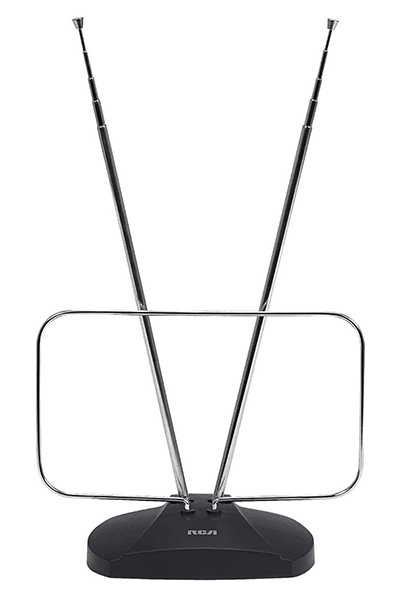
Dipole antennas are one of the most common indoor antennas. They have two metal rods that pick up TV signals. These antennas are simple and lightweight. They work best near broadcast towers. Dipole antennas often come with a built-in amplifier to boost weak signals. They are easy to mount on walls or windows.
Loop Antennas
Loop antennas have a circular or square shape. They capture signals using a loop of wire or metal. These antennas perform well indoors and reduce signal noise. Loop antennas are compact and can fit in small spaces. They can pick up signals from different directions. This makes them good for areas with multiple TV stations.
Flat Panel Antennas
Flat panel antennas are a popular choice for indoor TV reception. They have a slim, sleek look that fits well in modern homes. These antennas work well with digital signals and offer good picture quality. Their compact design makes them easy to place near your TV or on a wall.
Design And Features
Flat panel antennas are thin and lightweight. They often have a smooth surface without visible wires or bulky parts. Many models use advanced materials to capture signals efficiently. Some come with built-in amplifiers to boost weak signals. These antennas usually support both VHF and UHF frequencies. Their design allows them to blend with home decor easily.
Best Use Cases
Flat panel antennas are great for city dwellers. They work best in places with strong broadcast signals. Ideal for apartments or rooms with limited space. Perfect for users who want a neat, low-profile antenna. They can be placed on a shelf, mounted on a wall, or stuck to a window. These antennas suit viewers who watch local channels regularly.
Directional Antennas
Directional antennas focus on signals from one direction. They help capture TV signals clearly by pointing directly at the broadcast tower. These antennas reduce interference from other directions. They are ideal for areas with signals coming mostly from one side.
Yagi Antennas
Yagi antennas have a long, narrow shape with several rods. They collect signals well from a specific direction. This design makes them strong at picking up distant TV signals. They work best when aimed precisely at the signal source. Yagi antennas are popular for indoor use due to their high performance.
Log-periodic Antennas
Log-periodic antennas look similar to Yagi but cover a wider range of frequencies. They have multiple elements of different lengths arranged in a pattern. This design allows them to pick up many channels with good quality. They also focus signals from one direction but offer more flexibility. These antennas suit areas with many different broadcast signals nearby.
Amplified Antennas
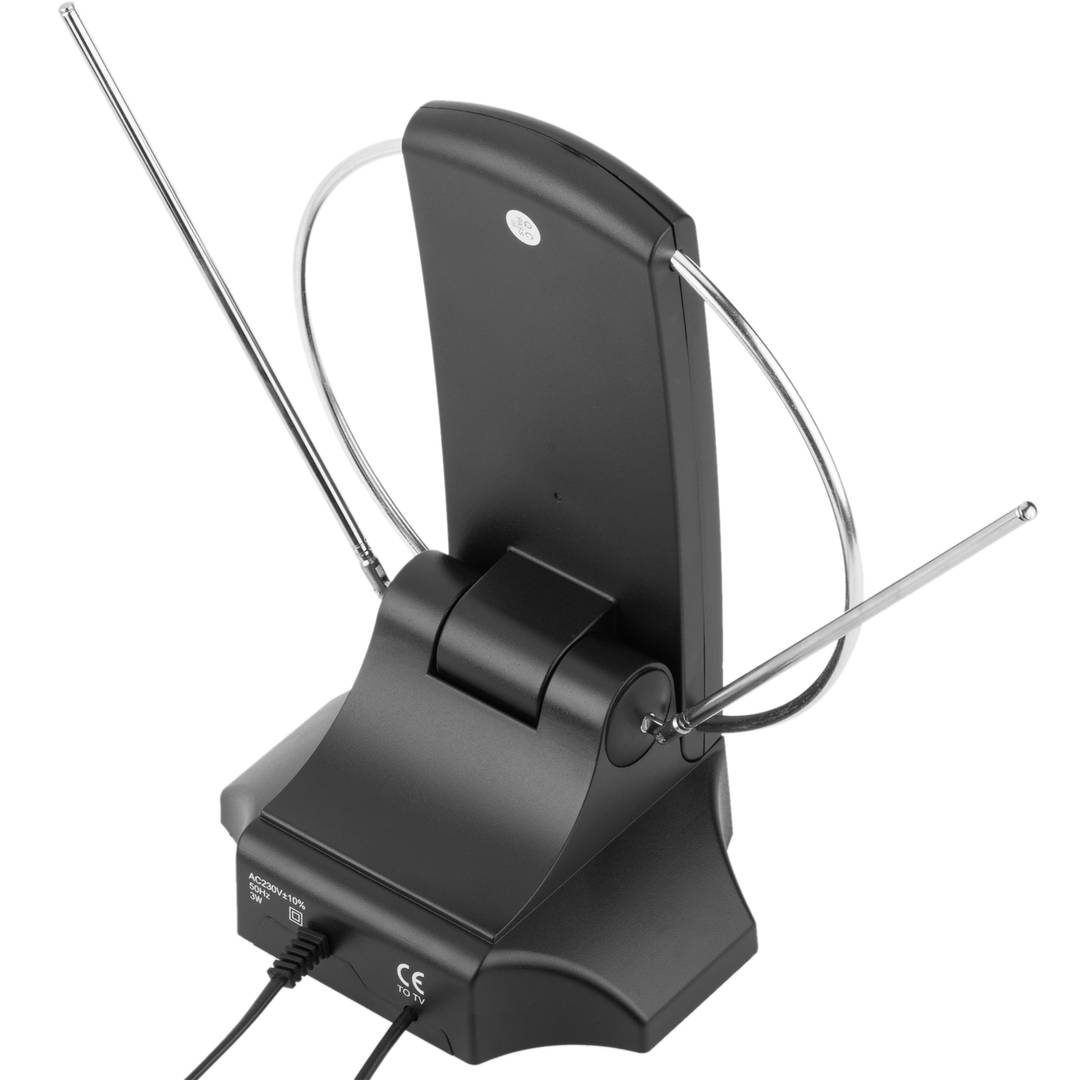
Amplified antennas help improve TV signal strength inside your home. These antennas have a built-in amplifier that boosts weak signals. This feature can make a big difference in areas with poor reception.
They are perfect for catching distant channels or signals blocked by walls. The amplifier increases the antenna’s ability to pick up signals, giving you clearer picture quality. Amplified antennas often require power, so they plug into an outlet or USB port.
Built-in Signal Boosters
Amplified antennas include a small signal booster inside. This booster raises the TV signal strength before it reaches the TV. It helps reduce static and improve channel reception.
The booster works best when the antenna is placed in a good spot. It can amplify signals that are weak or far away. This means you get more channels and better picture quality.
When To Use Amplifiers
Use amplified antennas if your signal is weak or far from the broadcast tower. They work well in homes with thick walls or many obstacles.
If you live in a city with strong signals, an amplifier may not be needed. Sometimes, an amplifier can cause too much noise and reduce signal quality.
Test your signal strength first. Choose an amplified antenna if you see many channels with poor quality or no signal at all.
Multidirectional Antennas
Multidirectional antennas capture signals from many directions. They work well in areas where broadcast towers are spread out. These antennas do not need to be pointed at a specific tower. They help reduce the need for constant adjustment. This makes them a popular choice for indoor TV setups.
Omnidirectional Types
Omnidirectional antennas are a type of multidirectional antenna. They receive signals equally from all directions. This means they can pick up channels from several towers at once. These antennas often have a circular or rounded shape. They usually fit easily in small indoor spaces.
Pros And Cons
One advantage is simple setup without aiming. They work well in urban areas with many signals. No need to move the antenna to get better reception. On the downside, they may pick up unwanted signals or noise. This can cause weaker picture quality sometimes. They also might have shorter range than directional antennas. Overall, they offer convenience with some trade-offs in performance.

Smart Indoor Antennas
Smart indoor antennas bring a new level of ease to TV watching. They use technology to improve signal strength and offer simple controls. These antennas help you find channels faster and work smoothly with modern devices. They fit well in homes where space is limited and convenience matters.
Automatic Tuning
Smart antennas scan for channels automatically. They adjust settings without needing manual input. This saves time and avoids frustration. The antenna finds the best signals and updates channels on its own. It works quietly in the background, keeping your TV ready to watch.
Integration With Streaming Devices
Many smart antennas connect easily with streaming devices. This lets you watch live TV and online shows on one screen. The integration creates a smooth user experience. You can switch between channels and apps without trouble. It brings traditional TV and internet content together.
Factors Influencing Antenna Choice
Choosing the right indoor TV antenna depends on several important factors. Each factor affects how well your antenna receives signals. Knowing these can help you pick the best antenna for your needs.
Location And Signal Strength
Your home’s location matters a lot. Some areas have strong TV signals. Others have weak signals. If you live near broadcast towers, a simple antenna can work well. Farther areas need antennas with better range. Obstacles like walls and trees can block signals. Check your local signal map before buying.
Tv Compatibility
Not all antennas work with every TV. Some TVs need digital antennas. Others accept both digital and analog signals. Check your TV’s input ports. Make sure the antenna you choose fits easily. Compatibility ensures better picture and sound quality.
Installation And Space
Space available for the antenna is key. Small rooms need compact antennas. Larger spaces can hold bigger models. Installation ease matters too. Some antennas stick to windows. Others sit on shelves or walls. Pick one that fits your space and is easy to install.
Frequently Asked Questions
What Are The Main Types Of Indoor Tv Antennas?
Indoor TV antennas include flat panel, loop, amplified, and rabbit ears. Each type suits different signal strengths and spaces. Choosing depends on your location and TV needs.
How Do Amplified Indoor Antennas Work?
Amplified antennas boost weak signals for better reception. They have a built-in amplifier powered by the TV or an outlet. This helps in areas with low signal strength.
Can Indoor Antennas Pick Up All Local Channels?
Indoor antennas can receive most local channels if placed well. Signal quality depends on distance and obstacles like walls or buildings. Positioning near a window often improves reception.
What Is The Difference Between Flat Panel And Loop Antennas?
Flat panel antennas are thin and modern-looking, good for digital signals. Loop antennas are circular and often better for weaker signals. Both types are easy to mount indoors.
Are Rabbit Ear Antennas Still Useful Today?
Yes, rabbit ear antennas work for VHF and some UHF channels. They are simple, adjustable, and affordable for basic TV needs. Best for areas with strong local signals.
Conclusion
Choosing the right indoor TV antenna can improve your viewing experience. Different types suit different needs and spaces. Small rooms may work best with compact antennas. Larger spaces might need more powerful models. Signal strength and direction matter a lot.
Easy installation saves time and effort. Remember, a good antenna helps you watch free TV clearly. Try to pick one that fits your home and budget. Enjoy better TV without extra costs. Simple, smart choices make watching TV more fun.