
Choosing a TV stand starts with matching your TV’s size, weight, and base width, then picking a stand that’s wide, sturdy, and the right height for comfortable viewing. Aim for a stand that’s a bit wider than your TV, supports the TV’s full weight, and places the center of the screen near seated eye level.
Make sure the top is deep enough for the TV feet, the shelves fit your devices, and there’s good cable management and ventilation for consoles. If you have kids or pets, choose a heavier stand and consider anti-tip straps.
Size Matters
Choosing the right size for your TV stand is key to a safe and comfortable setup. Size impacts stability, safety, and viewing comfort. The stand should fit your TV and your room perfectly. Consider width, depth, and height carefully for the best experience.
Width For Stability
The stand must be wider than your TV for balance. This prevents tipping or wobbling. Measure your TV’s width from side to side. Pick a stand that extends beyond the TV edges. A wider base keeps your TV secure and steady.
Depth For Safety
Depth helps keep the TV stable and prevents falls. The stand’s surface should be deep enough to hold the TV’s base fully. Also, consider space for cables and devices behind the TV. A shallow stand risks the TV sliding off or tipping forward.
Height For Comfort
Height affects your neck and eye comfort during viewing. Sit on your couch and measure your eye level from the floor. The ideal stand height positions the TV center at this eye level. This reduces strain and creates a natural viewing angle.

Credit: www.castlery.com
Measuring Your Space
Measuring your space accurately is the first step in choosing the perfect TV stand. It ensures the stand fits well and complements your room. Taking precise measurements helps avoid buying a stand that is too big or too small. Consider multiple factors like your TV size, viewing comfort, and room layout before making a decision.
Tv Dimensions Vs Stand Size
Measure your TV’s width, not just the diagonal screen size. The stand should be wider than your TV for better stability. This prevents the TV from tipping over or looking unbalanced. Also, check the depth of the stand to make sure it supports your TV’s base properly. Keep extra space for cables and accessories.
Eye-level Viewing Height
Measure the height from the floor to your eye level while sitting on your couch. This is where the center of your TV screen should be. Subtract half the TV’s height from your eye level to find the ideal stand height. This helps reduce neck strain and makes watching more comfortable.
Room Layout Considerations
Think about where your TV stand will go in the room. Leave enough space around it for easy movement and ventilation. Check for nearby power outlets and cable connections. Consider storage needs for devices like gaming consoles or DVD players. The stand should fit your room’s style and not block doorways or windows.
Storage Needs
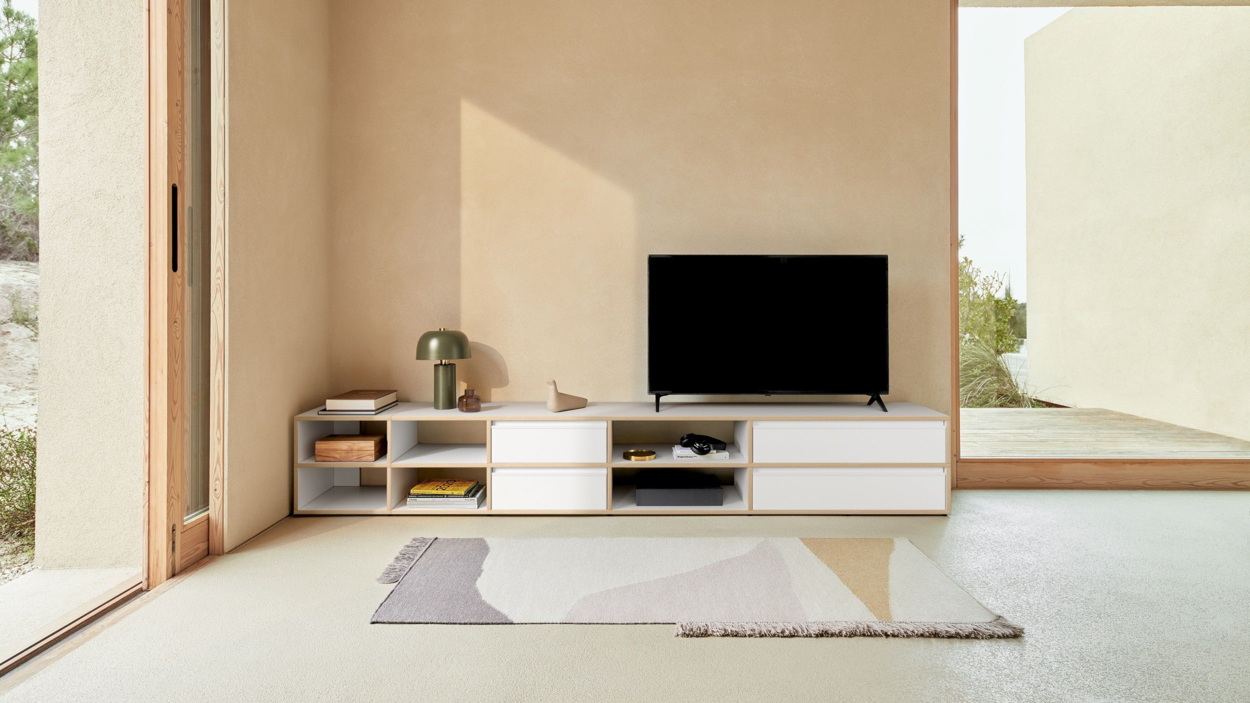
Storage needs play a big role in choosing the right TV stand. The stand should hold all your devices and items neatly. This helps keep your living room tidy and organized. Think about what you want to store before picking a stand. Different stands offer different storage options. Some have shelves, drawers, or cabinets. Consider how much space you need for your things. This section breaks down common storage needs for TV stands.
Media Players And Consoles
Media players and gaming consoles need easy access and ventilation. Choose a stand with open shelves or holes at the back. This lets air flow to stop devices from overheating. Make sure the shelves fit your devices’ size. Also, check if there is space for remote controls and accessories. A good stand keeps everything close but not crowded.
Books And Decorative Items
Books and decorations add style to your TV area. Look for stands with wide shelves or closed cabinets. These spaces protect items from dust and damage. You can arrange books neatly or show off your favorite decor. Some stands have adjustable shelves for different item sizes. This flexibility helps create a personalized look.
Cable Management
Cables can create a messy look without proper management. Many TV stands have built-in holes or slots for cables. These features keep wires hidden and untangled. Choose a stand with cable clips or channels for extra order. Good cable management improves safety and makes cleaning easier. It also keeps the focus on your TV and room design.
Credit: journal.tylko.com
Design And Style
The design and style of a TV stand play a crucial role in creating a balanced and inviting living space. Choosing a stand that fits well with your room’s look enhances the overall atmosphere. A good design not only supports your TV but also adds to your home’s personality. Consider elements like shape, lines, and details to ensure the stand complements your space.
Matching Room Decor
Pick a TV stand that fits your room’s style. A modern room pairs well with sleek, simple stands. Traditional spaces suit stands with classic, ornate features. Think about other furniture and decorations. The stand should blend in, not clash. Look for shapes and styles that echo your room’s vibe. This creates harmony and a cozy feel.
Material Choices
Materials affect both look and durability. Wood offers warmth and timeless appeal. Metal gives a modern, industrial edge. Glass adds lightness and a sleek touch. Choose a material that suits your lifestyle. For homes with kids, sturdy materials like wood or metal work best. Consider how the material feels and ages over time.
Color And Finish Options
Colors and finishes set the tone for your TV stand. Neutral shades like black, white, or gray fit most rooms. Bold colors can make the stand a focal point. Matte finishes hide fingerprints well. Glossy finishes reflect light and look bright. Match the finish to your room’s style. A good color and finish enhance your space’s charm.
Functionality Features
Choosing a TV stand is not just about style. Functionality plays a key role in making the right choice. A stand must support your TV and fit your lifestyle. Here are some important features to consider for maximum functionality.
Ventilation Space
Electronic devices need air to stay cool. A TV stand should have enough ventilation space. This prevents overheating and extends the life of your devices. Look for stands with open backs or vents. Proper airflow keeps your TV and gadgets safe.
Accessibility
Easy access to your devices matters. You want to reach cables, remotes, and ports without hassle. Choose a stand with open shelves or doors that open wide. Accessibility helps in connecting new devices and managing wires quickly. This saves time and reduces frustration.
Adjustable Shelves
Not all devices are the same size. Adjustable shelves let you customize space for game consoles, DVD players, or speakers. This feature adds flexibility as your needs change. It also keeps your setup neat and organized. Adjustable shelves make your TV stand practical and versatile.
Special Considerations
Choosing the right TV stand involves more than just size and style. Some special factors need attention to ensure your setup looks great and functions well. These details improve your viewing experience and keep your equipment safe.
Wall-mounted Tvs
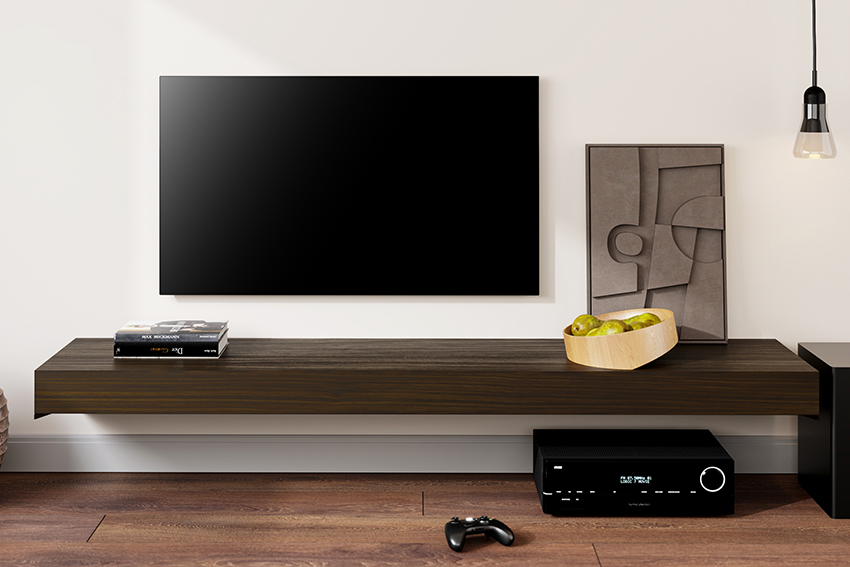
Wall-mounted TVs need a different approach than traditional setups. A TV stand may serve as extra storage or a base for other devices. Choose a stand that complements the wall mount without crowding the space. Keep cables organized to avoid clutter. Make sure the stand fits the room’s style and size.
Soundbar And Speaker Placement
Soundbars and speakers add to the audio quality of your TV. Your stand should have space for these devices. Look for stands with shelves or compartments to hold sound equipment safely. Position speakers to avoid blocking the screen. Proper placement enhances sound clarity and overall enjoyment.
Safety Tips For Stability
Stability is crucial for any TV stand. Pick a stand wider than your TV to prevent tipping. Check that the stand’s material is strong and durable. Secure the TV to the stand using brackets or straps for extra safety. Place the stand on a flat surface and avoid overloading it with heavy items. These steps protect your TV and everyone in the room.
Credit: magazine.mobilifiver.com
Conclusion
Choosing the right TV stand makes your room look neat and balanced. Pick a stand wider than your TV for stability. Match the stand’s height to your eye level when seated. Don’t forget to measure your TV’s actual width, not just the diagonal size.
Think about storage space for devices and books. A good TV stand keeps your space organized and comfortable. Take your time, and choose what fits your needs best. This way, your TV area will be both functional and stylish.