
TV antennas usually don’t work well inside a metal building because the metal acts like a shield and blocks over-the-air signals. You might pick up a few strong channels near windows or open doors, but reception is often weak or unstable. The best fix is mounting the antenna outside the building or on the roof, then running coax inside.
If outdoor mounting isn’t possible, placing the antenna near a window and using a quality coax cable may help, but results will vary.
How Metal Buildings Affect Tv Signals
Metal buildings have a big effect on TV signals. These structures can change how signals travel and reach your TV antenna. Understanding these effects helps you get better reception inside metal buildings.
Signal Blockage By Metal
Metal blocks TV signals from reaching the antenna. Signals travel as waves. Metal walls act like barriers that stop these waves. This blockage lowers signal strength. The weaker the signal, the worse your TV picture.
Thicker metal blocks more signal. Also, metal buildings without windows or openings cause more blockage. The antenna inside such buildings may struggle to catch signals. This leads to fewer channels and poor quality.
Reflection And Interference Issues
Metal surfaces reflect TV signals. These reflected waves can overlap with direct signals. The overlapping causes interference. Interference makes the picture flicker or freeze. Sometimes, it causes strange lines or static on the screen.
Reflected signals come from many directions. This confuses the antenna and reduces signal clarity. The result is a weak or unstable TV signal inside metal buildings.
Types Of Tv Antennas For Metal Structures
Metal buildings can block TV signals. Choosing the right antenna helps improve reception. Different antennas work better in metal structures. Understanding types of antennas is important.
Some antennas work indoors, others outside. Directional antennas focus on one signal. Omnidirectional antennas pick signals from all directions.
Indoor Vs Outdoor Antennas
Indoor antennas are small and easy to install inside. They avoid weather damage but can get weak signals in metal buildings. Metal walls block signals more inside.
Outdoor antennas are larger and placed outside. They catch stronger signals and avoid metal building interference. Installation may need extra effort but results are better.
Directional Vs Omnidirectional Antennas
Directional antennas point to a specific signal source. They give stronger signals from one direction. Good for metal buildings that block signals from other sides.
Omnidirectional antennas catch signals from all around. They work well if signals come from many directions. Signals may be weaker but coverage is wider.
Installation Tips For Metal Buildings
Installing a TV antenna on or near a metal building can be tricky. Metal walls and roofs block signals and reduce TV reception. You need smart steps to get the best signal. Proper installation helps you enjoy clear TV without interruptions.
Optimal Antenna Placement
Place the antenna as high as possible. The higher, the better the signal. Avoid placing the antenna inside the metal building. Metal blocks signals from outside stations. Try mounting the antenna on the roof or a tall pole near the building.
Face the antenna toward the nearest TV towers. Use an app or website to find tower directions. Clear line of sight helps the antenna catch signals. Keep the antenna away from large metal objects.
Using Signal Amplifiers And Boosters
Signal amplifiers help strengthen weak TV signals. Use them if the antenna receives weak signals due to metal interference. Choose a good quality amplifier to avoid extra noise.
Install the amplifier close to the antenna. This reduces signal loss before boosting. Avoid placing it inside the metal building where signals are weak. Test different spots for the best result.

Credit: www.amazon.com
Alternative Solutions For Tv Reception
Metal buildings can block TV signals, making antennas less effective. Many people face this problem and seek other ways to watch TV. There are good alternatives that offer reliable reception without signal loss.
These solutions work well inside metal structures. They provide clear TV shows, movies, and news. Exploring these options helps you enjoy your favorite programs without signal issues.
Cable And Satellite Options
Cable TV connects through wires and offers many channels. It works well inside metal buildings because it does not rely on antennas. The signal comes directly through cables, avoiding interference.
Satellite TV uses a dish to receive signals from space. It works even if the building blocks antenna signals. The dish can be placed outside where it gets a clear view of the sky.
Both cable and satellite provide a wide variety of channels. They offer good picture quality and reliable service inside metal buildings.
Streaming Services As Alternatives
Streaming services deliver TV shows and movies over the internet. They do not need antennas or satellite dishes. You can watch content on smart TVs, phones, or computers.
These services work well inside metal buildings since they rely on internet connections. A strong Wi-Fi or wired internet is important for smooth streaming.
Streaming platforms offer many channels, movies, and series. You can watch live TV or on-demand programs anytime.
Testing And Troubleshooting Reception
Testing and troubleshooting TV antenna reception under a metal building is important. Metal can block or weaken signals. Checking signal strength helps find the best antenna position. Fixing common issues improves your TV picture and sound.
Signal Strength Measurement
Use a signal meter or your TV’s signal info screen. Move the antenna slowly while watching the signal level. Higher numbers mean better reception. Try different spots near windows or corners. Metal walls often reduce signals, so find a clear path if possible.
Measure signal strength for each channel you want to watch. Some channels have weaker signals than others. Adjust the antenna until you get a steady, strong signal on most channels.
Common Problems And Fixes
Metal buildings cause signal reflection and blocking. This can cause weak or no signal. Try these fixes:
- Place antenna near a window or outside wall.
- Use an antenna amplifier to boost weak signals.
- Check all cable connections for tightness and damage.
- Try a different antenna type designed for indoor use.
- Reorient the antenna slowly to find the best direction.
Keep cables away from metal objects and electrical devices. These can cause interference. Test after each change to see if reception improves.
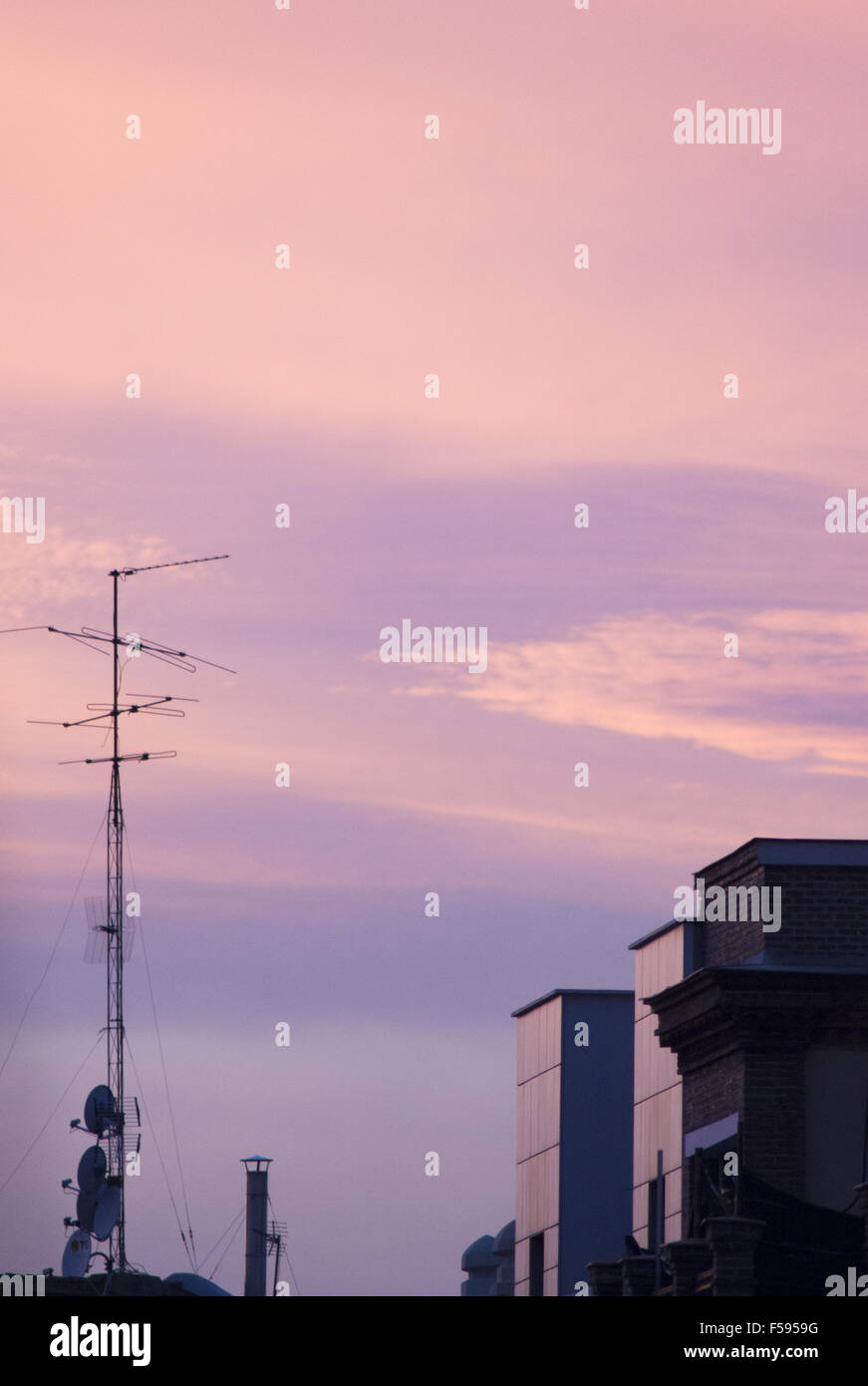
Credit: www.alamy.com

Credit: www.reddit.com
Conclusion
Metal buildings can block TV signals, making antennas less effective. Still, some antennas work better near metal than others. Positioning the antenna near windows or outside the building helps. Using a signal amplifier may improve reception inside metal structures. Testing different spots and antenna types is key to find the best signal.
Patience and small adjustments often bring better TV reception. Don’t give up if the first try fails. Clear TV signal under metal roofs is possible with the right setup.