
Are you struggling to choose the right TV antenna for your home? When it comes to boosting your TV signal, the choice between a 4 bay and an 8 bay antenna can make a big difference.
But which one is really worth your investment? You’ll discover the key differences, benefits, and what fits your specific needs best. By the end, you’ll feel confident about picking the perfect antenna to get crystal-clear channels and the best viewing experience.
Keep reading to find out which option suits your setup perfectly.
Bay Antennas Basics
Understanding bay antennas helps choose the right TV antenna for your needs. These antennas come in different sizes and designs. The number of bays affects how well they catch signals. Learning their basics will guide you to better TV reception.
This section explains what bay antennas are and what affects their performance. Clear knowledge avoids confusion and improves your viewing experience.
What Are Bay Antennas
Bay antennas are TV antennas with multiple elements called bays. Each bay is a set of rods that catch TV signals. More bays usually mean stronger signal reception. Common types are 4 bay and 8 bay antennas. The number of bays affects the antenna’s size and power.
These antennas are good for picking up signals from far away. They help reduce noise and improve picture quality. Bay antennas work best outdoors, mounted on rooftops or poles.
Signal Reception Factors
Signal strength depends on several things. Distance from the broadcast tower is very important. The farther you are, the weaker the signal gets. Obstacles like buildings, trees, and hills block signals. Weather can also affect signal quality.
The number of bays in an antenna changes how well it receives signals. More bays usually mean better gain and range. But bigger antennas are harder to install and take more space. Proper antenna placement matters a lot too. Higher placement often improves signal reception.

Credit: www.youtube.com
4 Bay Antenna Features
The 4 bay antenna is a popular choice for many TV users. It offers good performance for receiving digital signals. This type of antenna balances size and strength. It is smaller than an 8 bay but still captures strong signals. Understanding its features helps you decide if it fits your needs.
Below are key features of the 4 bay antenna. These focus on design, signal quality, and installation tips.
Design And Build
The 4 bay antenna has four elements arranged side by side. This design helps gather signals better than a single element. It is usually lightweight and compact. Materials used are weather-resistant for outdoor use. The build is simple but sturdy enough to last long. Its size fits well on rooftops or balconies.
Signal Range And Quality
The 4 bay antenna can receive signals from medium distances. It works well in urban and suburban areas. It picks up both UHF and VHF signals clearly. Signal quality is stable with less interference. This antenna is ideal for homes with moderate signal strength. It may not perform well in very remote locations.
Installation Tips
Mount the 4 bay antenna as high as possible. Clear line of sight to broadcast towers improves reception. Use a sturdy pole or bracket for stable mounting. Aim the antenna toward the strongest signal source. Avoid placing near metal objects that can block signals. Regularly check connections for corrosion or damage.
8 Bay Antenna Features
The 8 Bay antenna offers several strong features that set it apart from smaller models. It provides better signal capture and improved broadcast quality. This makes it ideal for users who want more channels and clearer reception.
Understanding these features helps in choosing the right antenna for your needs. The 8 Bay antenna is a solid choice for areas with weak signals or many obstacles.
Design And Build
The 8 Bay antenna has multiple elements arranged in a grid. This design increases the surface area to catch signals. It is usually made from durable materials like aluminum. These materials resist rust and weather damage. The antenna is often larger and heavier than 4 Bay models. This sturdy build helps it withstand strong winds and rain.
Signal Range And Quality
The 8 Bay antenna can reach signals from farther distances. It captures weak and distant signals better than smaller antennas. It also reduces noise and interference in broadcasts. This means clearer picture and sound quality. The wider range allows access to more local channels. Users in rural or suburban areas benefit the most.
Installation Tips
Mount the 8 Bay antenna as high as possible. A rooftop or tall pole works best. Point it towards the nearest broadcast towers for best reception. Use a sturdy bracket to hold the antenna firmly. Make sure all connections are tight and weatherproof. Check the signal strength after installation and adjust if needed. Following these steps improves performance and reliability.

Credit: www.nesselectronics.com
Signal Strength Comparison
Comparing signal strength is key when choosing between a 4 bay and an 8 bay TV antenna. The number of bays affects how well the antenna picks up signals. More bays usually mean better signal reception. This section breaks down their performance in different settings.
Performance In Urban Areas
Urban areas have many strong signals from nearby towers. A 4 bay antenna often works well here. It captures clear signals from multiple directions. The 8 bay antenna can also perform well but may be too sensitive. It might pick up extra noise along with the signal.
Performance In Rural Areas
Rural areas have weaker signals and fewer towers. An 8 bay antenna is better for these locations. It gathers signals from far away with higher gain. A 4 bay antenna might struggle to receive clear channels. More bays help pull in distant signals more effectively.
Impact Of Interference
Interference lowers signal quality for any antenna. The 8 bay antenna has a higher chance of picking up interference. Its stronger gain can amplify unwanted signals. The 4 bay antenna is less likely to catch interference. It offers a cleaner signal in noisy environments.
Cost And Value Analysis
Choosing between a 4 bay and an 8 bay TV antenna involves more than just size and signal strength. Cost and value play a big role in deciding which antenna fits your needs. This section breaks down the price differences and long-term benefits of both options. Understanding these factors helps make a smarter purchase.
Price Differences
4 bay antennas usually cost less than 8 bay models. They have fewer elements, which means simpler design and lower material costs. For budget-conscious buyers, a 4 bay antenna is a practical choice. On the other hand, 8 bay antennas come with a higher price tag. They have more parts and offer stronger signal reception. The initial cost is higher, but the extra investment might be worth it for some users.
Long-term Benefits
8 bay antennas often provide better signal quality over time. This can reduce the need for signal boosters or extra equipment. They also capture more channels, especially in areas with weak signals. This means fewer interruptions and better viewing experience. 4 bay antennas work well in strong signal areas. They are easier to install and maintain. Choosing the right antenna depends on your location and viewing habits. The long-term value comes from balancing cost with performance.
Choosing The Right Antenna
Choosing the right TV antenna can make a big difference in your viewing experience. Both 4 bay and 8 bay antennas have their strengths. Knowing which one suits your needs saves time and frustration. This section helps you decide based on key factors.
Based On Location
Your location affects antenna performance. In urban areas, signals are usually strong. A 4 bay antenna can capture most channels well. It is smaller and easier to install.
In rural or remote areas, signals tend to be weak. An 8 bay antenna offers better signal gain. It can pull in distant channels more clearly. The larger size helps catch more signals from far away.
Consider obstacles like hills or buildings nearby. More bays help overcome signal blockages. Choose an antenna that matches your signal strength and surroundings.
Based On Viewing Needs
Think about how many channels you want to watch. A 4 bay antenna suits casual viewers with fewer channels. It delivers good quality for local broadcasts.
For channel variety and HD content, an 8 bay antenna fits better. It supports multiple frequencies and higher signal quality. This choice benefits sports fans and movie watchers.
Also, consider your TV and receiver. Some devices work better with stronger signals. Match your antenna to your viewing habits for best results.
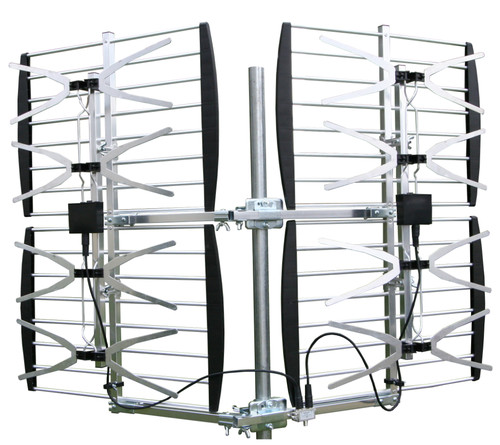
Credit: www.solidsignal.com
Conclusion
Choosing between a 4 bay and 8 bay TV antenna depends on your needs. A 4 bay antenna is smaller and easier to install. An 8 bay antenna offers better signal strength and range. Think about your location and signal quality before buying.
Remember, bigger is not always better for every home. Both options can deliver clear TV signals. Choose the one that fits your space and budget best. This way, you enjoy good TV without extra hassle.