
Are you tired of missing your favorite TV shows or struggling with poor signal quality? Understanding the types of TV tuners can change the way you watch television.
Whether you want to capture live broadcasts, record shows, or stream content seamlessly, the right TV tuner makes all the difference. You’ll discover the different kinds of TV tuners available and how each one can enhance your viewing experience. Keep reading to find out which tuner fits your needs perfectly and unlock a new level of TV enjoyment.
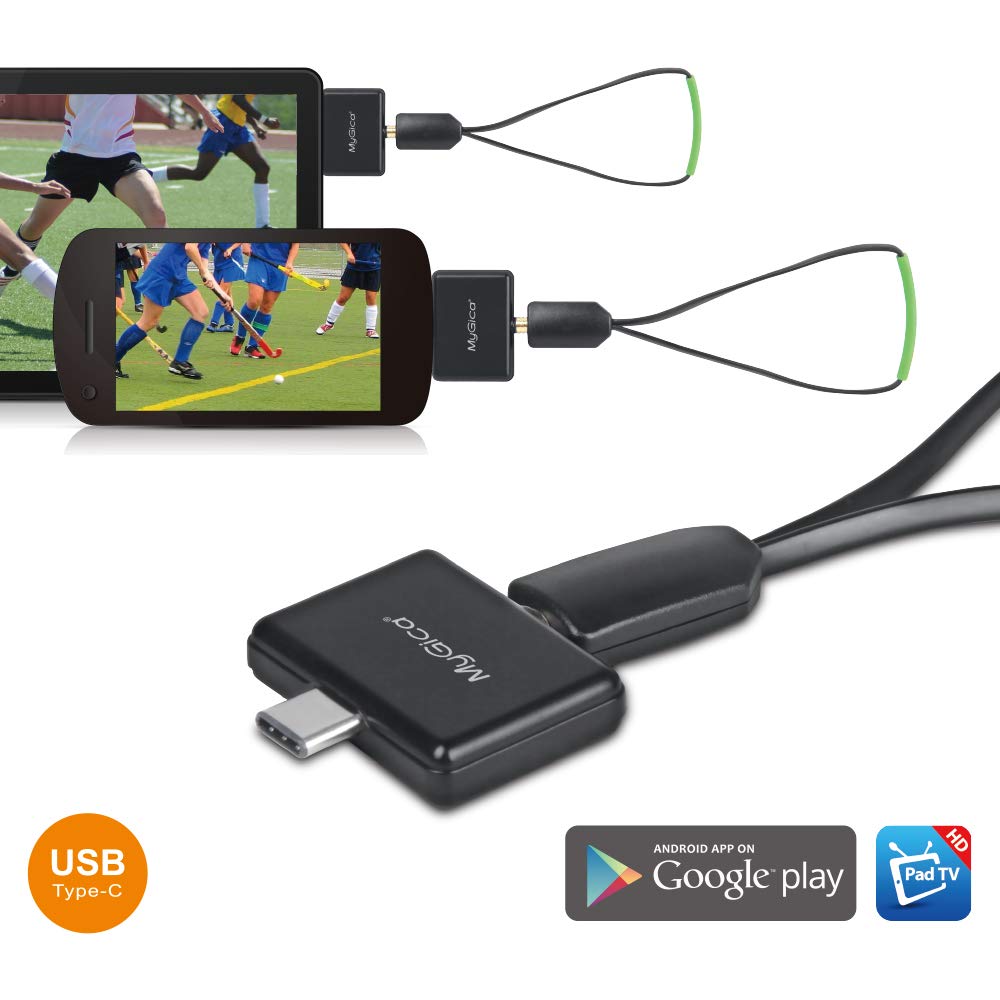
Analog Tv Tuners
Analog TV tuners are devices that receive and decode traditional television signals. These signals come in an older format, often broadcast over the air or through cable. Analog tuners were the standard before digital TV became popular. They still work for many older TVs and some specialized uses.
How Analog Tuners Work
Analog tuners pick up radio waves carrying TV signals. They filter and select one channel at a time. The tuner converts the signal into video and audio. This process happens in real time. The signal quality depends on the broadcast strength and antenna.
Common Uses
Many older TVs use analog tuners. They also appear in some video capture devices. People use them to watch local channels without cable. Analog tuners help record shows on VHS or DVD players. They remain useful in areas with limited digital coverage.
Advantages And Limitations
Analog tuners are simple and cost less. They work well with older equipment. No internet or digital setup is needed. The downside is lower picture and sound quality. Analog signals can have static and noise. They do not support high-definition broadcasts. Digital tuners have mostly replaced analog ones now.
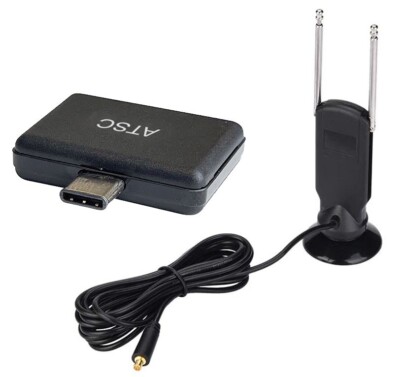
Digital Tv Tuners
Digital TV tuners receive and decode digital television signals. These tuners allow viewers to watch high-quality digital broadcasts. They replaced older analog tuners as TV technology advanced. Digital tuners work with modern broadcasting standards and offer clear pictures and sound.
Dvb-t And Atsc Standards
DVB-T is a common digital TV standard in Europe and many countries. It uses a specific signal format for over-the-air broadcasts. ATSC is the standard used mainly in North America and South Korea. Both standards deliver digital signals but have different technical setups. TVs and tuners must support the right standard to display channels correctly.
Features Of Digital Tuners
Digital tuners support multiple channels on one frequency. They provide electronic program guides for easy navigation. Many tuners include recording functions for watching later. They offer better signal stability and reduce interference. Some models support high-definition (HD) and even ultra-high-definition (UHD) formats.
Benefits Over Analog
Digital tuners deliver clearer picture and sound quality. They use bandwidth more efficiently than analog tuners. This allows more channels to broadcast in the same space. Digital signals are less prone to noise and distortion. They also support interactive services and additional data like subtitles and multiple audio tracks.
Usb Tv Tuners
USB TV tuners are small devices that connect to your computer through a USB port. They let you watch and record live TV on your laptop or desktop. These tuners are popular for their ease of use and portability. Many people use them to turn their computers into TV sets without extra cables or boxes.
Portability And Convenience
USB TV tuners are compact and lightweight. You can carry them in your pocket or bag. They are perfect for travelers or students. No need for a bulky setup. Just plug the tuner into your computer and start watching TV. This convenience makes them ideal for use anywhere.
Compatibility
Most USB TV tuners work with Windows and Mac computers. Some even support Linux. They connect easily via USB ports. Many come with software to help you watch and record shows. Check the tuner’s specs to match your computer’s operating system. Compatibility ensures smooth performance and better user experience.
Popular Models
Some popular USB TV tuners include the Hauppauge WinTV-dualHD, AVerMedia Volar Hybrid Q, and the Elgato EyeTV Hybrid. These models offer good signal reception and easy installation. They support both analog and digital TV signals. Many users prefer these brands for their reliability and features.
Pci And Pcie Tv Tuners
PCI and PCIe TV tuners are hardware devices designed for desktop computers. They allow desktops to receive and decode television signals. These tuners fit into the motherboard slots called PCI or PCI Express (PCIe). PCIe is a newer, faster version of PCI. Both types let you watch live TV, record shows, and sometimes stream content.
Installation In Desktops
Installing PCI or PCIe TV tuners is straightforward. Open the desktop case and locate the correct slot. Remove the slot cover on the back of the case. Insert the tuner card firmly into the slot. Screw the card to the case for stability. Close the case and connect the TV antenna to the tuner. Finally, install the necessary drivers and software on your computer.
Performance And Capabilities
PCIe tuners offer faster data transfer than PCI cards. This means smoother video and quicker channel changes. Both types support standard TV formats like DVB, ATSC, or QAM. Many tuners include hardware encoding to reduce CPU load. Some models support multiple channels at once. Quality depends on the card and the software used.
Who Should Use Them
These tuners suit users with desktop computers. They work well for TV fans who want a dedicated device inside their PC. Ideal for people who record TV shows regularly. Also good for users needing multiple tuners for different channels. Not recommended for laptop users or those wanting portable solutions.
External Tv Tuners
External TV tuners are devices that connect to your computer or other screens. They let you watch live TV without needing a built-in tuner. These tuners are easy to use and portable. You can carry them anywhere and use them with different devices.
They are popular for people who want to watch TV on laptops or desktops. Also, they work well for those who want to record shows or watch on multiple devices. Understanding their connection types and uses helps pick the right one.
Connection Types
Most external TV tuners connect via USB ports. USB is common and works with many devices. Some use HDMI to send high-quality video signals. A few models support Wi-Fi for wireless connection. The choice depends on your device and needs.
Use Cases
External tuners are great for watching live TV on computers. They help record TV shows for later viewing. People use them for sports, news, and entertainment. They also fit well for travelers who want TV on the go.
Pros And Cons
Pros: Easy to install and use. Portable and works with many devices. Often cheaper than built-in tuners.
Cons: Can need drivers or software to work. USB connection may limit video quality. Some models need external power.

Mobile Tv Tuners
Mobile TV tuners let you watch live TV on the go. These devices connect to your smartphone or tablet. They bring TV channels directly to your handheld devices. Perfect for travel, commuting, or waiting times.
Designed For Smartphones And Tablets
Mobile TV tuners are small and lightweight. They fit easily with your mobile gadgets. Some plug into the charging port. Others connect through Wi-Fi or Bluetooth. They work with both Android and iOS devices. The design focuses on portability and ease of use.
Streaming Features
Many mobile tuners offer live streaming. They let you watch TV without using mobile data. Some apps allow recording shows to watch later. You can pause or rewind live TV. Certain models support multiple devices at once. Streaming quality depends on the tuner and signal strength.
Limitations
Mobile TV tuners need a strong signal. Poor reception affects picture and sound quality. They may not support all TV channels. Battery life can limit watching time. Some tuners require specific apps or software. Not all models work worldwide due to signal differences.
Hybrid Tv Tuners
Hybrid TV tuners are devices that support both analog and digital TV signals. They offer a bridge between old and new broadcasting systems. These tuners allow users to watch and record a variety of channels with one device. Hybrid tuners provide a flexible solution for different TV setups.
Combining Analog And Digital
Hybrid TV tuners can receive analog signals and digital signals. Analog signals are the older format used by many TV stations. Digital signals provide better picture and sound quality. By combining both, hybrid tuners ensure access to all available channels. This feature helps users transition smoothly from analog to digital TV.
Flexibility
Hybrid tuners work with different types of broadcast signals. They support cable, satellite, and over-the-air TV. Users can switch between analog and digital modes easily. This flexibility makes hybrid tuners useful in areas with mixed broadcasting standards. They also work well with various TV models and systems.
Popular Applications
Hybrid TV tuners are popular in homes and offices. They are used for watching live TV and recording shows. Some users prefer hybrid tuners for older TVs without built-in digital support. They are also common in media centers and personal computers. These tuners help save money by avoiding the need for multiple devices.
Frequently Asked Questions
What Are The Main Types Of Tv Tuners Available?
TV tuners mainly include USB, PCI, and external tuners. Each type connects differently to your device. They help receive and decode TV signals for viewing.
How Does A Usb Tv Tuner Work?
A USB TV tuner plugs into your computer’s USB port. It captures TV signals and lets you watch live TV. It is portable and easy to use.
What Is The Difference Between Internal And External Tv Tuners?
Internal tuners fit inside your computer or TV. External tuners connect through USB or HDMI ports. External tuners are more flexible and easier to move.
Can Tv Tuners Receive Digital And Analog Signals?
Some TV tuners support both digital and analog signals. Others only work with digital signals. Make sure to check the tuner’s compatibility before buying.
Do Tv Tuners Require Special Software To Function?
Most TV tuners need specific software to work properly. This software helps decode and display TV channels. Often, it comes bundled with the tuner device.
Conclusion
Choosing the right TV tuner depends on your needs and device type. Some tuners work well with computers, while others suit TVs better. Digital tuners offer clearer pictures and more channels. Analog tuners still help with older signals. Knowing these types makes picking easier and smarter.
Enjoy better TV watching by understanding your options. Simple steps lead to better viewing experiences. Keep this guide handy when selecting your next TV tuner.