
When you’re ready to upgrade your entertainment setup, the type of TV screen you choose can make all the difference. You might wonder which screen will give you the best picture, the brightest colors, or the most energy savings.
Understanding the different types of TV screens can help you pick the perfect match for your needs and budget. Keep reading to discover how each screen works and which one will bring your favorite shows and movies to life like never before.
Your next great viewing experience starts here!
Lcd Screens
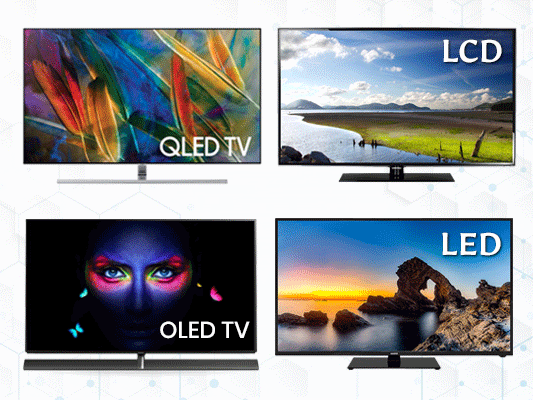
LCD screens are one of the most common types of TV screens today. They use a technology that makes images bright and clear. Many homes have LCD TVs because they offer good picture quality and are affordable. These screens are thin and light, making them easy to place anywhere.
How Lcd Works
LCD stands for Liquid Crystal Display. Inside the screen, tiny liquid crystals move to block or let light pass through. A backlight shines behind the crystals to create the picture. By controlling the crystals, the TV shows different colors and shapes. This process helps produce sharp images with good brightness.
Pros And Cons
LCD screens use less energy than older TV types. They do not get very hot. The screens are thin and easy to hang on walls. LCD TVs work well in bright rooms because they handle light well. On the downside, LCD screens can have lower contrast. Dark scenes might look a bit gray. Some models may show motion blur during fast action.
Best Uses
LCD TVs are great for everyday watching. They work well for sports and TV shows. Families like them for their size options and price. Bright rooms benefit from LCD screens because images stay clear. These TVs also suit gaming and streaming movies. They provide a good balance of quality and cost.

Led Screens
LED screens are popular in many homes and offices today. They use light-emitting diodes to create bright and clear images. These screens offer good color and sharp details. Many users like LED TVs because they are slim and fit well in any room.
Backlighting Technology
LED screens use tiny lights behind the display. These lights shine through the screen to make images visible. The backlighting can be either edge-lit or full-array. Edge-lit LEDs place lights along the edges. Full-array LEDs have lights spread evenly behind the screen. This helps show better contrast and deeper blacks.
Energy Efficiency
LED screens use less power than older TV types. This saves electricity and lowers bills. They run cooler, which means longer life for the TV. Many LED models have energy-saving modes. These modes adjust brightness to reduce power use. Energy efficiency is a big reason people choose LED screens.
Picture Quality
LED screens display bright colors and sharp images. They handle fast-moving scenes smoothly. The contrast ratio is usually high, making dark scenes clear. Many models support high definition and 4K resolution. This gives a detailed and lifelike picture. LED technology keeps improving picture quality every year.
Oled Screens
OLED screens are a popular choice for modern TVs. They offer clear images and deep black levels. Unlike traditional screens, OLEDs use a unique technology that changes the viewing experience. Many people prefer them for their vibrant colors and sharp contrast. Understanding how OLED screens work helps you see their benefits clearly.
Self-emissive Pixels
Each pixel in an OLED screen lights up on its own. It means no need for backlight like in LED TVs. This feature allows perfect black colors. When a pixel is off, it is completely dark. The result is sharp images and better picture quality.
Color And Contrast
OLED screens show bright and rich colors. They can display millions of colors with ease. The contrast is very high because blacks are true black. This contrast makes images look more real and detailed. Watching movies and shows feels more immersive.
Durability Factors
OLED screens last a long time with proper care. They can be sensitive to screen burn or image retention. This happens if the same image stays too long on screen. Most new OLED TVs have features to reduce this risk. Handling the screen gently helps maintain its quality.
Qled Screens
QLED screens offer a modern twist on traditional LED TVs. They use special technology to create bright, colorful images. Many users find QLED TVs great for watching movies and sports. The picture quality stands out, especially in bright rooms. Let’s explore what makes QLED screens unique.
Quantum Dot Technology
QLED screens use tiny particles called quantum dots. These dots glow when hit by light. They produce bright and accurate colors on the screen. This technology helps QLED TVs show more colors than normal LED screens. The result is a clear and vivid picture.
Brightness Levels
QLED TVs are known for very high brightness. They can get much brighter than OLED screens. This makes them perfect for rooms with a lot of sunlight. Bright scenes look sharp and easy to see. The high brightness also improves HDR (High Dynamic Range) content.
Comparison With Oled
QLED and OLED are two popular TV screen types. OLED screens have perfect black levels because each pixel lights up separately. QLED screens use a backlight, so blacks are less deep. But QLEDs have higher brightness and last longer. OLEDs offer better contrast and viewing angles. Your choice depends on what matters most to you.
Plasma Screens
Plasma screens were once popular choices for large TVs. They offered bright and clear images. These screens use a unique technology different from LCD or LED screens. Plasma TVs were favored for their deep blacks and smooth motion. Many people enjoyed watching movies and sports on them.
Plasma Cell Function
Plasma screens have tiny cells filled with gas. When electricity passes through, the gas turns into plasma. This plasma emits ultraviolet light. The light then hits colored phosphor dots inside each cell. This process creates the colors you see on the screen. Each cell acts like a tiny light bulb. Together, millions of these cells form the full picture.
Image Quality
Plasma TVs produce bright and vivid colors. They show deep black levels better than many other screens. The picture looks smooth, especially during fast action scenes. These screens have wide viewing angles. This means the image stays clear from different positions. Colors remain accurate even when viewed from the side.
Reasons For Decline
Plasma screens use more power than modern TVs. They also tend to be heavier and thicker. Newer LED and OLED screens offer better energy efficiency. These newer screens are lighter and slimmer. Plasma TVs can suffer from screen burn-in over time. This made many buyers prefer other types. Production of plasma screens stopped due to lower demand.
Microled Screens
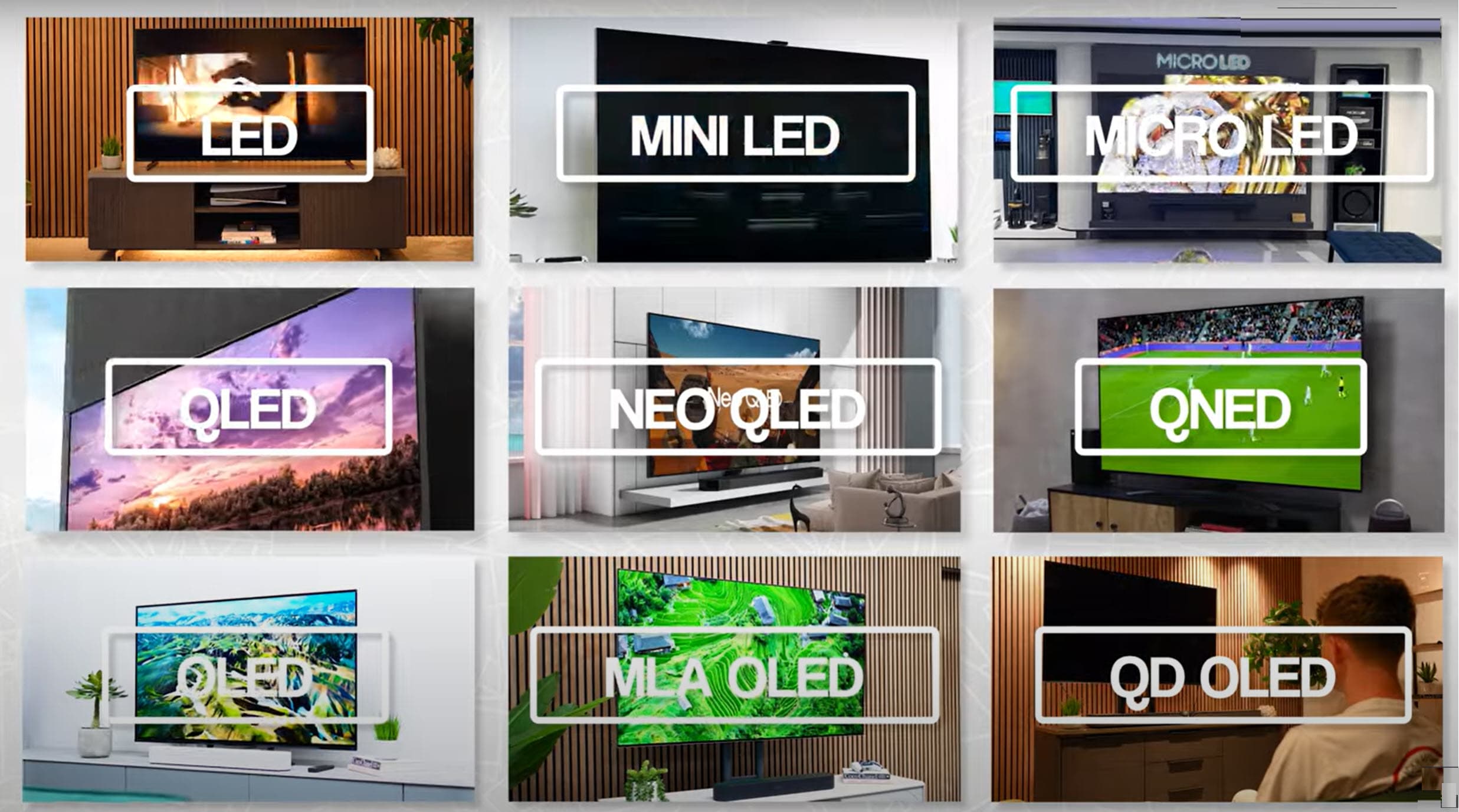
MicroLED screens are a new type of display technology that uses tiny light-emitting diodes. Each diode is a separate pixel that produces its own light. This design allows MicroLED screens to offer sharp images and vibrant colors. They do not need a backlight like LCDs. This makes the screens thinner and more energy-efficient.
MicroLED technology is still developing but shows great promise for TVs. It can deliver high brightness and deep blacks. The screens are also very durable and can last longer than other types. These qualities make MicroLED a strong option for future TVs.
Microled Advantages
MicroLED screens provide bright and clear images in any light. They have excellent color accuracy and contrast. The screens use less power than LCD and OLED. They do not suffer from burn-in problems like OLED. MicroLED displays are very thin and lightweight. They also have a longer lifespan than most other screens.
Current Market Status
MicroLED TVs are still rare and expensive. Only a few brands offer these screens today. Production is complex, causing higher costs. Most MicroLED TVs are large and designed for luxury markets. Smaller versions for regular consumers are in progress. The technology is not yet common in homes.
Future Potential
MicroLED could become mainstream in the next years. Costs may drop as production improves. The technology suits many uses beyond TVs, such as smartphones and wearables. MicroLED can support flexible and transparent displays. It promises better picture quality and energy savings. The future of MicroLED looks bright for many devices.
Factors To Consider
Choosing the right TV screen depends on several important factors. These factors help you find the best screen that fits your needs. Consider your room, budget, and how you will use the TV. Each factor affects your viewing experience and satisfaction.
Viewing Environment
Think about the lighting in your room. Bright rooms need screens with higher brightness and less glare. Dark rooms work well with screens that have deep blacks and good contrast. The size of the room also matters. Bigger rooms often need larger screens for a better view.
Budget Constraints
Set a clear budget before shopping. TV screens come in many price ranges. More expensive screens usually offer better picture quality and features. Choose a screen that fits your budget but still meets your main needs. Avoid spending too much on features you won’t use.
Usage Requirements
Consider how you will use the TV. For watching movies, screens with rich colors and high contrast work best. For sports, look for screens with fast refresh rates. For gaming, low input lag is important. Match the screen type to your favorite activities.
Frequently Asked Questions
What Are The Main Types Of Tv Screens Available?
The main TV screen types are LED, OLED, QLED, and LCD. Each offers different picture quality and price points. Knowing these helps you choose the right TV for your needs.
How Does Oled Differ From Led Tv Screens?
OLED TVs use organic light to create deep blacks and vivid colors. LED TVs use backlights, which can affect contrast and viewing angles. OLED generally offers better picture quality but costs more.
What Makes Qled Tvs Unique Compared To Others?
QLED TVs use quantum dots to enhance brightness and color accuracy. They perform well in bright rooms and have longer lifespans than OLEDs. This technology improves picture sharpness and color vibrancy.
Are Lcd Tvs Still Popular In Today’s Market?
LCD TVs remain popular due to their affordability and wide availability. They use liquid crystals and backlighting to display images. Though less vibrant than OLED or QLED, they suit budget-conscious buyers.
Which Tv Screen Type Is Best For Gaming And Fast Action?
OLED and QLED TVs are excellent for fast action and gaming. They offer low input lag and fast response times. This reduces blur and improves overall gaming experience.
Conclusion
Choosing the right TV screen depends on your needs and budget. LED, OLED, and QLED each offer unique benefits. Some screens have better colors, while others save energy. Think about where you will place the TV and how you will use it.
This helps you pick the best option easily. Knowing the types of TV screens makes shopping simple. Enjoy clear pictures and good value with the right choice. Your perfect TV is waiting.