
Have you ever stopped to think about the remote control in your hand? It’s more than just a tool to change channels.
Different types of TV remotes can completely change how you enjoy your favorite shows. Whether you want simplicity, advanced features, or something that connects to all your devices, there’s a remote designed just for you. Keep reading to discover which type fits your needs perfectly and makes your TV experience smoother than ever.
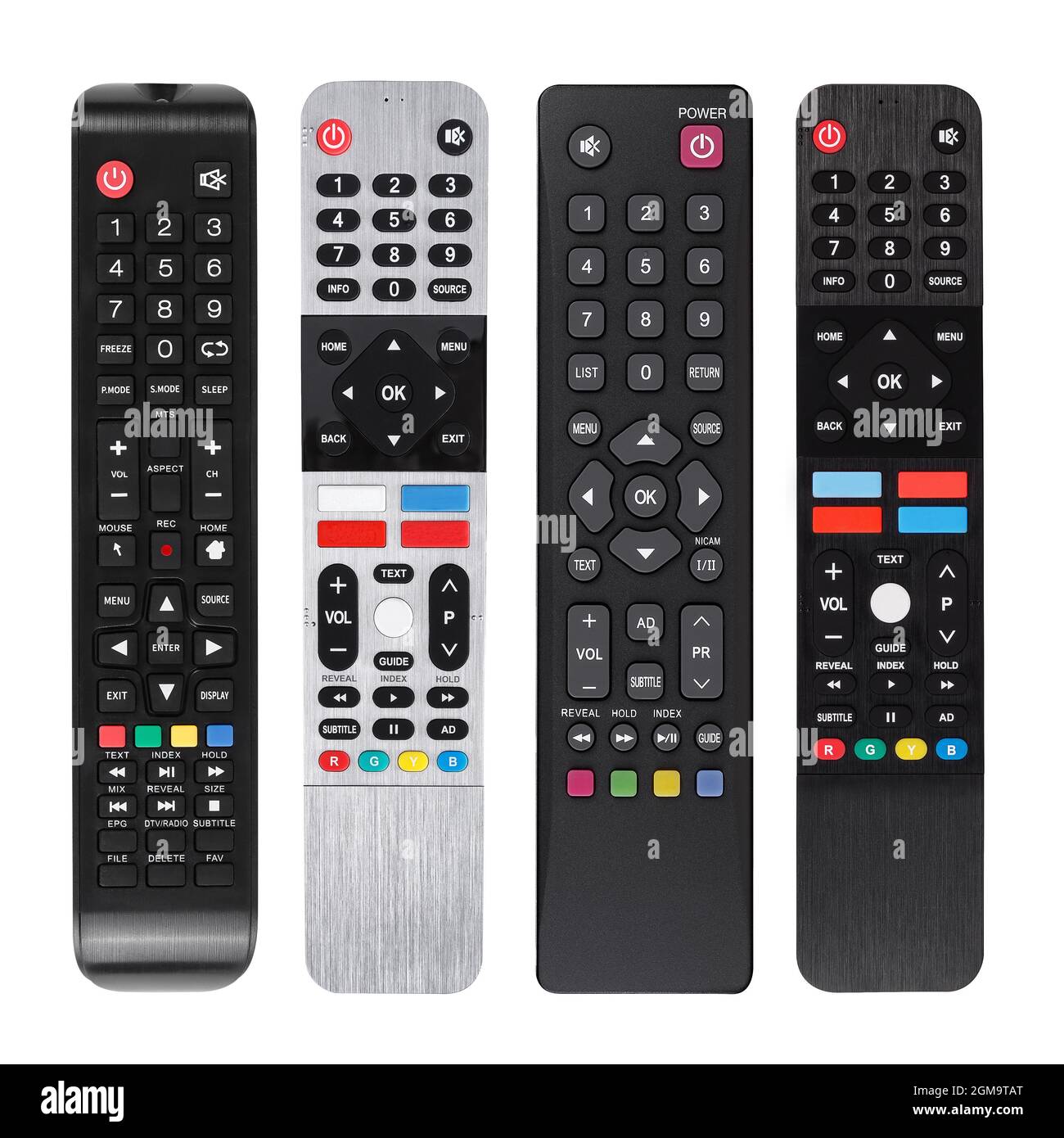
Infrared Remotes
Infrared remotes are the most common type of TV remote control. They have been around for decades and remain widely used. These remotes send signals using invisible light waves to communicate with the TV. Simple and effective, they work well in many homes worldwide.
How Infrared Works
Infrared remotes use infrared light to send commands. When you press a button, the remote sends a light signal. The TV’s sensor detects this light and reacts accordingly. The signal travels in a straight line, so the remote must point at the TV. Walls or objects can block the signal and stop it from working.
Advantages And Limitations
Infrared remotes are easy to use and cheap to make. They do not need pairing or special setup. Many devices support infrared technology, making these remotes very compatible. The main limit is the need for a clear path. If the sensor is covered or too far away, the remote will fail. Also, infrared signals cannot pass through walls.
Common Uses
Infrared remotes are used for TVs, DVD players, and sound systems. Many set-top boxes and older devices rely on them. They are perfect for simple control without complex features. Users who want basic functions often choose infrared remotes. This type remains popular despite newer options like Bluetooth.

Radio Frequency Remotes
Radio Frequency (RF) remotes offer a unique way to control your TV without needing a direct line of sight. Unlike traditional infrared remotes, RF remotes send signals through radio waves. This allows for more flexible and convenient use.
RF remotes work through wireless communication. They can send commands even through walls or furniture. This makes them ideal for larger rooms or setups where the TV is hidden.
Technology Behind Rf
RF remotes use radio waves to communicate with the TV or device. These waves travel easily through obstacles. The remote contains a small transmitter that sends signals. The TV has a receiver to catch these signals. This technology does not require direct visibility between the remote and device.
Range And Connectivity
RF remotes can work over longer distances than infrared remotes. Their range often reaches 30 feet or more. They maintain strong connections through walls and other objects. This helps users control devices from different rooms. The remote pairs with the device using specific frequencies to avoid interference.
Popular Applications
Many smart TVs and set-top boxes use RF remotes. They are common in home theater systems and gaming consoles. RF remotes also appear in devices where the receiver is hidden inside cabinets. This makes the setup cleaner and easier to manage. They suit users who want hassle-free control without aiming the remote.
Bluetooth Remotes
Bluetooth remotes offer a modern way to control your TV without direct line of sight. These remotes connect wirelessly using Bluetooth technology. This allows you to operate your TV from different angles or even from another room. Many smart TVs now come with Bluetooth remotes as a standard accessory.
Bluetooth Connectivity
Bluetooth remotes use radio waves to connect with your TV. Unlike infrared remotes, they do not need to point directly at the TV. The connection range is usually up to 30 feet. This gives more freedom to move around while controlling your device.
Pairing And Compatibility
Pairing a Bluetooth remote is simple and fast. You usually press a button on the remote and select the device on your TV. Most modern smart TVs support Bluetooth remotes. Some universal remotes also use Bluetooth to connect with multiple devices.
Benefits Over Other Types
Bluetooth remotes offer better range and flexibility than infrared remotes. They do not require a clear path to the TV sensor. These remotes can work through walls or furniture. Bluetooth remotes often include extra features like voice control and motion sensors. This makes navigation easier and more interactive.
Wi-fi Enabled Remotes
Wi-Fi enabled remotes offer a modern way to control your TV. These remotes connect through your home Wi-Fi network, not just infrared signals. This connection allows for more features and better control over your smart devices. They work well with smart TVs and other home gadgets.
Smart Remote Features
Wi-Fi remotes come with extra smart features. Voice control lets you speak commands instead of pressing buttons. Some remotes have touchpads for easy navigation. You can also program them to control multiple devices with one remote. These features make TV watching easier and more fun.
Integration With Smart Tvs
These remotes sync directly with smart TVs. They can access streaming apps and settings quickly. Using Wi-Fi, they communicate smoothly without lag. You can switch channels, adjust volume, and open apps fast. This integration gives a seamless TV experience.
Remote Control Apps
Many Wi-Fi remotes have companion apps for smartphones. These apps let you control your TV from your phone. They often include a keyboard for easier typing. Some apps show what you watch and suggest shows. This adds convenience and more ways to enjoy your TV.
Voice Control Remotes
Voice control remotes bring a new level of ease to using your TV. They let you speak commands instead of pressing buttons. This makes finding shows or adjusting settings quick and simple. Voice remotes work with smart TVs and streaming devices, helping you control everything with your voice.
Voice Recognition Technology
Voice control remotes use voice recognition to understand spoken words. They have built-in microphones that capture your voice clearly. The remote sends your speech to the TV or a cloud service for processing. This technology learns to recognize your accent and speech patterns. It improves over time, making commands more accurate.
Supported Commands
These remotes accept many commands for TV control. You can change channels, adjust volume, or open apps by voice. Search for movies, shows, or actors without typing. Some remotes even control smart home devices. Commands are simple and short, like “Play comedy movie” or “Turn up volume.”
User Experience
Using voice control remotes feels natural and fast. They reduce the need to find small buttons in the dark. People with limited mobility find them helpful. The remote listens and responds quickly to commands. It makes watching TV more enjoyable and less frustrating.

Universal Remotes
Universal remotes simplify your entertainment setup by controlling many devices with one tool. They replace multiple remotes, reducing clutter and confusion. These remotes work with TVs, DVD players, sound systems, and more. Their ability to handle different brands and gadgets makes them very practical.
Multi-device Control
Universal remotes manage several devices at once. You can switch from TV to stereo without changing remotes. This feature saves time and keeps everything in one place. Some models support smart home devices too. They allow you to control lights or speakers alongside your TV.
Programming Methods
Programming universal remotes is easy. Many use codes from a manual or online database. Some remotes connect to your smartphone for quick setup. Others have auto-search functions that find the right code automatically. This flexibility makes it simple for anyone to set up their remote.
Best Universal Remotes
The best universal remotes offer wide device compatibility and easy use. Look for remotes with clear buttons and strong signals. Some popular models include Logitech Harmony and GE universal remotes. These provide reliable performance for most home entertainment systems.
Touchscreen Remotes
Touchscreen remotes offer a modern way to control your TV and other devices. These remotes replace traditional buttons with a smooth screen. This screen responds to your touch, making navigation easy and fast.
Touchscreen remotes often combine several devices into one. You can switch between TV, sound system, and streaming boxes with simple taps. They bring a sleek look and feel to your entertainment setup.
Interface And Design
Most touchscreen remotes feature a bright, colorful display. The interface shows icons and menus clearly. You can scroll, swipe, and tap to find what you need. The design is usually slim and lightweight for easy handling.
Some remotes use haptic feedback. This means the screen gives a slight vibration when you press a button area. It helps confirm your actions without physical buttons.
Customization Options
You can customize many touchscreen remotes. Change the layout, button size, and color themes. Set shortcuts for your favorite channels or apps. Some models allow adding or removing functions.
Customization makes the remote personal and simpler to use. You can create a setup that fits your habits and needs perfectly.
Pros And Cons
Touchscreen remotes look great and offer many features. They reduce the need for multiple remotes. Easy to update and add new functions via software.
On the downside, touchscreen remotes may cost more. They need batteries or charging more often. Some users find them less tactile and harder to use in the dark.
Overall, touchscreen remotes suit tech-savvy users who want a modern remote experience.
Frequently Asked Questions
What Are The Main Types Of Tv Remotes?
TV remotes come in infrared, radio frequency, Bluetooth, and smart remotes. Each type works differently to control your TV. Infrared is the most common and simple to use.
How Does An Infrared Tv Remote Work?
Infrared remotes send light signals to the TV sensor. The TV receives the signal and performs the command. It needs a clear line of sight to work well.
What Is A Smart Tv Remote?
A smart TV remote connects via Wi-Fi or Bluetooth. It allows voice control and app navigation. It often works without pointing directly at the TV.
Can One Remote Control Multiple Devices?
Universal remotes can control TVs, DVD players, and sound systems. They save space and reduce the need for many remotes. Programming is usually simple and quick.
Why Choose A Bluetooth Tv Remote?
Bluetooth remotes work without pointing at the TV. They have a longer range than infrared remotes. This makes them easier to use from any room angle.
Conclusion
Choosing the right TV remote makes watching easier and more fun. Different remotes fit different needs and devices. Some are simple, with few buttons. Others have many features for smart TVs and streaming. Knowing the types helps you pick the best one.
This way, you control your TV without hassle. A good remote saves time and avoids frustration. Remember, the right remote suits your TV and lifestyle perfectly. Keep this in mind when shopping next time. Simple, smart, or universal—each remote has its place.