
When it comes to setting up your TV, the power cord might seem like a small detail, but it plays a big role in keeping your screen alive and running smoothly. Have you ever wondered why there are different types of TV power cords and which one is right for your device?
Choosing the wrong cord can lead to connection issues or even damage. You’ll discover the main types of TV power cords, how to identify them, and how to pick the perfect one for your setup. Keep reading to make sure your TV stays powered without any hassle.
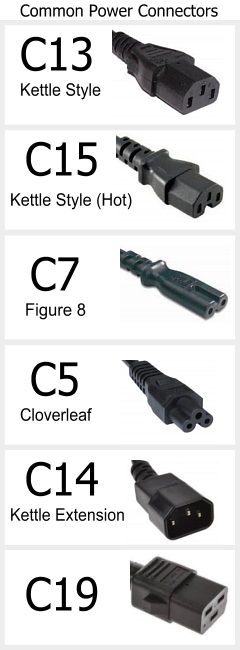
Common Tv Power Cord Types
Television power cords come in different types. Each type fits specific TVs and power outlets. Knowing common TV power cords helps in choosing the right one. It also prevents damage to your TV and ensures safety. Below are the main types you will find for TV power cords.
Two-prong Cords
Two-prong cords are simple and widely used. They have two metal pins that plug into the outlet. These cords do not have a ground wire. They work well with TVs that do not need grounding. These cords are light and easy to handle. Many older TV models use two-prong power cords.
Three-prong Cords
Three-prong cords add a ground pin for safety. The third prong protects against electric shocks. This cord type is common in modern TVs. It helps reduce electrical hazards. The grounded prong connects to the outlet’s ground. It is the safest choice for most electronics.
Detachable Power Cords
Detachable power cords can be removed from the TV. They allow easy replacement if the cord is damaged. These cords often have a connector on the TV side. Many flat-screen TVs use detachable cords. This type adds convenience and flexibility for users.
Cord Connectors And Plugs
Tv power cords come with different connectors and plugs. These parts join the cord to the TV and power source. Choosing the right connector ensures your TV gets power safely. Each type fits specific TVs and power outlets. Understanding these connectors helps find the right replacement or spare cord.
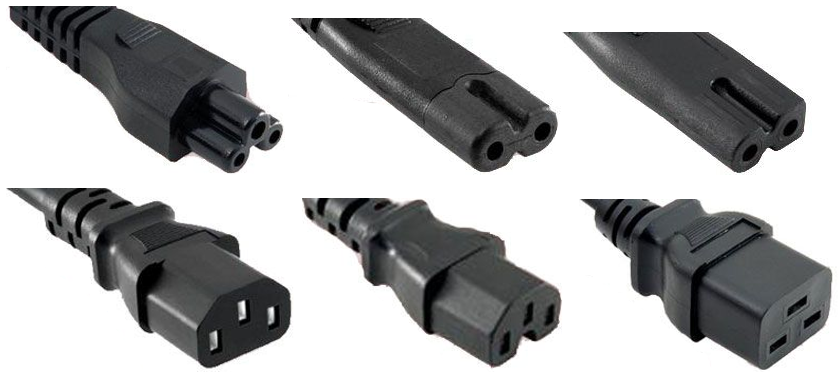
Iec C7 Connector
The IEC C7 connector is common on many TVs. It has a figure-8 shape and two pins. This connector fits smaller TVs and devices with low power needs. It is lightweight and easy to plug in. The C7 connector works with most standard power cords.
Iec C13 Connector
The IEC C13 connector is larger and more robust. It has three pins and a rectangular shape. Many modern TVs and monitors use this connector. It supports higher power and is common in homes and offices. The C13 connector offers a secure and stable connection.
Proprietary Connectors
Some TV brands use proprietary connectors. These plugs are made only for their models. Proprietary connectors may look different and need special cords. They ensure the power cord fits perfectly and safely. Users should check the TV manual for the exact type.
Cord Length And Gauge
Choosing the right TV power cord depends a lot on its length and gauge. These two features affect how safe and efficient your TV setup will be. The cord length decides how far your TV can be from the power outlet. The gauge, or thickness of the wire, controls how much electricity the cord can carry safely.
Standard Lengths
Most TV power cords come in standard lengths. Common sizes are 3, 6, and 10 feet. These lengths fit most rooms and TV setups. Short cords keep things tidy near outlets. Longer cords offer more flexibility in TV placement.
Heavy-duty Gauges
The wire gauge measures the thickness of the cord’s internal wires. Lower gauge numbers mean thicker wires. Heavy-duty cords have thicker wires to carry more current safely. This is important for larger TVs or those with extra features that use more power.
Extension Options
Extension cords help if your TV is far from an outlet. Use extensions made for TVs to avoid power loss or hazards. Choose the right gauge and length for safe use. Avoid cheap or thin extension cords that can overheat.
Safety Features In Power Cords
Power cords are essential for safe TV operation. Safety features in power cords protect both the user and the TV. These features reduce the risk of electric shocks and damage from power surges. Knowing these safety elements helps you pick the right power cord.
Grounding And Insulation
Grounding prevents electrical shocks by redirecting excess electricity. It connects the metal parts of the TV to the earth. Insulation covers the wires to stop electricity from escaping. Good insulation avoids short circuits and fires. Together, grounding and insulation keep the TV and people safe.
Surge Protection
Surge protection guards against sudden spikes in electricity. These spikes can damage your TV’s internal parts. Power cords with surge protection absorb or block these spikes. This feature extends the life of your TV. It also prevents unexpected shutdowns or damage.
Certification Marks
Certification marks show a power cord meets safety standards. Look for marks from trusted organizations like UL, CE, or ETL. These marks mean the cord passed strict safety tests. Using certified cords lowers the risk of electrical problems. Always choose cords with proper certification marks.
Choosing The Right Power Cord
Choosing the right power cord for your TV is important for safety and performance. The correct cord ensures your TV gets the power it needs. It also prevents damage to the TV or the cord itself. Understanding the types of cords and their features helps you make a smart choice.
Compatibility With Tv Models
Not all power cords fit every TV. Each TV model may need a specific plug type or size. Check your TV’s manual to find the recommended cord. Using the wrong cord can cause loose connections or no power. Match the plug shape and connector type exactly.
Power Rating Considerations
Power rating shows how much electricity a cord can handle safely. Your TV’s power needs must not exceed the cord’s rating. Look for the voltage and current numbers on the cord label. Using a cord with a low rating can cause overheating or failure. Pick a cord with a power rating equal to or higher than your TV’s requirements.
Environmental Factors
Think about where you place your TV. Some cords are better for indoor use only. Others can handle moisture or outdoor conditions. Avoid cords with thin insulation in humid or dusty rooms. A cord with heavy-duty insulation lasts longer in tough environments. Also, check cord length. Too short or too long cords can cause inconvenience or safety risks.

Frequently Asked Questions
What Are The Common Types Of Tv Power Cords?
TV power cords mainly include two-pin, three-pin, and figure-8 types. Each type matches different TV models and power needs. Knowing the type helps ensure safe and proper use.
How Do I Identify The Right Power Cord For My Tv?
Check your TV’s power input and plug shape. Match these with the cord’s plug and socket type. This prevents damage and keeps your TV working well.
Can I Use Any Tv Power Cord With My Television?
Not all cords fit every TV. Using the wrong cord can cause power issues or damage. Always use the recommended cord type for your TV model.
Why Do Some Tv Power Cords Have Three Pins Instead Of Two?
Three-pin cords include a ground pin for safety. This reduces electric shock risk and protects your TV. TVs with higher power needs usually use three-pin cords.
Are Replacement Tv Power Cords Easy To Find And Replace?
Yes, replacement cords are widely available online and in stores. Find the exact type and voltage for your TV. Replacing is simple but must be done correctly.
Conclusion
Choosing the right TV power cord matters for safety and performance. Different cords fit different TVs and regions. Always check the cord’s voltage and plug type. Using the correct cord helps your TV work well. Avoid cords that do not match your TV’s needs.
Keep your setup neat and avoid loose wires. A good power cord keeps your TV safe and running. Remember, simple care can prevent many issues. Power cords may seem small but are very important.