
Have you ever wondered what makes your TV work so seamlessly? Behind every picture and sound, there’s a complex circuit at play.
Understanding the different types of TV circuits can help you troubleshoot issues or even improve your viewing experience. Whether you’re a tech enthusiast or just curious about how your TV functions, this guide will break down the basics in a simple way.
Stick with me, and by the end, you’ll see your TV in a whole new light. Ready to dive in? Let’s explore the types of TV circuits that power your screen.
Analog Tv Circuits
Analog TV circuits are the foundation of traditional television sets. They convert broadcast signals into images and sound on the screen. These circuits work with continuous signals, unlike digital TV circuits that use binary data.
Understanding analog TV circuits helps in grasping how old TVs display pictures. It also aids in troubleshooting common problems with these devices.
Basic Components
Analog TV circuits include several key parts. The tuner selects the TV channel from many frequencies. The IF (Intermediate Frequency) amplifier strengthens the chosen signal.
The video and audio demodulators extract picture and sound from the signal. The CRT (Cathode Ray Tube) or display shows the image. Power supply circuits provide necessary voltage to all parts.
Signal Processing
Signal processing in analog TVs starts with receiving radio waves. The tuner converts these waves into electrical signals. Then, amplifiers boost the signal strength for clarity.
Demodulators separate audio and video from the combined signal. The video signal passes to the display system. The audio signal goes to the speakers for sound output.
Common Issues
Analog TV circuits often face problems like poor picture quality or no sound. Weak signals cause fuzzy images or static noise. Faulty tuners can prevent channel selection.
Damaged capacitors or resistors may disrupt power flow. CRT displays can develop color or brightness issues over time. Regular maintenance keeps analog TVs working well.
Digital Tv Circuits
Digital TV circuits play a crucial role in modern television systems. They handle digital signals, ensuring clear and sharp images. These circuits support various functions that improve picture and sound quality. Understanding their components helps appreciate how digital TV works.
Key Elements
Digital TV circuits include key parts like tuners, demodulators, and decoders. The tuner selects the correct channel frequency. The demodulator extracts the digital data from the signal. The decoder converts this data into video and audio streams. Together, these elements process incoming digital broadcasts efficiently.
Signal Conversion
Signal conversion changes the received digital signal into a format for display. This process involves analog-to-digital and digital-to-analog conversions. The circuit uses converters to handle different signal types. Proper conversion ensures smooth video playback and accurate sound output.
Error Correction
Error correction in digital TV circuits fixes transmission errors. It uses algorithms to detect and correct data mistakes. This process helps maintain picture quality despite signal interference. Error correction improves the viewing experience by reducing glitches and noise.
Crt Tv Circuits
CRT TV circuits form the core of traditional television sets. These circuits control how images and sounds appear on the screen. Understanding them helps to know how old TVs work and why they look different from modern ones.
Each circuit in a CRT TV has a special role. They work together to create clear pictures and good sound. Below are the main sections of CRT TV circuits.
Power Supply Section
The power supply section gives electricity to the whole TV. It changes the AC from the wall into DC for the TV parts. This section also controls the voltage levels to keep the TV safe.
Without the power supply, the TV cannot work. It ensures all other circuits get steady power all the time.
Deflection Circuit
The deflection circuit moves the electron beam inside the CRT screen. It controls horizontal and vertical movement to paint images line by line. This circuit creates the shape and size of the picture.
It uses magnetic fields to guide the beam accurately. The result is a stable and clear image on the screen.
Video Amplifier
The video amplifier increases the weak video signals. It makes the signals strong enough to drive the CRT display. This helps produce bright and sharp pictures.
It also controls the contrast and brightness of the image. A good video amplifier improves the overall picture quality.
Led Tv Circuits
LED TV circuits control how the television works and shows images. These circuits manage power, light, and the screen display. Each part plays a key role in making the TV clear and bright. Understanding these circuits helps in repairs and better use.
Backlight Control
The backlight circuit lights up the screen from behind. It uses LEDs to shine light evenly across the display. This part adjusts brightness based on the picture and room light. Proper control saves energy and improves image quality.
Power Management
Power management circuits supply the right voltage to each TV part. They protect the TV from power surges and short circuits. These circuits make sure the TV uses power safely and efficiently. Without this, the TV may not work or could get damaged.
Display Driver
The display driver sends signals to the screen pixels. It controls color, contrast, and sharpness of the picture. This circuit processes the video input and creates the image you see. A good driver circuit means clear and vibrant images.
Lcd Tv Circuits
LCD TV circuits are essential for the TV’s display and performance. They control how images appear on the screen. These circuits work together to deliver clear pictures and good color quality.
Understanding the main parts of an LCD TV circuit helps in troubleshooting and repairs. The key components include the inverter circuit, panel driver, and power supply.
Inverter Circuit
The inverter circuit powers the backlight of the LCD screen. It changes low voltage DC into high voltage AC. This high voltage lights up the fluorescent lamps behind the screen. Without the inverter, the screen would be dark and hard to see.
Panel Driver
The panel driver controls the pixels on the LCD screen. It sends signals to the display to create images. This circuit manages the brightness and color of each pixel. It ensures smooth and clear picture quality.
Power Supply
The power supply circuit provides electricity to all TV parts. It converts the main voltage into suitable levels for each circuit. This circuit protects the TV from power surges. A stable power supply keeps the TV running safely and efficiently.
Plasma Tv Circuits
Plasma TVs use special circuits to create clear and bright images. These circuits work together to control the screen’s tiny cells. Each cell lights up to show colors and shapes. Understanding these circuits helps explain how plasma TVs display pictures.
Addressing Circuit
The addressing circuit controls which cells light up. It sends signals to the right spots on the screen. This circuit turns on cells quickly and accurately. It makes sure images appear sharp and clear. Without it, the screen would show random lights.
Sustain Circuit
The sustain circuit keeps the cells glowing after they turn on. It sends steady pulses to maintain brightness. This circuit helps the picture stay bright and stable. It works with the addressing circuit for smooth images. The sustain circuit prevents flickering on the screen.
Power Supply
The power supply gives energy to all the plasma TV circuits. It changes the electrical current to the right voltage. This supply keeps the circuits running without interruption. A stable power supply is key for good picture quality. It protects the TV from power surges and damage.
Smart Tv Circuit Features
Smart TVs have changed how we watch shows and use technology. Their circuits are more complex than regular TVs. These circuits help run apps, connect to the internet, and display sharp images. Understanding the main features of a smart TV circuit helps to know how these TVs work.
Processor Unit
The processor is the brain of a smart TV. It controls all tasks, like running apps and decoding video. A faster processor means smoother operation. It handles multiple jobs without lag or delay. This unit decides how quickly the TV reacts to commands.
Connectivity Modules
Smart TVs use connectivity modules to link with the internet and other devices. Wi-Fi and Ethernet modules let the TV access online content. Bluetooth modules connect wireless headphones or speakers. These parts ensure the TV stays connected with ease.
Memory Components
Memory stores data and helps run apps on smart TVs. RAM allows the TV to work quickly by holding temporary data. Flash memory stores apps, settings, and updates. Good memory helps the TV load content faster and run apps smoothly.
Troubleshooting Common Faults
Troubleshooting common faults in TV circuits helps fix many issues quickly. Understanding these faults saves time and money. It also helps avoid unnecessary repairs or replacements. This section focuses on typical problems and easy ways to diagnose them.
No Power Issues
Check if the TV is plugged in properly. Sometimes, the power cord or socket may be loose or damaged. Look for blown fuses inside the TV. A faulty power supply board can also cause no power. Testing the power button and remote control is important too. Use a multimeter to check voltage at key points.
Display Problems
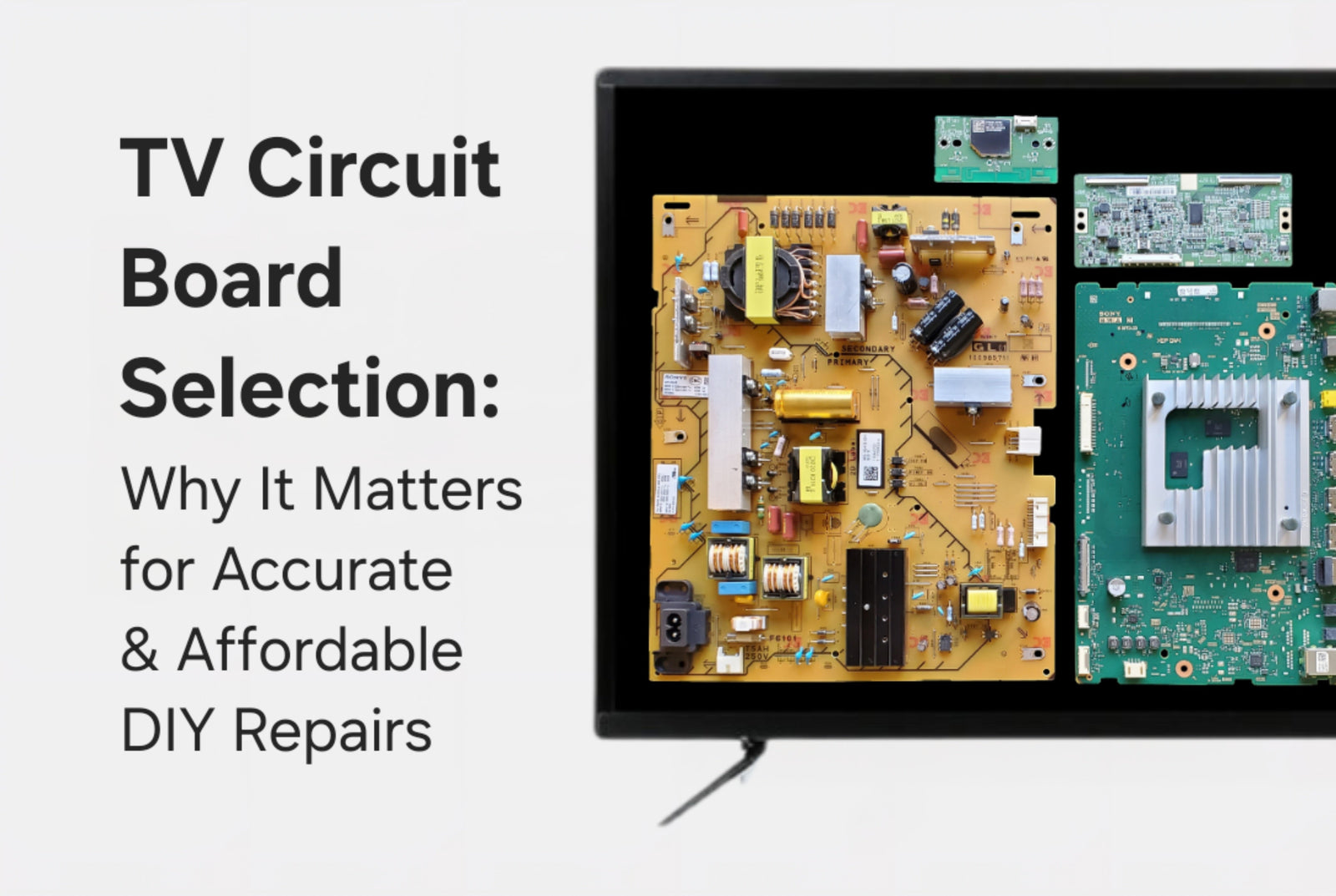
Screen issues often come from the display circuit or backlight. A blank screen or flickering can mean a broken LCD or LED panel. Loose connections between the main board and display cause problems. Check the T-Con board for faults. Sometimes, incorrect settings or software errors affect the picture. Resetting the TV might help.
Sound Malfunctions
Sound problems usually come from speaker or audio circuit faults. No sound or distorted audio can mean broken speakers or loose wiring. Check the audio amplifier board for damage. Test the volume control and mute function. Using external speakers can help identify internal faults. Sound settings should also be verified for proper configuration.
Frequently Asked Questions
What Are The Main Types Of Tv Circuits?
TV circuits mainly include power supply, tuner, video, audio, and deflection circuits. Each part has a specific role in showing pictures and sound on the screen.
How Does A Tv Power Supply Circuit Work?
The power supply circuit changes AC voltage from the wall into DC voltage. This DC voltage powers all other TV parts to function properly.
What Role Does The Tuner Circuit Play In A Tv?
The tuner circuit selects the TV channel signal from the air or cable. It filters and sends the correct channel signal to the video section.
Why Is The Deflection Circuit Important In Tvs?
The deflection circuit controls the movement of the electron beam inside CRT TVs. It helps create the full image by scanning across the screen.
How Do Video And Audio Circuits Differ In A Tv?
Video circuits process picture signals to display images on the screen. Audio circuits handle sound signals to produce clear audio output.
Conclusion
Understanding different types of TV circuits helps in basic troubleshooting and repairs. Each circuit plays a unique role in making the TV work. Knowing these circuits makes it easier to identify problems. Simple knowledge can save time and money. Keep learning step by step about TV circuits to gain confidence.
This helps you fix common issues at home. Small efforts lead to better understanding and skills. Stay curious and practice regularly to improve your TV repair knowledge.