
Are you looking to boost your TV’s sound quality but feel overwhelmed by the options? Understanding the different types of TV amplifiers can make all the difference in your viewing experience.
Whether you want clearer dialogue, richer bass, or simply louder volume without distortion, the right amplifier is key. You’ll discover the main types of TV amplifiers and how each one can improve your setup. By the end, you’ll feel confident choosing the perfect amplifier to bring your favorite shows and movies to life.
Keep reading to find the best fit for your needs.
Analog Tv Amplifiers
Analog TV amplifiers play a vital role in improving television signal quality. These devices boost weak signals to provide clear and stable picture quality. They are essential for older TV systems that rely on analog broadcasts. Understanding different types helps in choosing the right amplifier for your setup.
Low Noise Amplifiers
Low noise amplifiers (LNAs) increase signal strength without adding much noise. They help keep the picture clear by reducing interference. LNAs are perfect for areas with weak TV signals. They make faint signals strong enough for better reception.
Broadband Amplifiers
Broadband amplifiers work over a wide range of frequencies. They support many channels at once without losing signal quality. These amplifiers are useful for homes with multiple channels. They maintain stable signals across different TV frequencies.
Distribution Amplifiers
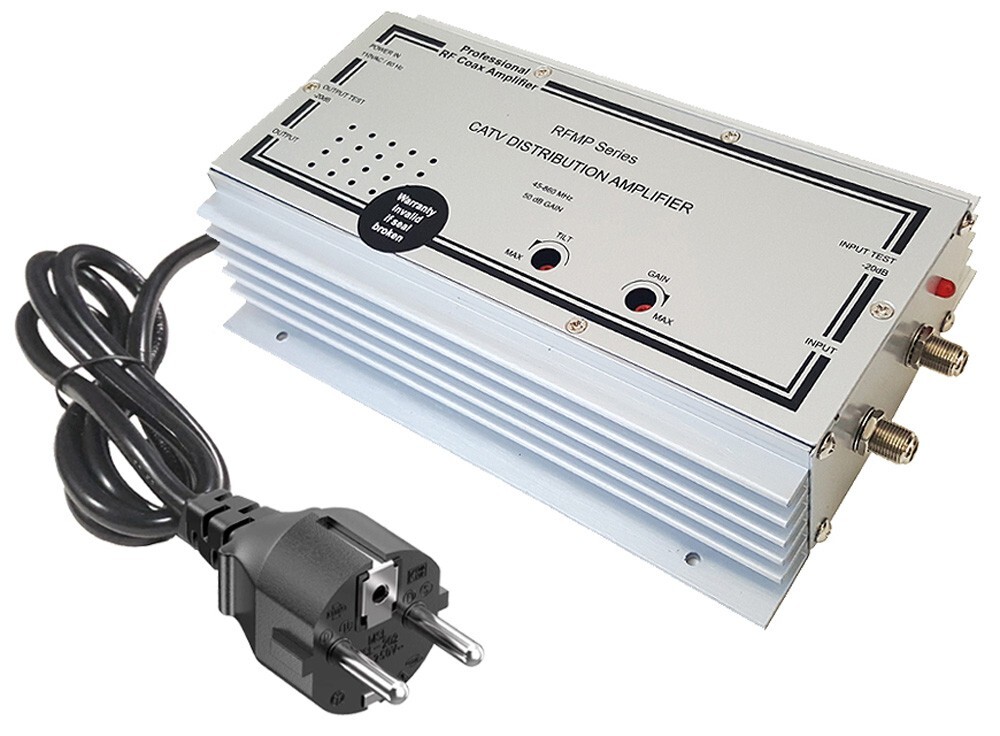
Distribution amplifiers split one signal into several outputs. They allow multiple TVs to connect to a single antenna. These amplifiers keep signal strength strong to all devices. They prevent signal loss in large homes or buildings.
Digital Tv Amplifiers
Digital TV amplifiers help improve the quality of digital television signals. They boost weak signals and reduce noise. This results in clearer pictures and better sound. Different types of digital TV amplifiers serve specific purposes depending on the signal source.
Dvb-t Amplifiers
DVB-T amplifiers enhance signals from terrestrial digital TV antennas. They strengthen over-the-air broadcasts to reach your TV clearly. These amplifiers help in areas with weak signal coverage. They also reduce interference from buildings or weather conditions.
Satellite Signal Amplifiers
Satellite signal amplifiers boost signals received from satellite dishes. These signals travel long distances and can weaken. Amplifiers ensure the signal stays strong until it reaches your receiver. They help improve picture quality and reduce signal loss.
Cable Tv Amplifiers
Cable TV amplifiers increase the strength of signals from cable providers. They prevent signal degradation over long cable runs inside homes. These amplifiers maintain clear images and stable channels. They are useful for households with multiple TVs connected to one source.
Indoor Vs Outdoor Amplifiers
Choosing the right TV amplifier depends on where you plan to use it. Indoor and outdoor amplifiers serve different purposes and have unique features. Understanding these differences helps you pick the best option for your setup.
Weatherproof Features
Outdoor amplifiers must resist rain, dust, and extreme temperatures. They have sealed cases to keep moisture out. Many use rust-proof materials to last longer outside. Indoor amplifiers do not need these protections. They can be simpler and lighter since they stay in dry places.
Installation Considerations
Indoor amplifiers are easy to install near your TV or inside a cabinet. They usually plug into standard outlets and need less space. Outdoor amplifiers require careful placement to avoid damage. Mounting them high and secure is common. Proper wiring is important to prevent signal loss in outdoor setups.
Power Supply Types
Power supply is a key part of TV amplifiers. It affects how well the amplifier works and how stable the signal is. Different types of power supplies suit different needs and setups.
Choosing the right power supply helps ensure clear sound and better performance from your TV amplifier. Two common types are AC powered and DC powered amplifiers.
Ac Powered Amplifiers
AC powered amplifiers use electricity from wall outlets. They convert this alternating current into the power needed for the amplifier. These are common in home setups with easy access to sockets.
They provide steady power, which helps keep the sound quality consistent. Many models have built-in transformers to manage voltage changes. This makes them reliable for long use.
Dc Powered Amplifiers
DC powered amplifiers run on direct current from batteries or power adapters. They are ideal for portable or outdoor use where AC power is unavailable. These amplifiers often use 12V or 24V DC sources.
They offer flexibility and convenience but may have limited power compared to AC models. DC amplifiers work well in cars or places without easy access to mains electricity.
Specialized Tv Amplifiers
Specialized TV amplifiers serve unique roles in enhancing signal quality. They help deliver clear images and sound. These amplifiers are tailored for specific parts of the TV signal chain. Each type improves performance in different ways. Understanding these can help you choose the right amplifier for your setup.
Masthead Amplifiers
Masthead amplifiers sit near the antenna. They boost weak signals right after reception. This reduces noise and signal loss over cable runs. These amplifiers improve picture quality for distant or weak broadcast signals. They require power, often supplied through the cable line.
Pre-amplifiers
Pre-amplifiers work before the main amplifier in the system. They increase signal strength without adding much noise. Pre-amps prepare the signal for better processing downstream. These are useful in areas with weak TV signals. They help maintain signal clarity over long distances.
Distribution Line Amplifiers
Distribution line amplifiers boost the signal along cable lines. They keep the signal strong when it splits to multiple TVs. These amplifiers balance signal levels across many outputs. This prevents picture degradation and interference. They are essential in larger homes or buildings.

Frequently Asked Questions
What Are The Main Types Of Tv Amplifiers?
TV amplifiers include RF amplifiers, audio amplifiers, and video amplifiers. Each type boosts different signals in your TV system. This helps improve picture and sound quality.
How Does An Rf Amplifier Improve Tv Signal?
An RF amplifier strengthens weak broadcast signals before they reach the TV. This reduces static and improves reception. It is useful for antenna and cable setups.
Why Use An Audio Amplifier In A Tv System?
Audio amplifiers increase the sound volume and clarity from your TV speakers. They make voices and music louder and clearer. This is ideal for better home theater sound.
What Role Does A Video Amplifier Play In Tvs?
Video amplifiers boost the brightness and contrast of the TV picture. They help display sharper and clearer images. This improves overall viewing experience.
Can Tv Amplifiers Reduce Signal Loss Over Long Cables?
Yes, TV amplifiers help maintain signal strength over long cable runs. They prevent picture and sound quality from dropping. This is important for large homes or complex setups.
Conclusion
Choosing the right TV amplifier can improve your sound experience. Different types serve different needs and setups. Some boost volume, others enhance clarity or bass. Understanding these options helps you pick what fits best. Remember, simple changes can make TV watching more enjoyable.
Explore these amplifiers to find your perfect match. Sound quality matters, and the right amplifier makes a big difference. Keep your setup easy and effective for better audio every time.