
Are you thinking about upgrading your TV but feel overwhelmed by all the options? Choosing the right type of TV can make a huge difference in your viewing experience.
Whether you want stunning picture quality, a sleek design, or smart features that fit your lifestyle, understanding the different types of TVs is key. You’ll discover the main TV types, what makes each one unique, and which might be the perfect match for your home.
Keep reading to find out how to get the best value and enjoy every show, movie, or game like never before.
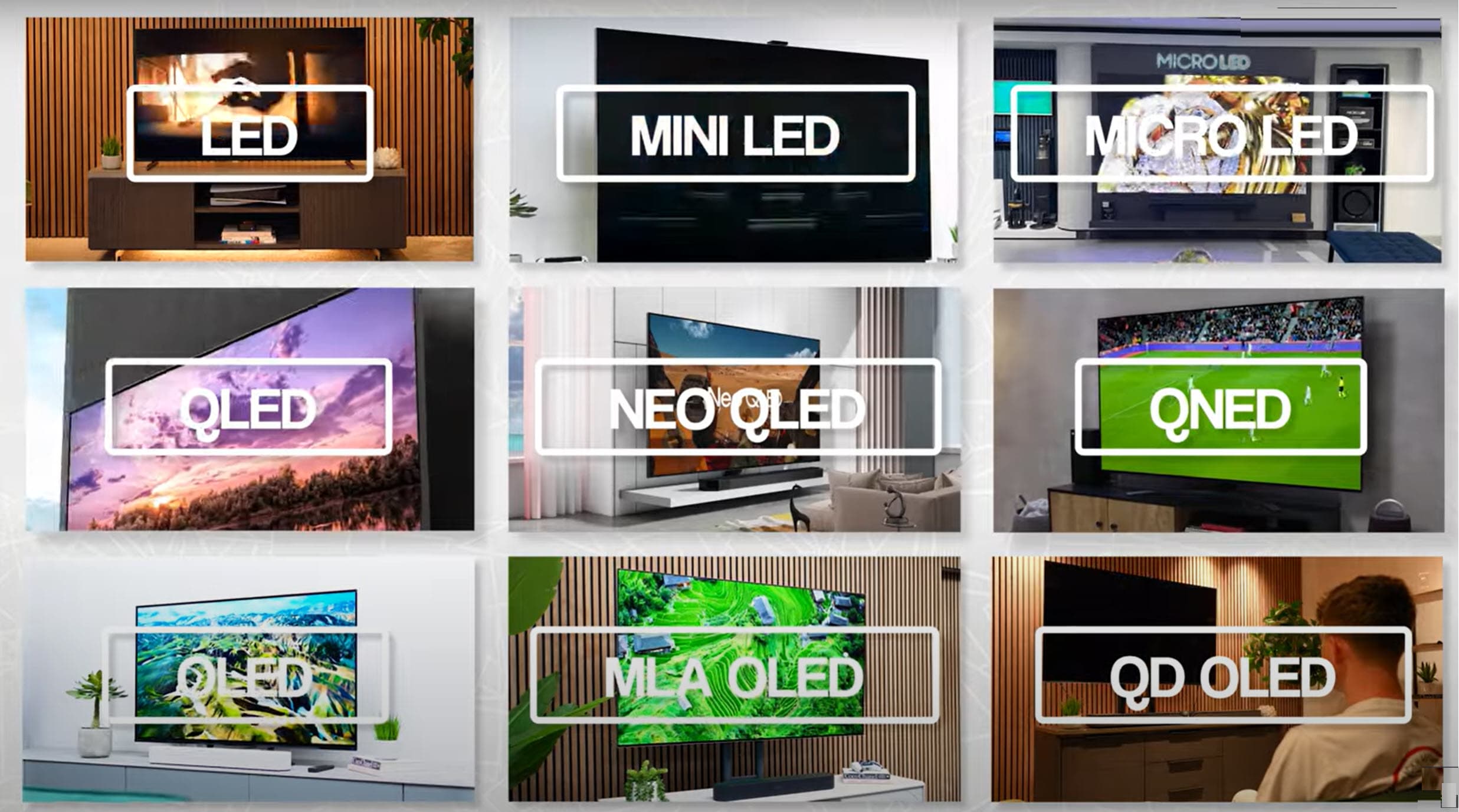
Led Tvs
LED TVs are a popular choice for many homes. They use light-emitting diodes to display images. This technology offers bright pictures and sharp colors. LED TVs come in various sizes and prices. People like them for clear images and slim designs.
How Led Tvs Work
LED TVs use tiny lights called LEDs to light the screen. These lights shine through a liquid crystal display (LCD) panel. The LCD blocks or allows light to create images. The LEDs can be placed behind or around the screen edges. This setup helps produce bright and vivid pictures.
Benefits Of Led Tvs
LED TVs use less power than older TV types. They have slim bodies that fit well in small spaces. The colors on LED TVs look bright and natural. They also offer good contrast, making dark scenes clearer. LED TVs last a long time with proper care.
Popular Led Tv Models
Many brands make LED TVs with different features. Samsung’s QLED models are known for high brightness and color. LG offers LED TVs with good smart TV functions. Sony’s LED TVs provide sharp images and good sound quality. These models suit various budgets and needs.

Oled Tvs
OLED TVs offer a new level of picture quality. They use a unique screen technology that makes images look bright and clear. These TVs show deep blacks and vivid colors. Many people enjoy watching movies and sports on OLED screens because of their sharp images and smooth motion.
Technology Behind Oled
OLED stands for Organic Light Emitting Diode. Each pixel in an OLED screen lights up on its own. It does not need a backlight like other TVs. This allows the screen to show perfect black colors. The screen can also be very thin and flexible. This technology improves contrast and color accuracy.
Advantages Of Oled Screens
OLED TVs have bright and rich colors. They show true black by turning off pixels completely. This makes images clear and sharp. The screens have wide viewing angles. The picture looks good from any seat. OLED TVs also have fast response times. This reduces blur in fast scenes.
Top Oled Tv Brands
Many brands make OLED TVs today. LG is known for its high-quality OLED screens. Sony offers OLED TVs with strong picture processing. Panasonic also produces OLED TVs with excellent color. These brands provide reliable options for buyers. Each brand has different sizes and features.
Qled Tvs
QLED TVs have become popular for their bright and vibrant display. They use special technology to deliver sharp images and rich colors. Many people prefer QLED for watching movies and sports in bright rooms. The screens are bright and clear, making details easy to see.
What Is Qled Technology
QLED stands for Quantum Dot Light Emitting Diode. It uses tiny particles called quantum dots to produce light. These dots create bright and accurate colors on the screen. QLED TVs use a backlight behind the screen. The quantum dots help improve brightness and color range.
Qled Vs Oled Comparison
QLED and OLED are two popular TV types. QLED is brighter and works well in bright rooms. OLED offers better black levels and wider viewing angles. OLED pixels turn off completely for true black. QLED uses a backlight, so blacks are less deep. Each has strengths for different uses.
Leading Qled Tvs
Top brands make high-quality QLED TVs. Samsung is well-known for its QLED models. These TVs offer sharp images and vivid colors. Other brands also produce strong QLED options. Many models include smart features and good sound quality. QLED TVs suit users wanting bright, colorful screens.
Lcd Tvs
LCD TVs are one of the most common types of televisions found today. They use liquid crystal displays to create clear and bright images. Many homes and offices choose LCD TVs for their balance of quality and price. This type of TV is known for good picture quality and energy efficiency.
Basics Of Lcd Screens
LCD stands for liquid crystal display. These TVs use a backlight to shine through liquid crystals. The crystals adjust to form images on the screen. This process allows the TV to show sharp and colorful pictures. LCD screens are thin and light, making them easy to mount on walls.
Pros And Cons Of Lcd Tvs
LCD TVs offer bright images and use less power than older TVs. They work well in bright rooms and show clear colors. Some LCD TVs may have limited viewing angles. The black levels are not as deep as in other types. Over time, the backlight can lose brightness, but it usually lasts many years.
Popular Uses Of Lcd Tvs
Many use LCD TVs in living rooms and bedrooms. They are great for watching sports, movies, and TV shows. Offices often use them for presentations and video calls. LCD TVs fit well in small spaces because they are slim. Their clear picture makes them good for daily entertainment.
Plasma Tvs
Plasma TVs were popular for many years. They offered deep colors and smooth motion. These TVs used small cells filled with gas to create images. Many people loved their picture quality and size options. Though they are less common now, plasma TVs had unique qualities.
Plasma Display Features
Plasma TVs showed bright and rich colors. They had wide viewing angles, so the picture stayed clear from the side. Motion was smooth, which made fast scenes look good. These TVs could display deep blacks, improving contrast. The screen was usually flat and large.
Why Plasma Tvs Declined
Plasma TVs used more power than other types. They were heavier and thicker, making them hard to move. Newer LED and LCD TVs became cheaper and lighter. Plasma screens could suffer from burn-in if the same image stayed too long. These issues caused many people to switch to other TVs.
Where Plasma Tvs Still Shine
Plasma TVs still work well in dark rooms. Their deep black levels improve movie watching. They perform better for fast-action sports and games. Some users prefer plasma for their natural color tone. For those who want excellent picture quality without a high price, plasma remains a good option.
Smart Tvs
Smart TVs have changed how we watch television. They connect to the internet and offer many apps and services. You can stream movies, browse the web, and even play games. These TVs bring a lot of content right to your living room without extra devices.
Key Features Of Smart Tvs
Smart TVs come with built-in Wi-Fi or Ethernet ports. They allow easy access to streaming platforms like Netflix and YouTube. Voice control is common, letting you search using your voice. Many have app stores for downloading more apps. Some models include screen mirroring to share content from your phone.
Operating Systems Explained
Smart TVs run on different systems. Android TV offers a large app selection and Google Assistant. Roku TV is simple and user-friendly with many streaming channels. WebOS, used by LG, focuses on ease and speed. Tizen, Samsung’s system, supports many apps and a smooth interface. Each system has its strengths for different users.
Best Smart Tv Options
Popular brands offer reliable smart TVs. Samsung’s models feature bright screens and strong software. LG TVs are known for good picture quality and WebOS. Sony offers Android TVs with excellent color accuracy. TCL and Hisense provide budget-friendly options with Roku TV. Choose a TV based on your budget and preferred features.
4k And 8k Tvs
4K and 8K TVs are the latest in television technology. They offer sharper, clearer pictures than older TVs. These TVs have more pixels, which means better image quality. Understanding their differences helps you choose the right TV for your needs.
Resolution Differences
4K TVs have about 8 million pixels. 8K TVs have four times more pixels, about 33 million. More pixels mean finer details on the screen. On large screens, 8K shows clearer images than 4K. But on smaller screens, the difference is hard to see.
Content Availability
4K content is common now. Many streaming services offer movies and shows in 4K. 8K content is rare. Few broadcasters or streaming platforms provide 8K videos. Most 8K TVs use upscaling to improve lower resolution videos.
Is 8k Worth It?
8K TVs cost much more than 4K TVs. Without enough 8K content, the extra pixels are not fully used. For most people, 4K TVs offer great value. 8K may be useful for very large screens or future-proofing.
.webp "Types of Tv 3")
Curved And Flat Screen Tvs
Choosing a TV means picking between curved and flat screens. Both offer clear images and sharp colors. Each type fits different rooms and viewing habits. Understanding their features helps make a good choice.
Benefits Of Curved Screens
Curved screens wrap the picture around your eyes slightly. This creates a more immersive feel. You feel like the action surrounds you. The curve reduces reflections from lights in the room. It also improves contrast at the edges. Watching movies or sports on curved screens feels more natural.
When To Choose Flat Screens
Flat screens suit most rooms and seating styles. They work well if many people watch from different angles. Flat TVs are easier to hang on walls. They usually cost less than curved models. If you want a simple, flexible option, flat screens are best.
Design Trends
Flat screens remain the popular choice for modern homes. Their slim profiles and sharp edges fit minimalistic styles. Curved screens appear in premium and stylish setups. They add a unique look to living rooms. Both types come with thin bezels and sleek stands now.
Frequently Asked Questions
What Are The Main Types Of Tvs Available Today?
The main TV types include LED, OLED, QLED, and LCD. Each uses different technology for picture quality and brightness.
How Does Oled Tv Differ From Led Tv?
OLED TVs have self-lighting pixels for better contrast and black levels. LED TVs use backlights that can cause less deep blacks.
Which Tv Type Is Best For Bright Rooms?
QLED and LED TVs work well in bright rooms. They offer high brightness to combat sunlight and reflections.
Are Smart Tvs Different From Regular Tvs?
Smart TVs connect to the internet and run apps like Netflix. Regular TVs do not have internet features.
What Size Tv Is Best For A Small Room?
A TV between 32 and 43 inches fits well in small spaces. It provides clear images without overwhelming the room.
Conclusion
Choosing the right TV depends on your needs and budget. LED, OLED, and QLED all offer different picture qualities. Consider size, resolution, and smart features before buying. Each type suits different rooms and uses. Take your time to compare options carefully.
This helps you enjoy better viewing every day. A good TV makes watching shows and movies more fun. Keep these points in mind for a smart choice.