
If you’re diving into the world of remote control vehicles, understanding the types of RC radios is key to getting the most out of your experience. Your RC radio is your direct link to controlling speed, direction, and performance, so choosing the right one matters.
But with so many options out there, how do you know which type suits your needs best? Whether you’re a beginner or looking to upgrade, this guide will clear up the confusion and help you find the perfect RC radio that fits your style and budget.
Ready to take control? Let’s explore the different types of RC radios and discover which one is right for you.
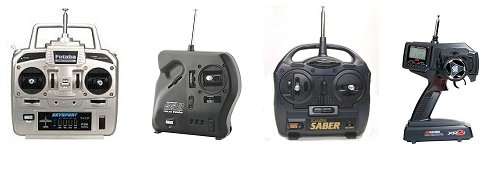
Rc Radio Types
RC radios come in various types, each designed to control your model effectively. Understanding these types helps you pick the right radio for your needs. This section breaks down the main RC radio types you will encounter.
Am And Fm Radios
AM and FM radios are among the oldest types used in RC models. AM stands for Amplitude Modulation, while FM means Frequency Modulation. AM radios are more prone to interference and noise. FM radios offer clearer signals and better control range. Both operate on specific frequency bands, usually in the 27 MHz or 49 MHz range. These radios are mostly found in beginner or budget RC sets.
Digital And Analog Radios
Analog radios send continuous signals to control the model. Digital radios use coded signals for better precision and less interference. Digital systems allow multiple users to operate without signal clashes. This makes digital radios popular in competitive RC racing. Analog radios are simpler but can suffer from signal loss and noise. Digital radios often provide more features and customization options.
2.4 Ghz Radios
2.4 GHz radios are the most common in modern RC models. They use a high-frequency band that reduces interference. This band allows multiple radios to work simultaneously without conflict. 2.4 GHz radios offer fast response times and reliable connections. Many come with automatic frequency hopping to avoid busy channels. This type of radio is ideal for beginners and experienced hobbyists.
Frequency Bands Explained
Frequency bands are ranges of radio waves used for communication. Common bands for RC radios include 27 MHz, 49 MHz, and 2.4 GHz. Lower bands like 27 MHz are more crowded and can cause interference. Higher bands such as 2.4 GHz provide clearer signals and longer range. Knowing the frequency band helps choose compatible transmitters and receivers. Each band has pros and cons depending on your RC model and environment.

Transmitter Designs
RC radios come in various transmitter designs. Each design suits different styles of control and comfort. Choosing the right transmitter can improve your RC experience. Understanding each type helps you pick the best fit.
Wheel-and-trigger Controllers
Wheel-and-trigger controllers mimic a car steering wheel and throttle. The wheel steers left and right. The trigger controls speed and braking. This design feels natural for car racing fans. It offers precise control and quick response. These radios are popular with beginners and hobbyists alike.
Stick Controllers
Stick controllers use two joysticks to control movement. One stick handles throttle and brake. The other stick controls steering or other functions. This design is versatile and works for many RC models. Pilots of drones and planes often choose stick controllers. They offer smooth, accurate control for flying and driving.
Pistol Grip Radios
Pistol grip radios combine a trigger and a wheel in one unit. The trigger controls speed and brake. The wheel controls steering. This design fits well in one hand. It offers comfort for long use and good precision. Pistol grip radios are great for car racers who want ease and control.
Receiver Compatibility
Receiver compatibility is a key factor when choosing RC radios. It ensures that the transmitter and receiver communicate well. Without compatibility, the RC vehicle won’t respond to controls. Understanding how different systems connect helps avoid frustration and wasted money.
Many RC radios use different ways to link transmitters and receivers. Some work only with specific brands or models. Knowing these differences helps you pick the right parts for your setup. It also affects how easily you can upgrade or replace components later.
Binding Protocols
Binding protocols are rules that allow transmitters to link with receivers. Each protocol ensures a secure and stable connection. Most brands use unique protocols, so not all transmitters can bind with all receivers. Binding usually requires a special process to pair the devices properly. This prevents interference from other RC systems nearby.
Brand-specific Systems
Many manufacturers design their radios to work only with their own receivers. This approach improves performance and reliability. It also limits compatibility to within the same brand family. Choosing a brand-specific system means you must stick with that brand for future upgrades. Some brands offer better features, but you trade off cross-brand flexibility.
Cross-compatibility Limits
Cross-compatibility between brands is rare and limited. Some budget or clone radios may work with similar models under different names. These radios often share the same hardware and firmware. High-end or popular brands rarely support other brands’ receivers. Always check compatibility lists before buying to avoid mismatched parts. Mixing incompatible components can cause loss of control or poor signal quality.
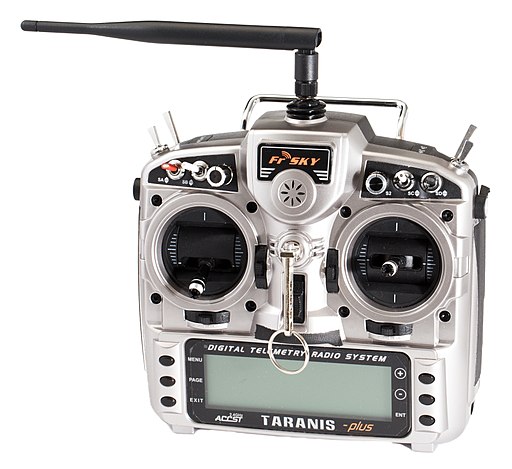
Specialized Rc Radios
Specialized RC radios cater to different types of remote-controlled models. They offer features designed specifically for airplanes, cars, boats, and drones. These radios ensure better control, precision, and reliability for each type of RC vehicle. Choosing the right specialized radio improves your experience and performance.
Airplane Radios
Airplane radios focus on smooth and precise control of flight. They often include multiple channels for controlling flaps, throttle, and rudder. These radios provide long-range signals and stable connections. Pilots benefit from features like programmable mixes and flight modes. Airplane radios help maintain steady flight and accurate maneuvers.
Car Radios
Car radios emphasize quick response and fine steering control. They usually have a pistol grip or wheel style for easy handling. Many car radios offer adjustable throttle and steering trims. These radios support fast and sharp turns for racing or off-road driving. Car radios give drivers the ability to react instantly on the track.
Boat Radios
Boat radios provide reliable control over watercraft in various conditions. They often have waterproof or water-resistant designs. These radios focus on smooth throttle control to handle waves and currents. Boat radios may include features to control rudders and sails. Strong signals help avoid interference near water surfaces.
Drone Controllers
Drone controllers offer advanced functions for aerial photography and racing. They support multiple flight modes like GPS hold and altitude lock. These radios allow precise control of camera gimbals and flight speed. Some models include telemetry feedback for battery and signal status. Drone controllers enhance stability and control during flight.
Advanced Features
Advanced features in RC radios offer better control and flexibility. These functions help users manage their models more precisely. They also improve safety and performance during operation. Such features suit experienced hobbyists and serious racers.
Telemetry Integration
Telemetry integration allows real-time data feedback from the model. You can monitor battery voltage, motor temperature, and signal strength. This data helps prevent damage and optimize performance. Telemetry makes flying or driving more informed and safer.
Multi-model Memory
Multi-model memory stores settings for different RC models. You can switch between cars, boats, or planes quickly. Each model keeps its own customized controls and trims. This feature saves time and avoids repeated setup tasks.
Adjustable Response Curves
Adjustable response curves control how the model reacts to inputs. You can make steering or throttle more or less sensitive. This fine-tuning suits different skill levels and driving styles. It also improves smoothness and precision in control.
Failsafe Functions
Failsafe functions protect your model if the signal is lost. The radio sends commands to stop or return the model safely. This reduces the risk of crashes or runaway vehicles. Failsafe is essential for safe and worry-free operation.
Popular Brands
Popular brands of RC radios shape the hobby with quality and innovation. They offer reliable controls and advanced features. Choosing a trusted brand ensures a smoother experience. Each brand brings unique strengths and options for different users.
Spektrum
Spektrum radios are known for ease of use and reliability. They support advanced telemetry and programming. Many hobbyists trust Spektrum for consistent signal and strong range. Their radios suit beginners and pros alike.
Futaba
Futaba offers precision and durability in their radio systems. Their controls feel responsive and solid in hand. Futaba radios often feature customizable settings and clear displays. They are popular among serious RC racers.
Flysky
Flysky radios provide budget-friendly options without sacrificing quality. Their models support multiple channels and good range. Flysky radios are great for newcomers and casual users. They balance price and performance well.
Hitec
Hitec radios combine innovation with user-friendly design. Their products include advanced programming and stable transmission. Hitec radios fit various RC vehicles and flying crafts. They appeal to hobbyists who want flexibility.
Frequently Asked Questions
What Are The Different Types Of Radios?
The main types of radios include AM, FM, shortwave, longwave, satellite, Ham, DAB, walkie-talkies, and HD radio. Each uses distinct technology or frequency bands.
Can You Bind Any Transmitter To Any Receiver?
No, you cannot bind any transmitter to any receiver. Each uses specific protocols. Only matching brands or compatible models bind successfully.
What Are The Three Types Of Rc Cars?
The three types of RC cars are touring cars, buggies, and drift cars. Touring cars excel on smooth pavement. Buggies handle mixed terrains and jumps. Drift cars specialize in controlled sliding on smooth surfaces.
What Is The Most Popular Rc Brand?
Traxxas is the most popular RC brand, known for durable, high-performance RC crawlers and bashers. It leads the market globally.
Conclusion
RC radios come in many types, each with unique features. Choosing the right one depends on your needs and experience. Simple radios suit beginners, while advanced models offer more control. Understanding these types helps you enjoy your RC hobby more.
Keep exploring to find the perfect fit for your RC vehicle. Enjoy the fun and excitement that RC radios bring!