
When it comes to radio communication, your antenna is the key to getting clear, reliable signals. But did you know there are many types of radio antennas, each designed for specific uses and environments?
Whether you’re setting up a ham radio, boosting your car’s reception, or working with advanced satellite systems, choosing the right antenna can make all the difference. You’ll discover the main types of radio antennas, how they work, and which one fits your needs best.
Keep reading to unlock the secrets behind these essential devices and improve your radio experience like never before.
Basic Antenna Types
Basic antenna types form the foundation of radio communication. These antennas are simple in design but effective in transmitting and receiving signals. They serve as the building blocks for more complex antenna systems.
Each type has unique characteristics that suit different uses. Understanding these basics helps in choosing the right antenna for any application.
Dipole Antennas
Dipole antennas consist of two metal rods or wires. They are connected at the center to the radio equipment. This design allows them to send and receive radio waves efficiently.
Dipoles are popular for their simplicity and good performance. They work well for many radio frequencies and are easy to build and install.
Monopole Antennas
Monopole antennas use a single metal rod or wire. They rely on the ground or a metal plane as a reflector. This setup acts like the missing half of the antenna.
Monopoles are common in car radios and mobile devices. They provide good coverage and are compact compared to dipoles.
Loop Antennas
Loop antennas form a closed circle or rectangle of wire. They are smaller than dipoles and monopoles. Loops are used when space is limited or for special directional needs.
These antennas can pick up signals with less noise. They are useful in urban areas with many interfering signals.
Radiation Patterns
Radiation patterns describe how radio antennas send or receive signals. They show the direction and strength of radio waves. Understanding these patterns helps choose the right antenna for your needs. Antennas fall into three main categories based on their radiation patterns. Each type offers unique coverage and focus levels.
Omnidirectional Antennas
Omnidirectional antennas radiate signals equally in all horizontal directions. They create a 360-degree coverage area around the antenna. This pattern is ideal for general use, like in car radios or Wi-Fi routers. Users get consistent signal strength without needing to aim the antenna.
Directional Antennas
Directional antennas focus their energy in one main direction. This focus increases signal strength and range in that direction. Common examples include Yagi and parabolic dish antennas. These antennas are perfect for long-distance communication or targeting a specific area.
Semi-directional Antennas
Semi-directional antennas offer a balance between omnidirectional and directional patterns. They cover a wider angle than directional antennas but still focus more energy than omnidirectional ones. Sector antennas used in cell towers often use this pattern. They work well for covering specific sectors or zones.
Specialized Antenna Designs
Specialized antenna designs serve unique purposes in radio communication. They offer focused signal transmission and reception. These designs improve performance in specific environments and uses. Each type has distinct features suited to particular frequencies and applications.
Yagi-uda Antennas
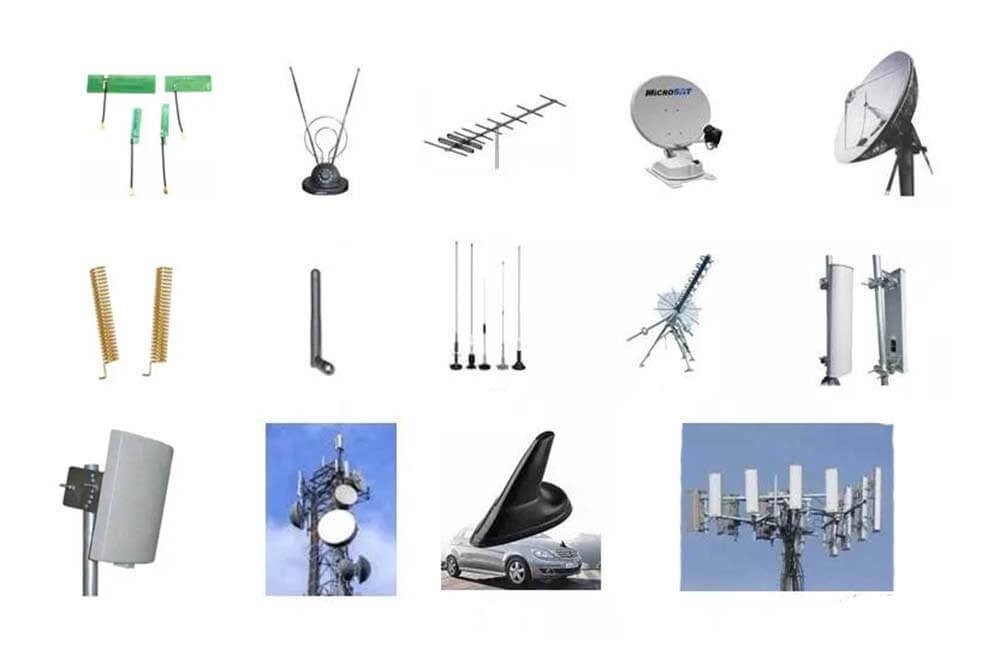
Yagi-Uda antennas are highly directional. They consist of multiple parallel elements: one driven element, several directors, and a reflector. This design enhances signal gain in one direction. It is popular for TV reception and amateur radio. The antenna’s focused beam reduces interference from other directions.
Patch Antennas
Patch antennas have a flat, compact shape. They are often square or rectangular and mounted on a flat surface. These antennas work well at microwave frequencies. Patch antennas are common in mobile devices and GPS units. Their low profile makes them easy to integrate into small electronics.
Dish Antennas
Dish antennas feature a curved, reflective surface. They focus radio waves onto a single point called the feed horn. This design provides very high gain and narrow beamwidth. Dish antennas are widely used in satellite communication and radar. They excel at long-distance, point-to-point links.
Horn Antennas
Horn antennas have a flared metal waveguide that looks like a horn. They efficiently direct microwave signals in a narrow beam. Horns are common in radar and microwave test equipment. Their simple design offers wide bandwidth and low signal loss. Horn antennas handle high power levels well.
Applications And Examples
Radio antennas serve many purposes across different fields. Each type suits specific communication needs. Understanding their applications helps identify the right antenna for each use. Below are common applications and examples of radio antennas in real life.
Broadcasting Antennas
Broadcasting antennas send radio or TV signals over wide areas. They use high power to reach many receivers. Common types include dipole and directional antennas. Radio stations often use tall towers with omnidirectional antennas. TV stations prefer directional antennas for focused coverage. These antennas ensure clear signals for millions of viewers.
Mobile Device Antennas
Mobile devices need small, efficient antennas for wireless communication. Patch antennas and monopole types are common in smartphones. They support cellular, Wi-Fi, and Bluetooth signals. These antennas fit inside devices and allow constant connectivity. Their design balances size and signal quality for users on the move.
Satellite Communication Antennas
Satellite antennas send and receive signals from space. Dish antennas are typical for this use. They focus signals into narrow beams for long-distance transmission. Satellites use these antennas for TV, internet, and GPS signals. Ground stations have large dish antennas to communicate with orbiting satellites.
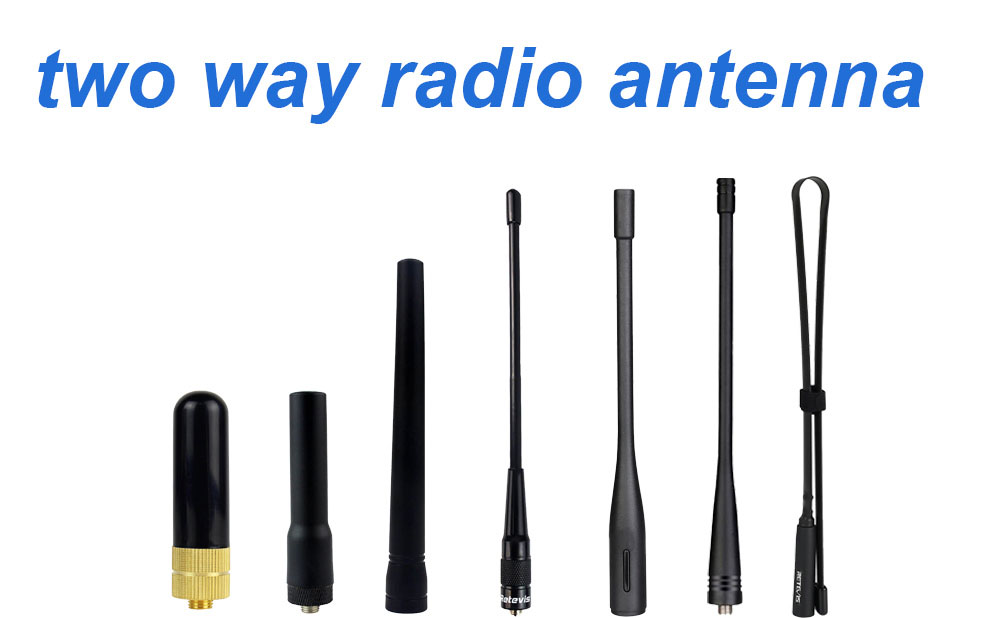
Two-way Radio Antennas
Two-way radios use antennas for direct communication between users. Whip and monopole antennas are common in handheld radios. These antennas provide wide coverage and clear transmission. Police, firefighters, and other services rely on them daily. Portable and vehicle-mounted antennas keep teams connected during work.
Frequently Asked Questions
What Are The Three Basic Types Of Antennas?
The three basic types of antennas are dipoles, monopoles, and loops. Dipoles have two elements, monopoles use one element with a ground plane, and loops form closed conductive rings. These types form the foundation for various antenna designs and applications.
What Are The Different Types Of Radio Antennas?
Radio antennas include dipole, monopole, loop, Yagi-Uda, patch, horn, and dish types. Each serves different signal needs.
What Are The Different Types Of Antennas For Fm Radio?
The main FM radio antennas are dipole, monopole (whip), loop, and directional (Yagi-Uda). Dipoles and monopoles offer omnidirectional coverage. Loops provide compact design and directionality. Directional antennas focus signals for better reception in specific areas.
Which Is Better, An Omnidirectional Or Directional Antenna?
Directional antennas focus signals for longer range and higher gain, ideal for targeted communication. Omnidirectional antennas provide 360-degree coverage, best for broad area coverage and mobile use. Choose based on your coverage needs: directional for distance and precision, omnidirectional for wide, all-around reception.
Conclusion
Radio antennas come in many shapes and sizes. Each type serves a unique purpose. Dipoles, monopoles, and loops form the basics. Directional antennas focus signals, while omnidirectional ones spread them evenly. Choosing the right antenna depends on your needs and environment.
Understanding these types helps improve communication quality. Keep these antenna types in mind for better radio performance.