
Have you ever wondered about the different types of old TVs that shaped the way we watch shows and movies? Whether you’re a collector, a tech enthusiast, or just curious about how television has evolved, understanding these vintage sets can open a fascinating window into the past.
Imagine holding a piece of history in your hands—a TV that once brought families together, flickering with black-and-white images or early color broadcasts. You’ll discover the unique features and stories behind each type of old TV, helping you appreciate how far technology has come and maybe even inspiring you to find one for yourself.
Keep reading, because the world of classic televisions is more exciting than you might think!

Cathode Ray Tube Tvs
Cathode Ray Tube (CRT) TVs were the main type of television for decades. They use a big glass tube to show images. These TVs have a bulky design and deep back. CRTs were popular before flat screens became common. Many people still remember the clear and bright picture quality of CRT TVs.
How Crts Work
Inside a CRT TV, an electron gun shoots tiny particles. These particles hit the inside of the screen. The screen is coated with special dots that glow when hit. Different colors light up to create the picture. The electron beams move very fast to draw the image. This process happens many times per second.
Popular Crt Models
Some famous CRT TVs include Sony Trinitron, Panasonic Tau, and Philips Matchline. These models were known for their sharp images. They came in many sizes, from small to large. Many homes had these brands in the 80s and 90s. Collectors now seek some of these classic models.
Pros And Cons
CRTs offer good color and contrast. They also work well with older video devices. The picture does not blur during fast action scenes. On the downside, CRT TVs are heavy and bulky. They use more power than modern TVs. The screen size is smaller compared to flat panels. Over time, CRTs can suffer from screen burn-in.
Projection Tvs
Projection TVs were popular before flat screens took over. They use light to display images on a screen. These TVs offered bigger pictures than old CRT TVs. Projection TVs allowed people to enjoy movies at home in a larger format.
Rear Projection Basics
Rear projection TVs project images from inside the cabinet. The image hits a mirror and then reflects onto the screen. This design saved space compared to early front projectors. Rear projection TVs often had bulky boxes to hold the parts.
Front Projection Models
Front projection TVs work differently. They project the image directly onto a screen in front. These models needed a dark room for the best picture. They were less common for regular home use but popular in theaters and presentations.
Common Features
Both types often had large screens, bigger than CRT TVs. They used lamps that needed replacement over time. Sound came from built-in speakers, usually below the screen. Some models had remote controls for easier use. Picture quality depended on lamp brightness and screen size.
Plasma Tvs
Plasma TVs were very popular before LCD and LED screens took over. They brought bright colors and sharp images to many living rooms. These TVs used a unique way to display pictures, different from other old TV types.
Technology Behind Plasma
Plasma TVs use tiny cells filled with gas. When electricity passes through, the gas glows. This light creates the picture on the screen. Each pixel lights up separately, which helps with color and brightness. The screen looks smooth without blurry edges.
Typical Screen Sizes
Plasma TVs usually came in larger sizes. Most common were screens between 42 and 65 inches. These bigger screens made watching movies and sports more fun. Smaller plasma TVs were rare because the technology worked best at bigger sizes.
Advantages And Drawbacks
Plasma TVs show deep blacks and rich colors well. They have wide viewing angles, so the picture stays clear from the side. The screens also refresh fast, reducing motion blur in fast scenes.
They use more power than some other TVs. Plasma screens can be heavier and thicker. Some models suffer from screen burn-in if the same image stays too long. These downsides led to less popularity over time.
Early Lcd Tvs
Early LCD TVs offered a flat screen and used liquid crystals to create images. These TVs were lighter and thinner than older models like CRTs. They marked a shift from bulky designs to more modern, space-saving styles.
Lcd Technology Origins
Early LCD TVs used liquid crystal displays for the first time. Liquid crystals control light to show images on the screen. This technology started in the 1960s but became popular for TVs in the 1990s. These TVs were thinner and lighter than older models.
The technology worked by blocking or allowing light through the crystals. This created different colors and images. Early LCD TVs had lower picture quality than today’s models. Still, they marked a big step in TV technology.
Comparison With Other Types
Compared to CRT TVs, early LCDs were much slimmer. CRT TVs were bulky and heavy. LCDs used less power and created less heat. Plasma TVs had better colors but used more energy. Early LCDs had slower response times, causing blurry images in fast scenes.
Despite some flaws, early LCD TVs were easier to fit in small spaces. They also did not suffer from screen flicker like CRTs. These differences made LCDs attractive for many buyers.
Market Impact
Early LCD TVs changed the TV market slowly at first. Prices were high, so only some people bought them. Over time, prices dropped, and LCDs became more common. This shift helped end the era of heavy CRT TVs.
Manufacturers started focusing on LCD technology more. This led to better screens and lower costs. Early LCD TVs laid the foundation for modern flat-screen TVs seen today.
Wooden Console Tvs
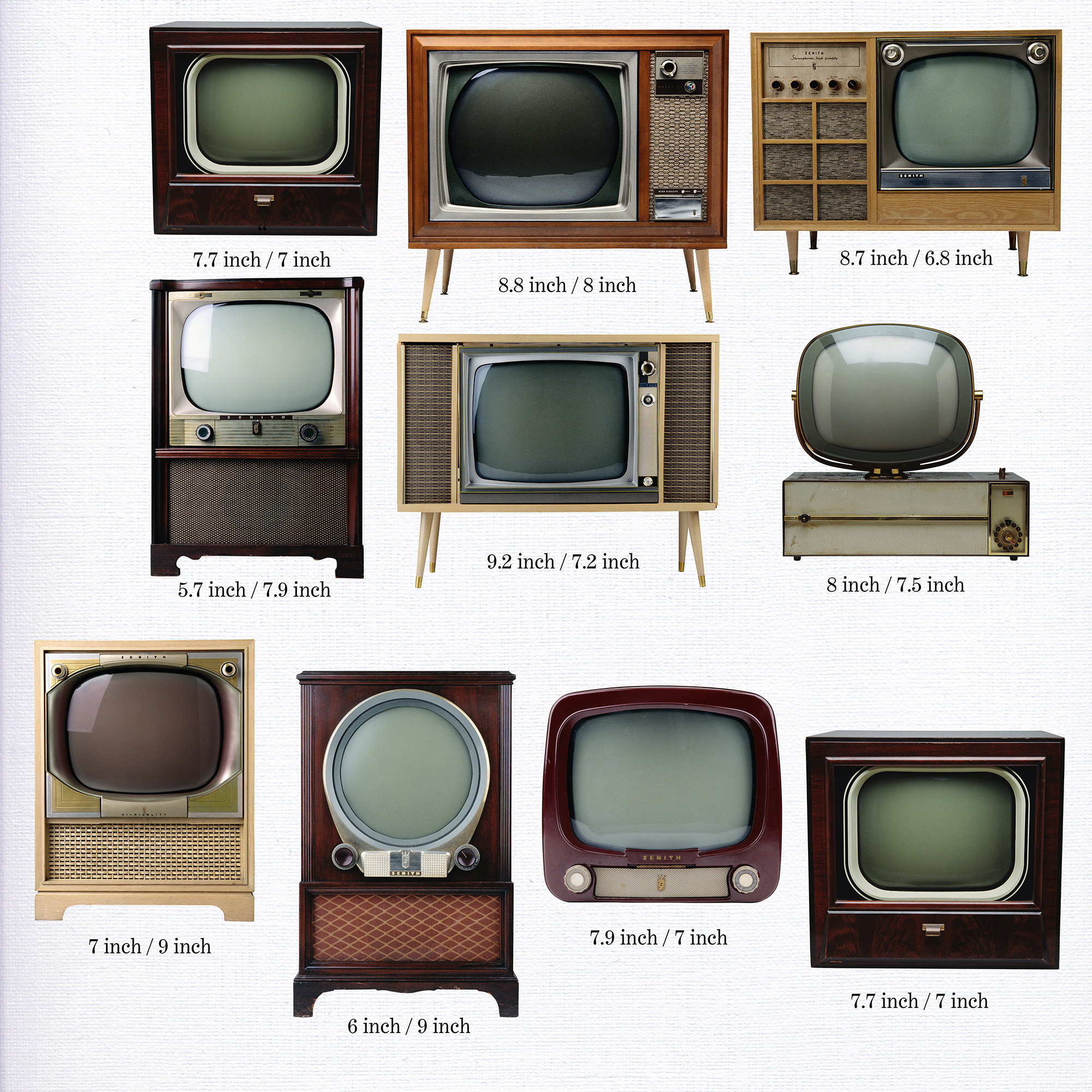
Wooden console TVs were a common sight in many homes from the 1940s to the 1960s. These televisions were built into large wooden cabinets that often doubled as furniture. Their presence gave living rooms a warm and classic look. These sets stood out because of their unique style and size, reflecting the design trends of their time.
Design And Build
Wooden console TVs featured sturdy wood frames, usually made from oak, walnut, or mahogany. The wood was polished to a smooth finish, showing off natural grains. These TVs often had built-in speakers hidden behind fabric panels. The screen was small compared to the whole cabinet size. The design aimed to blend technology with home decor.
Cultural Significance
During the mid-20th century, wooden console TVs were a symbol of modern living. Families gathered around these sets to watch shows and news together. They helped bring people closer in a time before personal gadgets. These TVs also represented progress and comfort in many households. Their style reflected the popular tastes of the era.
Collectibility Today
Today, wooden console TVs attract collectors and vintage lovers. They are rare and often restored to their original beauty. Collectors value the craftsmanship and nostalgic appeal. These TVs add charm to retro-themed rooms or displays. Owning one connects people to a piece of television history.
Black And White Tvs
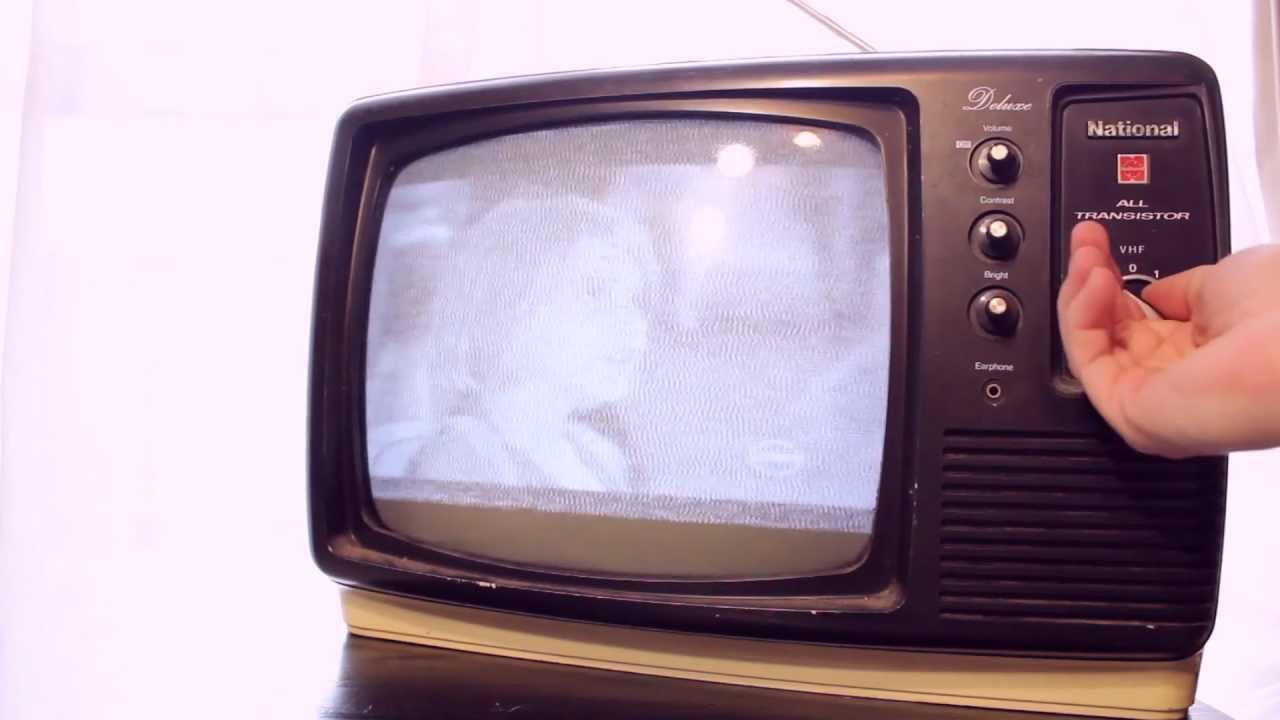
Black and white TVs were the first type of television sets used by many households. They showed images without any color, using only shades of gray. These TVs brought moving pictures into living rooms for the first time. Watching black and white TV was a new and exciting experience for people.
Historical Context
Black and white TVs appeared in the early 20th century. They became popular after World War II. Many families bought these TVs during the 1950s and 1960s. They were the main way to watch news, shows, and sports. This type of TV helped spread information and entertainment widely.
Technical Features
Black and white TVs use cathode ray tubes to display images. They show pictures in different shades of gray. The screen size was small compared to modern TVs. These TVs had simple controls for volume and tuning. Sound was mono, meaning it came from one speaker only.
Transition To Color
The move from black and white to color TVs started in the 1960s. Color TV sets showed images in full color, making viewing more lifelike. Many people kept their black and white TVs for years. Color TV gradually became cheaper and more common. This change marked a new era in television technology.
Frequently Asked Questions
What Are The Main Types Of Old Tvs?
Old TVs include CRT, rear-projection, plasma, and early LCD models. Each type uses different technology for displaying images. CRT TVs were the most common before flat screens.
How Does A Crt Tv Work?
CRT TVs use a cathode ray tube to create images. Electrons hit a fluorescent screen to show pictures. This technology made TVs bulky but reliable.
What Is A Rear-projection Tv?
Rear-projection TVs project images from inside the box onto the screen. They became popular for larger screen sizes in the 1990s. These TVs are deeper than modern flat screens.
Why Were Plasma Tvs Popular In The Past?
Plasma TVs offered bright colors and wide viewing angles. They were common for bigger screens before LCDs improved. However, they used more power than other types.
How Do Old Lcd Tvs Differ From Modern Ones?
Early LCD TVs had lower resolution and slower response times. They used backlights to show images but were less sharp. Modern LCDs are thinner and have better picture quality.
Conclusion
Old TVs come in many types, each with unique features. Some use tubes, others use flat screens. They show how technology has changed over time. Many people enjoy collecting these classic sets. They remind us of simpler days and fun moments.
Understanding these TVs helps appreciate today’s smart screens. Each type tells a story about past entertainment. Exploring old TVs can be both fun and educational. They hold a special place in TV history. Keep these types in mind when learning about old TVs.