
When it comes to military communication, the radios used are far from ordinary. You rely on these devices to stay connected, coordinate missions, and ensure safety in challenging environments.
But did you know there are several types of military radios designed for different purposes and situations? From handheld units you carry on foot to powerful systems installed on vehicles and aircraft, each radio serves a unique role in the battlefield.
If you want to understand how these radios work and which type might suit your needs—whether you’re a military enthusiast, a prepper, or just curious—this guide will walk you through the essential types of military radios and what makes them special. Keep reading to discover how these communication tools keep soldiers connected around the globe.
Radio Categories
Military radios come in various types to meet specific mission needs. Each radio category serves a unique role on the battlefield. Understanding these categories helps grasp how communication flows in complex operations.
Radios differ mainly by size, mobility, and deployment platform. Some are carried by soldiers, others mounted on vehicles or aircraft. Each type supports different communication ranges and functions.
Handheld Radios
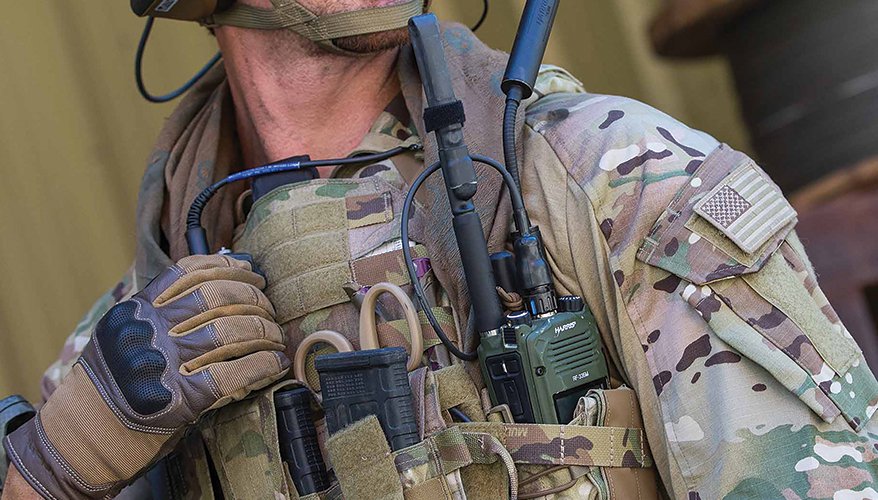
Handheld radios are small and portable. Soldiers carry them easily during missions. They provide short to medium-range communication. These radios often have encryption for secure transmissions. Ideal for squad-level coordination and quick exchanges.
Manpack Radios
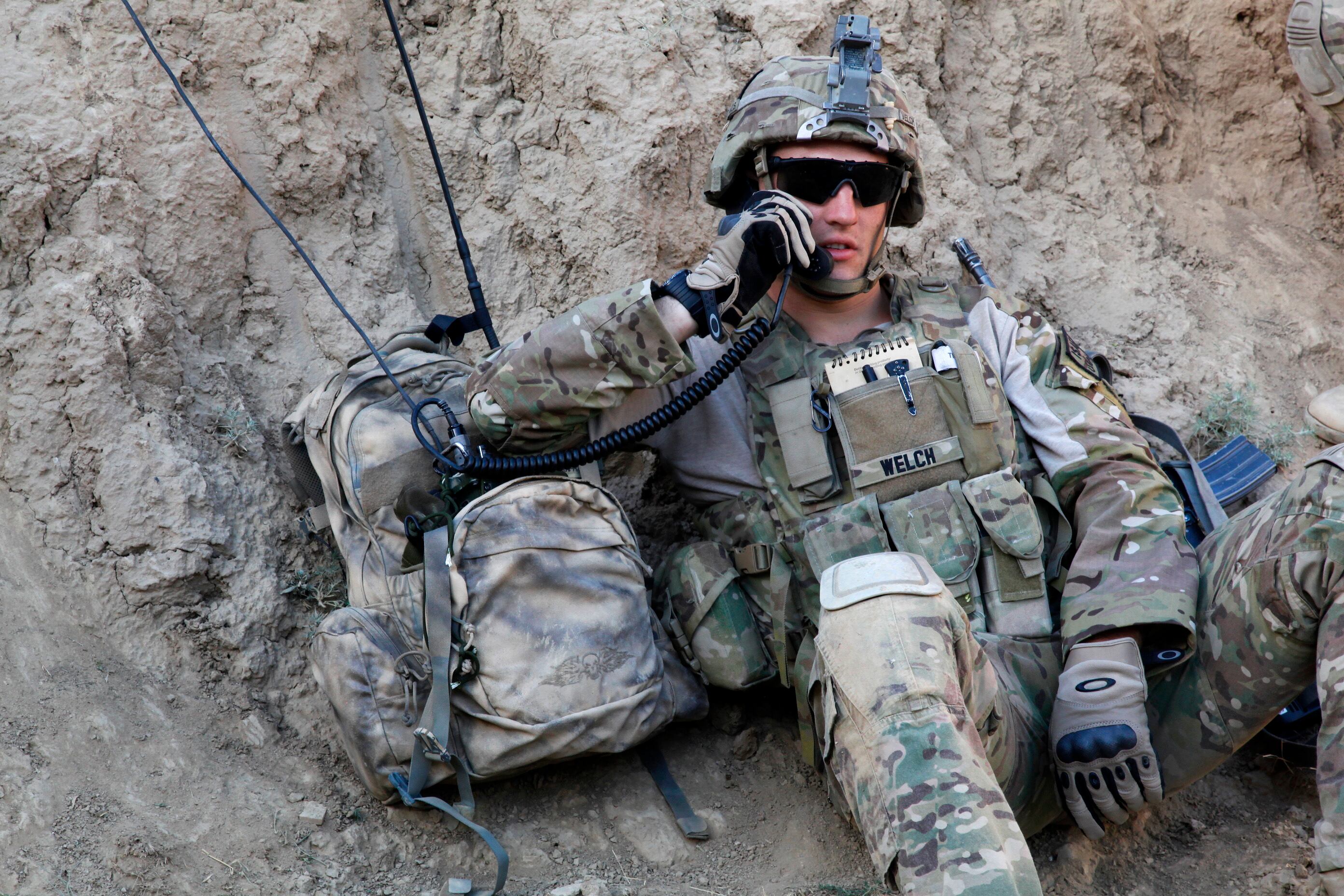
Manpack radios are larger than handhelds but still portable. Soldiers carry them on their backs using straps. They offer longer range and stronger signals. Manpack radios support voice and data links. Common in tactical units needing reliable communication beyond short distances.
Vehicle-mounted Radios
Vehicle-mounted radios install inside military vehicles. They provide stable, high-power communication. These radios link troops on the move with command centers. They often connect to antennas on the vehicle roof. Useful for armored vehicles and transport trucks.
Airborne Radios
Airborne radios equip aircraft like helicopters and planes. They enable secure communication in the air and with ground units. These radios handle different frequency bands for various mission needs. Critical for air support and reconnaissance operations.
Shipboard Systems
Shipboard radio systems operate on naval vessels. They support long-range communication across the ocean. These systems manage voice, data, and emergency signals. Ship radios connect fleets and shore commands. Designed to withstand harsh marine environments.
Frequency Bands
Military radios operate across different frequency bands to meet varied communication needs. Each band has unique characteristics that affect range, clarity, and usage. Understanding these frequency bands helps explain how military radios perform in diverse environments. This section explores four key bands used in military communications.
Very High Frequency (vhf)
VHF ranges from 30 MHz to 300 MHz. It works well for short to medium distances. VHF signals travel through obstacles like trees and buildings better than higher frequencies. This band is common for ground troops and vehicle radios. It offers clear voice communication in open and urban areas.
Ultra High Frequency (uhf)
UHF covers 300 MHz to 3 GHz. It supports better penetration through walls and dense foliage. UHF radios are ideal for urban combat and indoor use. This band also supports data transmission and secure encrypted signals. Military forces use UHF for tactical operations requiring reliable, close-range communication.
Super High Frequency (shf)
SHF operates between 3 GHz and 30 GHz. It is used for point-to-point links, radar, and satellite communication. SHF offers high data rates and low interference. Military units rely on SHF for command centers and long-distance, high-bandwidth connections. This band requires line-of-sight for effective transmission.
Extremely High Frequency (ehf)
EHF ranges from 30 GHz to 300 GHz. It enables secure, jam-resistant communication. EHF is vital for satellite and space-based military systems. This band supports very high data speeds but has limited range. Weather conditions can affect EHF signals more than lower frequencies.
Communication Range
Military radios are designed with different communication ranges to suit various battlefield needs. The range determines how far a radio signal can travel and maintain clear communication. Each type of radio fits a unique tactical role, from close-quarter talks to global communication.
Short-range Tactical
Short-range radios work best within a few hundred meters. Soldiers use them for quick, clear talks inside buildings or nearby areas. These radios are lightweight and easy to carry. They help teams stay connected during close missions. Their limited range saves battery power and reduces signal detection risk.
Medium-range Squad Nets
Medium-range radios cover distances up to several kilometers. Squads or small units rely on these radios for coordination in larger areas. They balance range and portability well. These radios often use VHF or UHF bands for better signal quality. They keep squads linked while moving across open terrain or urban zones.
Long-range Beyond-line-of-sight
Long-range radios communicate beyond the visible horizon. They use high-frequency bands to send signals over tens or hundreds of kilometers. These radios connect distant units or command centers. They work well in rugged or remote areas. Operators depend on them for strategic planning and support calls.
Satellite Communications
Satellite radios offer global coverage via orbiting satellites. They provide secure voice and data links anywhere on Earth. These radios are vital for missions far from traditional networks. Satellite communication remains reliable despite terrain or weather challenges. They enable real-time updates and command control worldwide.
Core Technologies
Military radios rely on advanced core technologies to ensure clear, secure communication in all conditions. These technologies enable radios to adapt to changing environments and threats. They support voice and data transmission across various ranges and terrains.
Understanding these core technologies helps explain how military radios maintain reliability and security. They provide flexibility and protection from interception or jamming.
Software-defined Radios
Software-defined radios (SDRs) use software to control radio functions. This allows quick updates without changing hardware. SDRs can switch frequencies, waveforms, and modes easily. This flexibility suits diverse missions and environments.
SDRs support multiple communication standards in one device. They improve interoperability between different military units. These radios reduce equipment weight and complexity.
Frequency Hopping Spread Spectrum
Frequency hopping spread spectrum (FHSS) changes radio frequencies rapidly during transmission. This makes signals harder to detect or jam. FHSS improves communication security on the battlefield.
By hopping between frequencies, radios avoid interference and eavesdropping. This technique increases the chance of message delivery. It also helps maintain communication in crowded radio environments.
Secure Waveforms
Secure waveforms encode data to prevent unauthorized access. They use encryption and special signal formats. This protects sensitive information from interception.
Secure waveforms support both voice and data communication. They ensure messages remain confidential and intact. Military radios use waveforms designed for resilience against noise and jamming.
Communication Security (comsec)
Communication security, or COMSEC, protects transmissions from interception and tampering. It includes encryption devices and secure key management. COMSEC ensures only authorized users can read messages.
COMSEC also covers authentication to verify users’ identities. This prevents enemy forces from mimicking friendly radios. Military radios integrate COMSEC measures as standard features for safe operations.
Applications
Military radios serve critical roles in various operational environments. They enable secure, clear communication across different branches of the armed forces. Each type of radio fits specific applications, tailored to mission needs and terrain. Understanding these applications highlights the importance of choosing the right radio system for effective military communication.
Ground Forces
Ground forces rely on radios for battlefield communication and coordination. Handheld and manpack radios provide mobility and instant voice contact. These radios support infantry, armored units, and artillery teams. They help relay commands, report positions, and call for support. Secure encryption prevents enemy interception. Radios also enable data sharing for situational awareness.
Airborne Operations
Airborne units use radios to maintain contact during flight and landing. These radios connect pilots, aircrews, and ground controllers. High-frequency and ultra-high-frequency radios ensure long-range communication. Radios support navigation, mission updates, and emergency signals. They must withstand vibration and altitude changes. Clear communication is vital for mission success and safety.
Naval Communications
Naval forces depend on radios for ship-to-ship and ship-to-shore communication. VHF and UHF radios cover short and medium ranges over water. Radios coordinate fleet movements, relay orders, and share intelligence. They also assist in search and rescue operations. Naval radios often include satellite links for global reach. Reliability and resistance to harsh marine conditions are essential.
Joint Command And Control
Joint operations require radios that connect all military branches seamlessly. Radios enable real-time data exchange between ground, air, and naval units. They support command centers in planning and directing missions. Software-defined radios allow multi-band communication for flexibility. Secure channels protect sensitive information. Effective command and control rely on reliable radio links across forces.
Operational Benefits
Military radios offer key operational benefits that enhance mission success. These devices support vital communication with features designed for harsh environments. Efficient power use, dependable timing, simplicity, and security remain top priorities. These benefits improve coordination and safety in critical situations.
Battery Efficiency
Military radios are built to conserve battery life during long missions. Low power consumption extends operation without frequent recharging. This is crucial when soldiers operate far from power sources. Efficient batteries reduce weight by minimizing spare battery needs. Reliable power helps maintain communication throughout a mission.
Reliable Scheduling
These radios support scheduled check-ins and transmissions. Set times for communication help units coordinate effectively. Predictable contact times prevent missed messages and confusion. Reliable scheduling ensures all team members stay informed. It improves overall mission timing and response.
Ease Of Use
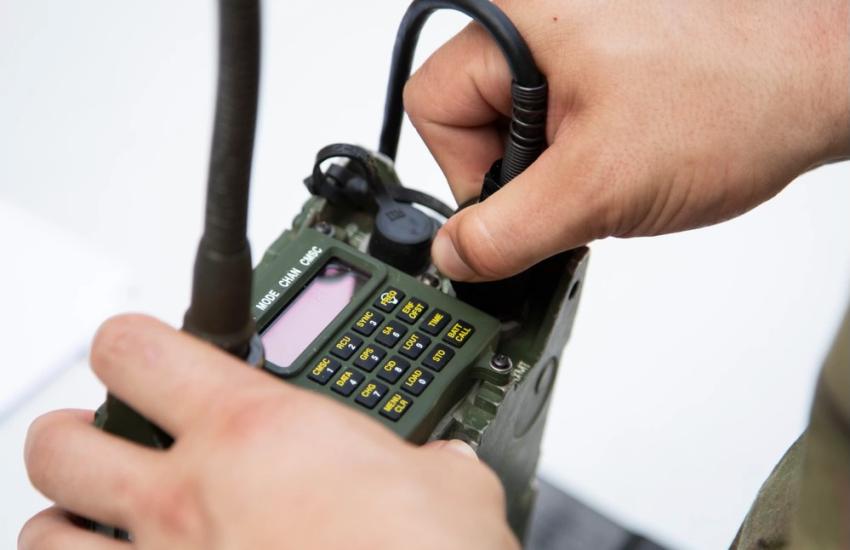
Military radios feature simple controls for quick operation. Clear buttons and intuitive layouts reduce user errors. Ease of use is vital during stressful combat situations. Soldiers can focus on tasks rather than complex device settings. This simplicity speeds up communication and decision-making.
Encrypted Data Sharing
Secure encryption protects sensitive information from interception. Military radios use strong encryption methods to safeguard transmissions. Encrypted data ensures only authorized users access critical information. This security prevents enemy forces from gaining intelligence. It builds trust and confidence in radio communication.
Frequently Asked Questions
What Are The Different Types Of Military Radios?
Military radios include handheld, manpack, vehicle-mounted, airborne, and shipboard types. Frequencies cover HF, VHF, UHF, SHF, and EHF bands. They provide secure, encrypted voice and data communication for short to long-range tactical operations. Software-defined radios enhance flexibility and multi-band capability.
What Is The 3 3 3 Rule For Radio?
The 3-3-3 rule for radio means: listen for 3 seconds, speak for 3 seconds, then pause for 3 seconds. It improves clarity and prevents overlapping transmissions.
What Are The 5 Means Of Communication In The Military?
The five means of communication in the military are whistle signals, semaphore flags, Morse code, special signals, and arm/hand signals. These methods ensure clear, quick, and effective communication during operations.
What Is The Best Military Radio?
The best military radio depends on mission needs. Popular choices include AN/PRC handhelds, manpacks, and vehicle-mounted radios with secure, encrypted, multi-band communication capabilities. Modern radios use software-defined technology for versatile, reliable tactical communication across various ranges and environments.
Conclusion
Military radios come in many types, each serving a clear purpose. Handheld radios help soldiers stay connected nearby. Manpack radios offer longer range for small teams. Vehicle and airborne radios support communication on the move. Different frequency bands suit different mission needs.
Secure and reliable communication remains crucial in operations. Understanding these radios helps appreciate military communication’s complexity. Clear signals save lives and improve teamwork. Choosing the right radio depends on the mission’s demands. This knowledge helps anyone grasp military radio technology basics.