
Are you thinking about upgrading your TV but feel overwhelmed by all the options out there? Understanding the different types of LED TVs can help you make the best choice for your home and budget.
Whether you want the brightest picture, the deepest blacks, or a screen that fits perfectly in your space, knowing the key differences will save you time and money. Keep reading to discover which LED TV matches your needs and how to spot the features that really matter to you.
Your perfect TV is closer than you think!
Led Tv Basics
Understanding the basics of LED TVs helps you choose the right screen. LED TVs are popular for their bright images and slim designs. These TVs use small light bulbs called LEDs to light up the screen. Knowing how they work can make shopping easier and more clear.
How Led Tvs Work
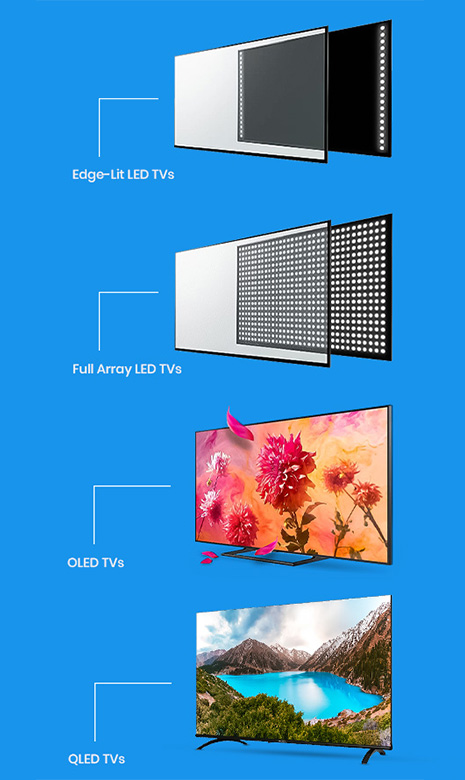
LED TVs use tiny light bulbs behind the screen. These bulbs shine light through a layer of liquid crystals. The crystals change to create colors and images you see. The LED lights can be placed around the edges or behind the screen. This setup helps make the picture brighter and clearer.
Led Vs Lcd Tvs
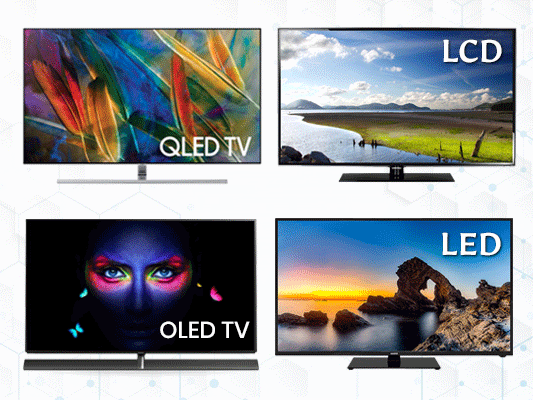
LED TVs are a type of LCD TV. The main difference is the light source. LCD TVs use cold cathode fluorescent lamps (CCFLs) to light the screen. LED TVs use light-emitting diodes (LEDs) instead. LEDs use less power and last longer. They also allow for thinner and lighter screens.
Edge-lit Led Tvs
Edge-Lit LED TVs are a popular choice for many buyers. These TVs use LED lights placed around the edges of the screen. The light spreads across the screen using a special panel. This design allows the TV to be very thin and stylish.
The edge lighting helps make the screen bright. It also allows manufacturers to create slim TV models. These TVs often look modern and fit well in small spaces. Edge-Lit LED TVs offer good picture quality for everyday use.
Design And Backlighting
Edge-Lit LED TVs have LEDs along the screen’s edges. A light guide panel spreads this light behind the screen. This setup lets the TV stay thin and light. Many models are just a few inches thick.
The backlighting is less complex than other LED types. It does not have LEDs behind the entire screen. This makes manufacturing simpler and cheaper. The design helps reduce the weight of the TV.
Pros And Cons
Edge-Lit TVs are usually more affordable than other LED TVs. Their thin design fits well in tight spaces. They use less power than full-array LED TVs. This helps save on electricity bills.
On the downside, edge lighting can cause uneven brightness. Dark scenes may look less detailed. This happens because light spreads from the edges only. Viewing angles might also be narrower compared to other LED types.
Still, they work well for regular TV watching. Perfect for living rooms or bedrooms with normal lighting.
Direct-lit Led Tvs
Direct-Lit LED TVs offer a simple yet effective way to light up the screen. They use LEDs placed directly behind the entire screen. This design differs from edge-lit models, where LEDs are on the sides. The direct placement helps spread light evenly across the display.
This type of LED TV often costs less than other LED types. It delivers decent picture quality for everyday viewing. People who want clear images without a high price may find direct-lit LED TVs a good fit.
Backlight Placement
In direct-lit LED TVs, LEDs sit right behind the screen. The lights cover the whole back area uniformly. This setup reduces dark spots and uneven lighting. It also helps keep the screen brightness steady. The direct backlight makes the TV thicker than edge-lit models.
Image Quality
Direct-lit LED TVs show solid colors and clear images. They have good brightness and decent contrast. Black levels may not be as deep as in more advanced TVs. Some slight blooming can appear around bright objects on dark backgrounds. Still, the picture is sharp enough for most uses.
Full-array Led Tvs
Full-array LED TVs offer a unique way to light up the screen. Unlike edge-lit TVs, these models have LEDs spread evenly behind the entire screen. This layout gives better control of the picture’s brightness and darkness. It helps deliver clearer images and deeper colors. Many viewers prefer full-array LED TVs for their strong picture quality and consistent lighting.
Local Dimming Technology
Local dimming is a key feature of full-array LED TVs. It turns off or dims LEDs in dark screen areas. This reduces light bleed and improves black levels. The TV adjusts lighting zone by zone for sharper contrast. Local dimming also helps save energy by using less power in dark scenes. This technology makes images look more natural and lifelike.
Brightness And Contrast
Full-array LED TVs shine in brightness and contrast. Their even LED placement allows high brightness levels across the screen. This makes details visible even in bright rooms. Contrast improves because dark areas stay truly dark. The difference between bright and dark parts of the image becomes clear. This creates a more immersive viewing experience with vivid colors.
Mini-led Tvs
Mini-LED TVs are a new type of LED TV with many small LED lights. These tiny LEDs replace the traditional larger LEDs behind the screen. This change helps the TV show better colors and deeper blacks. The screen looks brighter and sharper, making watching TV more enjoyable.
Smaller Led Advantages
Mini-LEDs are much smaller than regular LEDs. This size allows more LEDs to fit behind the screen. More LEDs mean better control of light zones. The TV can turn off small parts of the screen for true black. This reduces light bleed and makes images clearer.
Improved Picture Performance
Mini-LED TVs offer higher brightness and better contrast. Colors appear more vivid and natural. Shadows look deeper without losing details. The picture stays sharp even in bright rooms. Motion scenes are smoother with less blur. Overall, the viewing experience feels more lifelike and immersive.
Micro-led Tvs
Micro-LED TVs are a new type of LED television. They use tiny light-emitting diodes to create images. Each diode works like a small pixel. This makes the picture very clear and bright. The colors look rich and natural. These TVs offer deep blacks and wide viewing angles. They also use less power than traditional LED TVs. Micro-LED technology blends the best features of OLED and LED screens.
Self-emissive Technology
Micro-LED TVs use self-emissive technology. Each tiny LED lights up on its own. This means no need for a backlight. The screen can show true black by turning off pixels. This improves contrast and picture quality. Self-emissive screens respond faster to images. This reduces blurring in fast scenes. The technology allows better control over brightness and color.
Future Of Led Tvs
Micro-LED TVs point to the future of LED technology. They can be made in many sizes and shapes. Large screens with perfect image quality are possible. Durability is better than OLED TVs. These TVs do not suffer from burn-in issues. Prices are high now but expected to drop. More brands will offer Micro-LED models soon. This technology may become common in homes and theaters.
Qled Tvs
QLED TVs are a popular type of LED TV that offer bright and vibrant images. They use special technology to improve picture quality. Many people choose QLED TVs for their sharp colors and brightness. These TVs work well in bright rooms and provide a clear view from different angles.
Quantum Dot Technology
QLED TVs use tiny particles called quantum dots. These dots emit light when electricity passes through them. This process helps create more precise colors. The technology allows the TV to show a wider color range than regular LED TVs. It also helps improve the screen’s brightness and energy efficiency.
Color And Brightness Benefits
QLED TVs produce vivid and rich colors. They display bright whites and deep blacks clearly. This contrast makes images look more realistic. The high brightness level helps in well-lit rooms. Colors do not wash out, even under sunlight. It makes watching TV more enjoyable and comfortable for the eyes.

Oled Vs Led Tvs
OLED and LED TVs are popular choices for home entertainment. Each uses different technology to show images. Knowing how they differ helps you pick the right TV for your needs.
Differences In Technology
OLED TVs use organic compounds that light up when electricity passes through. Each pixel can turn on or off individually. This creates deep blacks and bright colors.
LED TVs use a backlight behind an LCD screen. The backlight shines through liquid crystals to make images. The backlight is always on, so blacks are not as deep.
Performance Comparison
OLED TVs have better contrast and wider viewing angles. Colors look more natural and vivid. They perform well in dark rooms.
LED TVs are brighter and work better in well-lit rooms. They last longer and cost less. Some models offer good color and sharpness too.
Choosing The Right Led Tv
Choosing the right LED TV can make a big difference in your viewing experience. Many factors affect which TV suits your needs best. Understanding these factors helps you pick a TV that fits your space, budget, and how you plan to use it.
Screen Size And Resolution
Screen size matters for comfort and space. A larger screen works well in big rooms. Smaller screens fit better in tight spaces. Resolution affects picture quality. Full HD offers clear images for most users. 4K resolution shows more detail and sharper images. Choose a size and resolution that match your room and viewing distance.
Budget Considerations
Set a budget before buying. LED TVs come in many price ranges. Basic models offer good quality at low prices. Higher-end TVs have better features but cost more. Balance your needs with what you can spend. Avoid overspending on features you might not use.
Usage Scenarios
Think about how you will use the TV. For casual watching, a standard LED TV is enough. For gaming, look for low input lag and fast refresh rates. Watching movies benefits from better contrast and color accuracy. Knowing your main use helps choose the best model for your lifestyle.
Frequently Asked Questions
What Are The Main Types Of Led Tvs Available?
LED TVs mainly include Edge-lit, Direct-lit, and Full-array types. Each differs in backlight placement and picture quality. This affects brightness and contrast levels.
How Does Edge-lit Led Tv Differ From Full-array?
Edge-lit LED TVs have lights around the screen edges. Full-array TVs have lights behind the whole screen. This makes full-array TVs brighter with better contrast.
What Is The Advantage Of Direct-lit Led Tvs?
Direct-lit LED TVs have lights directly behind the screen. This offers more even lighting than Edge-lit TVs. They usually cost less than Full-array TVs.
Which Led Tv Type Offers The Best Picture Quality?
Full-array LED TVs provide the best picture quality. They allow for local dimming, improving black levels. This results in clearer and more vibrant images.
Are Led Tvs Energy Efficient Compared To Other Types?
Yes, LED TVs use less power than older LCD or plasma TVs. They use LED backlights which consume less electricity. This helps save energy and reduce bills.
Conclusion
Choosing the right LED TV depends on your needs and budget. Each type offers unique features and picture quality. Consider screen size, resolution, and smart functions. Think about where you will place the TV. Remember, a good TV makes watching shows and movies more fun.
Take time to compare models before buying. This helps you find the best fit for your home. Enjoy your new TV experience with clear and bright images. Simple choices lead to better viewing moments every day.