
Are you looking to buy a new LED TV but feel overwhelmed by all the panel types out there? Understanding the different types of LED TV panels can make a huge difference in your viewing experience.
Whether you want vibrant colors, deep blacks, or wide viewing angles, knowing which panel suits your needs can help you choose the perfect TV. You’ll discover the key types of LED TV panels and how each one can impact what you see on the screen.
Keep reading to make a smart choice that fits your home and your budget.
Led Tv Panel Varieties
LED TVs use different panel types to show images. Each panel has unique features. This affects picture quality, colors, and viewing angles.
Choosing the right panel type helps you enjoy TV better. It also fits your room lighting and watching habits.
Ips Panels
IPS stands for In-Plane Switching. These panels offer wide viewing angles. Colors stay consistent even from the side. They work well in bright rooms. IPS panels show natural colors and good brightness. They are popular for general TV watching.
Va Panels
VA means Vertical Alignment. These panels have high contrast levels. Blacks look deeper and more vivid. This makes movies and dark scenes better. VA panels have narrower viewing angles. They are best for watching straight on. These panels suit darker rooms well.
Oled Panels
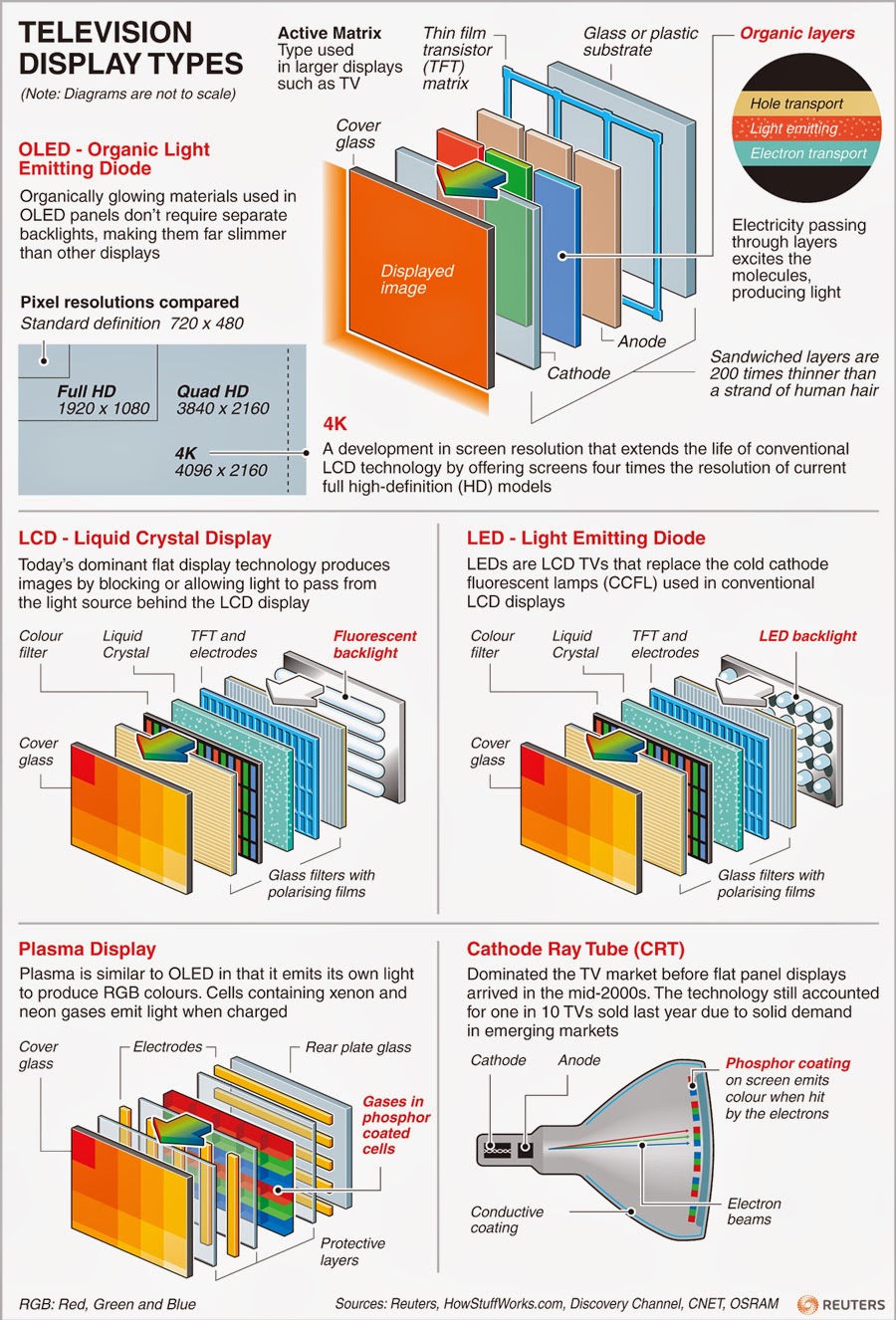
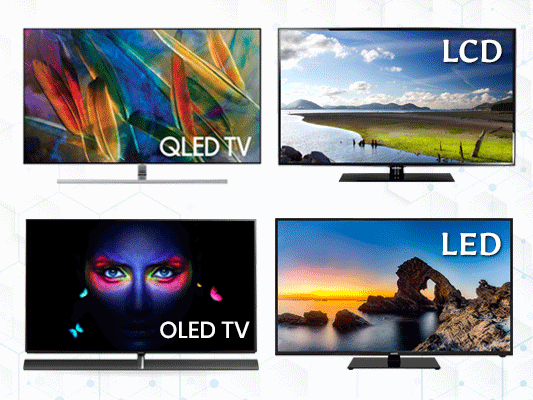
OLED stands for Organic Light Emitting Diode. Each pixel lights up on its own. This creates perfect black colors and bright highlights. OLEDs offer excellent contrast and color accuracy. Viewing angles are wide and colors stay true. These panels are thin and flexible. They cost more but provide great image quality.
Qled Panels
QLED means Quantum Dot LED. These panels use tiny dots to improve color. They produce bright and vivid images. QLED TVs work well in bright rooms. Colors are sharp and clear. They have good energy efficiency. QLED panels are a popular choice for bright spaces.
Twisted Nematic (tn) Panels
Twisted Nematic (TN) panels are one of the oldest and most common types of LED TV panels. They use liquid crystals twisted to control light passing through the screen. TN panels are known for their fast response times and affordable prices. These panels are popular in budget-friendly LED TVs and monitors. They work well in many everyday viewing situations.
Performance Characteristics
TN panels offer very quick response times. This helps reduce motion blur in fast scenes. Their refresh rates are often higher than other panel types. Colors on TN panels are less vibrant and less accurate. Viewing angles are narrow, so picture quality drops from the side. Brightness levels are usually moderate but enough for indoor use.
Pros And Cons
TN panels cost less to produce and buy. They have fast response times and low input lag. These panels use less power compared to some others. Color accuracy and viewing angles are weak points. Blacks are not very deep, leading to less contrast. Picture quality can suffer if viewed off-center.
Best Use Cases
TN panels suit casual TV watching and basic home use. They work well for sports and action scenes. Budget buyers find TN TVs attractive due to low price. These panels fit well in bright rooms with direct lighting. Not ideal for movie lovers or color-critical work. Good choice for gaming on a budget with fast response needs.
In-plane Switching (ips) Panels
In-Plane Switching (IPS) panels are a popular type of LED TV screen technology. These panels are known for their ability to show consistent and clear images. IPS panels use liquid crystals that move parallel to the screen, which helps improve picture quality. They offer better color and wider viewing angles than other panel types.
Color Accuracy
IPS panels display colors more accurately. They keep colors true to life, even in bright scenes. This makes watching movies and shows more enjoyable. Colors do not wash out or look dull, providing a natural look.
Viewing Angles
IPS panels have wide viewing angles. You can watch the screen from the side without losing picture quality. Colors and brightness stay consistent, even at sharp angles. This is useful for group viewing and large rooms.
Ideal Applications
IPS panels work well for everyday TV watching. They are great for living rooms and family rooms. These panels also suit places where many people watch together. They fit well in spaces where image quality matters.
Vertical Alignment (va) Panels
Vertical Alignment (VA) panels are a popular type of LED TV screen. They offer a good balance between color quality and performance. VA panels have liquid crystals that align vertically when off. This design helps block more light, creating deeper blacks and richer colors. Many users prefer VA panels for watching movies and TV shows because of their strong contrast.
Contrast Ratio Benefits
VA panels have higher contrast ratios than other panel types. They show darker blacks and brighter whites. This makes images look more vivid and sharp. Dark scenes in movies appear clearer and more detailed. The strong contrast helps reduce eye strain during long viewing sessions.
Brightness Levels
VA panels provide good brightness for most rooms. They can reach moderate levels that work well in dim or moderately lit spaces. Bright rooms might cause some glare or reflections. Still, VA panels balance brightness and contrast to offer pleasing picture quality.
Usage Scenarios
These panels suit home theaters and living rooms. They perform well for watching movies, sports, and TV shows. VA panels are less ideal for fast-moving games due to slower response times. They work best in settings where deep blacks and vivid colors matter most.
Quantum Dot Led Panels (qled)
Quantum Dot LED Panels, known as QLED, offer a new way to improve TV displays. These panels use tiny particles called quantum dots to create images. They bring sharper colors and brighter screens compared to many other LED TVs.
Technology Insights
QLED panels use quantum dots that emit light when hit by an LED backlight. These dots vary in size, controlling the color of light they produce. Smaller dots give blue light, while larger dots produce red. This precise control creates clearer, more vivid images on screen.
The quantum dots sit between the LED backlight and the LCD layer. This setup improves the display’s brightness and color range without adding much thickness to the TV.
Color And Brightness
Quantum dots enhance color accuracy by producing purer colors. This means you see reds, greens, and blues closer to real life. The brightness levels are also higher, making images look good even in bright rooms. Dark scenes appear deep and detailed thanks to better contrast.
Advantages Over Traditional Panels
QLED TVs last longer and use less power than some older panel types. They handle bright and dark scenes better, offering a balanced picture. These panels also avoid color fading, so the image stays vibrant for years. Their brightness helps with viewing in daylight, a plus for many users.
Mini-led Panels
Mini-LED panels represent a modern leap in LED TV technology. They use thousands of tiny LEDs to light the screen. This design improves picture quality and brightness. The technology offers better control over light and dark areas on the screen.
Backlighting Technology
Mini-LED panels use very small LEDs for backlighting. These LEDs are much smaller than traditional ones. This allows more LEDs to fit behind the screen. More LEDs mean better control of light. This control helps show deeper blacks and brighter whites. It creates a more vivid picture for viewers.
Enhanced Contrast
Contrast is the difference between dark and bright parts of an image. Mini-LED panels improve contrast by dimming parts of the screen precisely. This feature reduces light bleed and glare. The result is sharper images with more details. Dark scenes look richer, and bright scenes pop more.
Market Trends
Mini-LED TVs are becoming more common in stores. Many brands use this technology in their new models. Prices are dropping as production improves. Consumers want better picture quality without paying too much. Mini-LED offers a good balance of price and performance. This trend shows Mini-LED will grow in popularity soon.
Comparing Led Panel Types
LED TVs come with different panel types. Each type has unique features. Understanding these differences helps in choosing the right TV. Comparing LED panel types covers image quality, price, and durability. These factors matter for your viewing experience and budget.
Image Quality Differences
LED panel types affect how clear and bright the picture looks. IPS panels offer wide viewing angles and good color accuracy. VA panels show deeper blacks and higher contrast but have narrower viewing angles. OLED panels, though not LED, provide the best contrast and color but are pricier. For LED TVs, VA panels suit dark rooms. IPS panels work well in bright rooms.
Price Range
Price varies by panel type and brand. IPS panels tend to be more affordable. VA panels usually cost a bit more due to better contrast. High-end LED TVs with advanced panels can be expensive. Choosing a panel depends on your budget and needs. Cheaper models suit casual viewers. Premium panels fit users wanting better picture quality.
Durability And Lifespan
LED panels generally last long with proper care. IPS panels may have a slight risk of backlight bleed over time. VA panels often maintain their contrast longer. Avoid screen burn-in by not leaving static images for hours. LED TVs usually last 5 to 7 years. Lifespan depends on usage and environment. Regular cleaning and moderate brightness help extend life.
Choosing The Right Led Panel
Choosing the right LED TV panel is important for a good viewing experience. Different panels suit different needs and rooms. Picking the right one can save money and improve picture quality.
Based On Usage Needs
Think about how you will use the TV. For watching movies, look for panels with deep black levels. For sports, choose panels with fast refresh rates to avoid blur. For general TV watching, a standard panel works well.
Room Lighting Considerations
Room lighting affects how the screen looks. Bright rooms need panels with high brightness to see the picture clearly. Dark rooms benefit from panels with better contrast for richer colors. Consider the light in your room before choosing a panel.
Budget Factors
Set a budget before buying an LED TV. Higher-end panels cost more but offer better picture quality. Basic panels are cheaper but may lack some features. Balance your budget with the features you need for the best value.
Frequently Asked Questions
What Are The Main Types Of Led Tv Panels?
LED TV panels mainly include IPS, VA, and OLED types. Each type offers different color, brightness, and viewing angles. Choosing depends on your viewing needs.
How Does Ips Panel Differ From Va Panel?
IPS panels have wider viewing angles and better color accuracy. VA panels offer higher contrast and deeper blacks but narrower viewing angles. Both suit different room settings.
What Is The Benefit Of Oled Led Tv Panels?
OLED panels provide true black colors and excellent contrast. Each pixel lights up individually, improving picture quality. They are ideal for dark-room viewing.
Which Led Tv Panel Is Best For Gaming?
VA panels usually have faster response times and better contrast. IPS panels offer better colors and viewing angles but may have slower response. Choose based on your gaming style.
Are Led Tv Panels Energy Efficient?
Most LED TV panels use less power than older LCD or plasma TVs. OLED panels can be more energy efficient due to pixel-level lighting. This helps reduce electricity costs.
Conclusion
Choosing the right LED TV panel affects your viewing experience a lot. Different panels offer various colors, brightness, and angles. Some are better for dark rooms, others for bright spaces. Think about where you watch TV the most. Also, consider what picture quality matters to you.
Knowing these types helps you pick wisely. Enjoy clear and sharp images with the right panel. Your TV time will feel more enjoyable and comfortable. Keep these points in mind when shopping for a new TV.