
Are you thinking about buying a new TV but feel overwhelmed by all the options out there? Understanding the different types of LCD TVs can help you make the right choice for your home and budget.
Whether you want a sharp picture for movie nights or a screen that fits perfectly in your living room, knowing the key differences matters. You’ll discover the main types of LCD TVs, what makes each unique, and how to pick the best one for your needs.
Keep reading to find out which LCD TV will give you the best viewing experience and value for your money.

Lcd Tv Basics
LCD TVs are popular for their clear images and slim design. They use a special technology that lights up tiny pixels to create pictures. These TVs are common in homes and offices because they save space and energy.
Understanding how LCD TVs work helps you choose the right model. It also explains why they show colors and images the way they do. Let’s explore the basics of LCD TV technology.
How Lcd Tvs Work
LCD stands for Liquid Crystal Display. This means the screen has liquid crystals that control light. These crystals do not produce light themselves. Instead, a backlight shines through them to create images.
The crystals twist and turn when electricity passes through. This changes how much light passes through each pixel. Different amounts of light create different colors and brightness on the screen.
The backlight is usually made of LED lights. These LEDs help keep the TV thin and bright. Together, the liquid crystals and backlight make clear and sharp pictures.
Key Features
LCD TVs have several important features. They use less power than older TV types. This makes them energy-efficient and cost-saving.
The screens are thin and lightweight. This allows easy wall mounting and moving. LCD TVs also show bright colors and good contrast.
Many models come with HD or 4K resolution. This means more pixels and better image detail. Some LCD TVs include smart functions for apps and internet use.
Twisted Nematic (tn) Panels
Twisted Nematic (TN) panels are one of the oldest types of LCD technology. They use liquid crystals that twist to control light passing through the screen. TN panels are popular in many LCD TVs and monitors because they are affordable and fast. These panels work well for basic TV watching and general use.
Advantages
TN panels have fast response times, which reduce motion blur. They are cheaper to produce than other panel types. This makes TVs with TN panels more affordable. TN panels also use less power, saving energy. They perform well in bright rooms due to good brightness levels. Many users prefer TN panels for simple, everyday viewing.
Limitations
TN panels have narrow viewing angles. Colors can look different when you watch from the side. They do not show deep blacks or rich colors well. This limits picture quality for movies or high-quality content. The color accuracy is lower compared to other panels. For tasks needing precise colors, TN panels are less suitable.
In-plane Switching (ips) Panels
In-Plane Switching (IPS) panels are a popular type of LCD technology. They improve screen performance in ways that many users appreciate. IPS panels use a special liquid crystal alignment. This design helps in producing better colors and wider viewing angles. Many people choose IPS TVs for watching movies, sports, and playing games. The technology ensures consistent image quality across the screen.
Color Accuracy
IPS panels show colors more naturally and vividly. The liquid crystals align horizontally, allowing light to pass evenly. This feature reduces color distortion. Colors look closer to real life. IPS TVs are great for watching colorful content like nature documentaries. They keep colors stable even in bright rooms. This makes the viewing experience more enjoyable and true to the original.
Viewing Angles
One strong point of IPS panels is their wide viewing angles. The picture remains clear and bright from the side. This means several people can watch the TV without color loss. The image does not fade or shift when seen from different positions. IPS technology works well in large rooms or open spaces. It offers flexibility in seating arrangements without sacrificing picture quality.
Vertical Alignment (va) Panels
Vertical Alignment (VA) panels are a popular type of LCD TV screen. They use liquid crystals that align vertically when the screen is off. This design helps control light better and produces deep blacks. VA panels offer a good balance between color and contrast.
Many people prefer VA panels for watching movies and TV shows. These panels show darker scenes with more detail. The contrast is stronger compared to other LCD types. This makes the picture look richer and more vivid.
Contrast Levels
VA panels have high contrast ratios. This means they show very dark blacks and bright whites. The contrast can be up to 3000:1 or more. It is better than the typical 1000:1 found in other LCD screens. High contrast improves picture depth and realism. Dark scenes look clearer and more detailed.
Best Use Cases
VA panels work well in dim rooms. They show dark images with less light bleed. This makes movies and dramas more enjoyable to watch. They are good for TV watching and casual gaming. VA panels may have slower response times. So fast-paced games might show some blur. Still, they provide a great picture for everyday use.
Led Backlighting Types
LED backlighting is a key feature in modern LCD TVs. It affects picture quality, brightness, and energy use. Different types of LED backlighting offer unique benefits and drawbacks. Understanding these types helps choose the right TV for your needs.
Edge-lit Leds
Edge-lit LED TVs place LEDs along the screen’s edges. Light spreads across the screen using a diffuser. This design makes TVs thinner and lighter. Edge-lit models are usually less expensive. They may have uneven brightness in dark scenes.
Full-array Leds
Full-array LED TVs have LEDs behind the entire screen. This setup allows better control of light zones. It improves contrast and black levels. These TVs offer brighter images and more detail. They tend to be thicker and cost more than edge-lit models.
Mini-led Technology
Mini-LED technology uses much smaller LEDs behind the screen. This allows thousands of tiny lights for precise control. It boosts contrast and reduces light bleed. Mini-LED TVs show deeper blacks and vivid colors. They combine the benefits of full-array with improved brightness and thinness.
4k And 8k Lcd Tvs
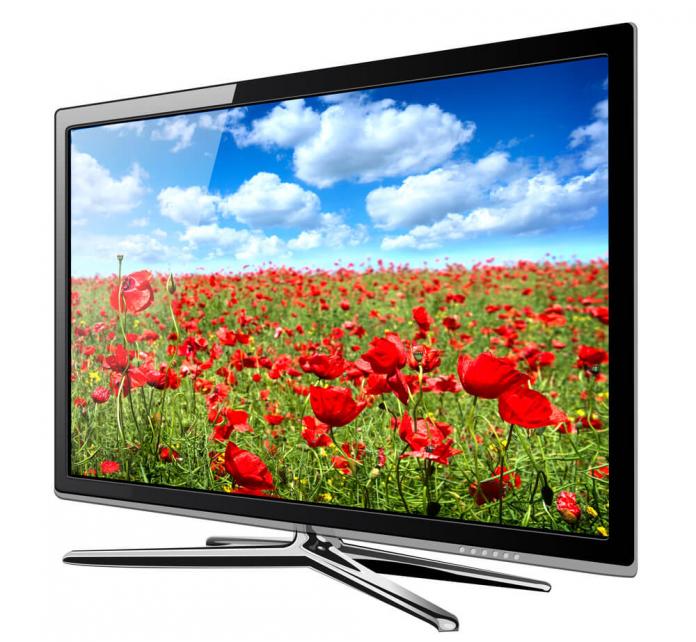
4K and 8K LCD TVs offer sharp and clear pictures. They have many more pixels than older TVs. This means images look detailed and lifelike. These TVs are perfect for watching movies, sports, and playing video games. The difference between 4K and 8K lies in the number of pixels. 8K has four times more pixels than 4K, making it even clearer.
Resolution Benefits
4K TVs have about 8 million pixels. This creates sharp images and smooth edges. 8K TVs have over 33 million pixels. This makes the picture very detailed, even on large screens. High resolution helps show small text and fine details. The colors and contrast appear better too. This improves your viewing experience overall.
Content Availability
4K content is common on streaming platforms and Blu-rays. Many TV shows and movies are in 4K now. 8K content is rare but growing slowly. Some YouTube videos and tech demos use 8K. Most 8K TVs can upscale 4K or HD content. This makes older videos look better on 8K screens.
Smart Lcd Tvs
Smart LCD TVs combine traditional LCD screens with internet connectivity. They allow users to stream videos, browse apps, and enjoy interactive content. These TVs bring the internet directly to your living room. They offer more than just watching cable or satellite TV.
Built-in Features
Smart LCD TVs come with built-in Wi-Fi or Ethernet ports. They support streaming services like Netflix and YouTube. Many include voice control and app stores. Users can download games, news apps, and social media. Some models also offer screen mirroring from smartphones. This makes sharing photos or videos easy.
Popular Platforms
Different brands use different smart platforms. Samsung uses Tizen, while LG runs webOS. Android TV is common on many brands like Sony and TCL. These platforms offer various apps and updates. Each platform has a simple interface for easy use. They also support popular voice assistants like Google Assistant or Alexa.
Choosing The Right Lcd Tv
Choosing the right LCD TV can make a big difference in your viewing experience. Many factors affect which TV fits your needs best. Size, budget, and how you will use the TV matter a lot. This guide helps you find the perfect LCD TV for your home.
Budget Considerations
Set a clear budget before shopping for an LCD TV. TVs come in many price ranges. More expensive models often have better picture and sound quality. However, budget-friendly TVs can still offer good performance. Look for features that match your budget and needs.
Room Size And Viewing Distance
Measure the room where you want to place the TV. The size of the room affects the ideal TV size. A large TV works well in a big room with a long viewing distance. Smaller rooms need smaller TVs to avoid eye strain. Choose a screen size that fits your space comfortably.
Usage Preferences
Think about how you will use the TV most often. Watching movies, sports, or playing video games require different features. For movies, choose a TV with good color and contrast. For sports, a TV with fast refresh rates is best. Gamers benefit from low input lag and high refresh rates. Match the TV’s features to your daily use.
Frequently Asked Questions
What Are The Main Types Of Lcd Tvs Available Today?
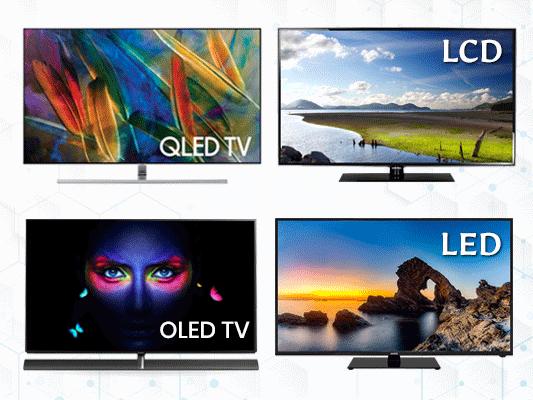
The main types include TN, IPS, and VA panels. Each type offers different color, viewing angle, and response time.
How Do Ips Lcd Tvs Differ From Va Lcd Tvs?
IPS TVs have better viewing angles and color accuracy. VA TVs provide higher contrast and deeper blacks.
Why Choose A 4k Lcd Tv Over Full Hd?
4K TVs show four times more detail than Full HD. This means sharper, clearer pictures on large screens.
What Is The Benefit Of Led Backlighting In Lcd Tvs?
LED backlighting improves brightness and energy efficiency. It also allows thinner TV designs compared to older LCD types.
Can Lcd Tvs Display Fast-moving Sports Clearly?
Yes, especially models with higher refresh rates. They reduce motion blur, making sports and action scenes clearer.
Conclusion
Choosing the right LCD TV depends on your needs and budget. Each type offers different features and picture quality. Some models use LED backlighting for better brightness. Others focus on wide viewing angles or energy efficiency. Knowing these types helps you pick a TV that fits your space.
Think about what matters most: size, clarity, or price. This makes your choice easier and smarter. Enjoy watching with the best LCD TV for you.