
Are you curious about the different types of digital radio stations and how they can transform your listening experience? Whether you’re a casual listener or someone thinking about starting your own station, understanding the variety of digital radio formats can open up new ways to enjoy music, news, and talk shows.
From HD Radio to DAB+ and beyond, each type offers unique features that might just change how you tune in. Keep reading to discover the main types of digital radio stations and find out which one suits your needs best.
This knowledge will empower you to make smarter choices about your audio entertainment and maybe even inspire you to get involved in the digital radio revolution yourself.

Broadcast Standards
Broadcast standards define the technology and format digital radio stations use. These standards ensure clear sound, better coverage, and efficient use of frequencies. Different countries and regions adopt various broadcast standards to meet their specific needs. Understanding these standards helps listeners know what devices and services to expect. Below are some key broadcast standards used worldwide for digital radio.
Iboc Technology
IBOC stands for In-Band On-Channel. It allows digital signals to broadcast alongside traditional AM or FM signals. This technology helps stations switch from analog to digital without extra spectrum. HD Radio is a popular example of IBOC technology. It improves sound quality and adds extra channels and data services. Listeners need compatible receivers to enjoy the benefits of IBOC.
Dab And Dab+
DAB means Digital Audio Broadcasting. It is common in Europe and parts of Asia. DAB+ is an advanced version with better audio compression. This allows more stations to fit into the same frequency space. DAB and DAB+ offer clearer sound and fewer dropouts than analog radio. Most new radios support DAB+ to access a wider range of stations.
Digital Radio Mondiale
Digital Radio Mondiale, or DRM, targets AM bands and shortwave frequencies. It delivers near-FM quality sound over long distances. DRM works well in rural and remote areas with limited infrastructure. It supports audio, text, and data services in one signal. DRM is widely used in parts of Africa, Asia, and Latin America for digital radio broadcasting.
Isdb-tsb System
ISDB-TSB is a digital radio system mainly used in Japan and Brazil. It is part of the Integrated Services Digital Broadcasting family. ISDB-TSB supports mobile and fixed digital radio reception. This system offers robust signal quality even in urban areas. It also allows multimedia content alongside audio broadcasts. ISDB-TSB helps broadcasters deliver diverse services to listeners.
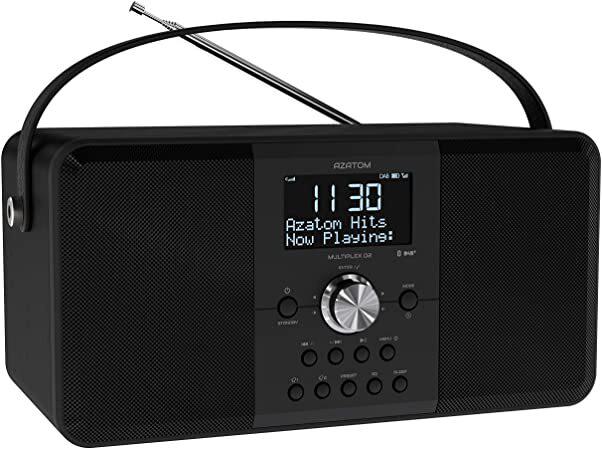
Types Of Digital Radio Stations
Digital radio stations provide clearer sound and more channels than traditional radio. They use advanced technology to deliver music, news, and entertainment. Different types of digital radio stations exist worldwide. Each type uses unique methods to broadcast digital signals.
Hd Radio Stations
HD Radio stations broadcast digital signals alongside analog signals. They offer better sound quality on AM and FM bands. Listeners enjoy more channels and extra features. HD Radio uses In-Band On-Channel (IBOC) technology. It allows digital and analog signals to share the same frequency.
Dab Stations
DAB stands for Digital Audio Broadcasting. It is popular in Europe and other regions. DAB stations transmit digital signals over a specific frequency band. This method supports many radio stations on one frequency. DAB offers clear sound and more program choices. DAB+ is an enhanced version with better audio and efficiency.
Drm Stations
DRM means Digital Radio Mondiale. It works mainly on AM and shortwave bands. DRM stations provide near-FM sound quality on long distances. This technology helps reach remote and rural areas. DRM uses digital compression to save bandwidth. It also supports text and data services along with audio.
Fmextra Stations
FMeXtra is a digital radio system for FM stations. It adds digital channels alongside traditional analog broadcasts. This system uses subcarriers to transmit digital audio and data. FMeXtra allows stations to offer extra content without new frequencies. It improves sound clarity and expands programming options.
Station Formats
Digital radio stations come in various formats that cater to different audiences and purposes. Each format offers unique content, style, and goals. Understanding these formats helps listeners find the stations that best fit their interests. Here are the main types of digital radio station formats you can explore.
Commercial Stations
Commercial stations focus on profit by selling advertisements. They often play popular music, news, and entertainment to attract large audiences. These stations aim to keep listeners engaged with catchy shows and promotions. Their funding mostly comes from sponsors and advertisers.
Public Broadcasting
Public broadcasting stations serve the community with educational and cultural programs. They provide news, documentaries, and public affairs shows. These stations rely on government support and listener donations instead of ads. Their goal is to inform and enrich the public.
Community Radio
Community radio stations focus on local issues and voices. They give a platform to minority groups and grassroots movements. Programs often include local news, music, and talk shows. These stations are usually run by volunteers and funded by donations.
Campus And Student Radio
Campus radio stations are managed by students and educational institutions. They offer diverse content, including music, talk shows, and campus news. These stations help students learn broadcasting skills. They also connect the campus community with fresh, creative programs.
Hospital Radio
Hospital radio stations provide entertainment and comfort to patients. They play soothing music and health-related programs. Staffed by volunteers, these stations focus on improving patients’ well-being. The broadcasts often include messages and requests from patients.
Advantages Of Digital Radio
Digital radio offers many benefits compared to traditional analog radio. It provides clearer sound, more station choices, and better reliability. Listeners enjoy a richer audio experience with less noise and interruptions. Digital radio also supports extra features that enhance user convenience and engagement.
The advantages make digital radio a popular choice for broadcasters and audiences alike. It improves the quality and consistency of radio transmission. Plus, it helps save battery life on portable devices. Scheduling broadcasts becomes more accurate and dependable too.
Interference-free Transmission
Digital radio signals are less likely to suffer from static or noise. The technology encodes sound into digital data, which is more stable. This means listeners get a clear and consistent audio experience. Interference from weather or buildings has little effect on signal quality.
Additional Features
Digital radio stations often include extra content like song titles and artist names. Some radios display images or provide text news updates. These features make listening more interactive and informative. Stations can also offer multiple channels on the same frequency.
Battery Efficiency
Digital radios use less power than analog radios. They require less energy to decode digital signals. This helps portable radios last longer on a single charge or set of batteries. It is especially useful for users who listen on the go.
Reliable Scheduling
Digital radio allows broadcasters to plan and deliver programs more precisely. It supports automated scheduling systems that ensure shows start on time. Listeners can trust the program lineup without unexpected delays. This reliability improves the overall listening experience.
Differences Between Analog And Digital
Understanding the differences between analog and digital radio stations helps to appreciate how radio technology evolved. Analog radio uses continuous signals to transmit sound, while digital radio sends data in binary form. This change affects how listeners experience radio broadcasts in terms of sound, coverage, and equipment.
Signal Quality
Analog radio signals can suffer from static and interference. Noise can make sound unclear, especially far from the transmitter. Digital radio provides clearer sound without static. It uses error correction to fix signal problems. This results in consistent and high-quality audio for listeners.
Coverage And Reach
Analog radio signals weaken as distance from the station grows. Terrain and buildings can block signals, causing dead zones. Digital radio can cover larger areas with fewer gaps. It uses efficient encoding that allows more stations on the same frequency. Listeners get reliable reception in places where analog may fail.
Receiver Requirements
Analog radios are simple and widely available. They only need a basic tuner to pick up signals. Digital radio requires special receivers that decode digital data. These radios support extra features like text and images. Users must have digital-capable devices to enjoy digital broadcasts fully.
Global Adoption
Digital radio stations have spread across the world, changing how people listen to music and news. Different countries adopt digital radio at different speeds. This depends on their technology, market demand, and regulations.
Understanding global adoption helps us see how digital radio grows and adapts worldwide. It also reveals the challenges stations face in reaching new listeners.
Country-specific Standards
Each country sets its own rules for digital radio. For example, Europe mainly uses DAB and DAB+. The United States prefers HD Radio technology. Japan developed ISDB-Tsb for digital radio. These standards affect what radios people buy and what stations can broadcast. Compatibility between countries is limited due to these different systems.
Market Availability
Digital radio is not available everywhere. Some countries have many digital stations. Others still rely on traditional AM/FM broadcasts. Market size and listener interest play big roles. Urban areas often get digital radio first. Rural regions may wait longer for services to arrive. Manufacturers also focus on markets with higher sales potential.
Technological Challenges
Setting up digital radio requires advanced technology. Broadcasters need new equipment and infrastructure. Listeners must buy compatible radios. Signal coverage can be tricky in hilly or remote areas. Interference issues may occur with older analog systems. These factors slow down the spread of digital radio in some regions.
Frequently Asked Questions
What Are The Different Types Of Digital Radio?
Digital radio types include DAB/DAB+, HD Radio (AM/FM IBOC), Digital Radio Mondiale (DRM), and FMeXtra. Each offers clear, digital audio.
What Is The 3 3 3 Rule For Radio?
The 3 3 3 rule for radio means: speak 3 words per second, pause for 3 seconds, and repeat key points 3 times.
What Are The Different Types Of Radio Stations?
Radio stations include AM and FM types. Subtypes feature commercial, non-commercial educational, public, community, campus, and hospital radio. Digital radio types consist of HD Radio, DAB, DAB+, and Digital Radio Mondiale (DRM). Each serves unique audiences with varied content and technology.
What Is The Difference Between Dab And Dab+ Stations?
DAB+ improves audio quality and efficiency over DAB by using advanced compression. DAB+ radios play both DAB and DAB+ stations, but older DAB-only radios can’t decode DAB+ broadcasts.
Conclusion
Digital radio stations offer many choices for listeners today. Each type serves different needs and preferences. Some focus on music, others on news or talk shows. Digital technology improves sound quality and station variety. People can enjoy clearer signals and more channels.
Understanding these types helps you find the best fit. Whether local or global, digital radio keeps you connected. Explore the options and enjoy your listening experience.