
Are you confused about the different types of cable TV service available? You’re not alone.
Choosing the right cable TV can feel overwhelming with so many options out there. But knowing the key types can help you make smarter choices for your entertainment needs. You’ll discover the main types of cable TV service, how they work, and which one might be the best fit for you.
Keep reading to unlock the secrets to better TV viewing and get the most value from your cable subscription.
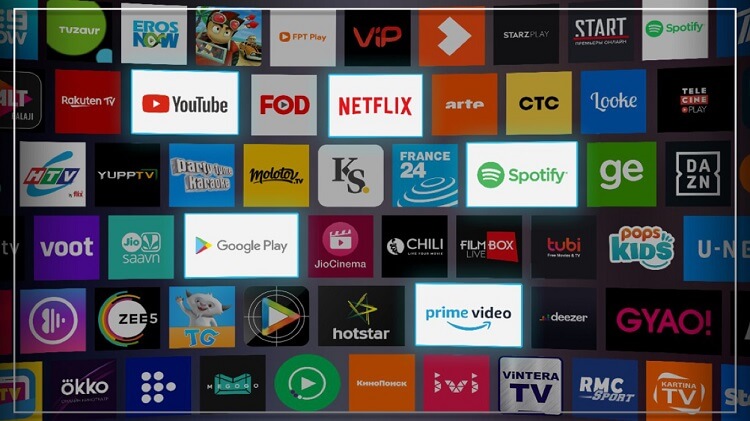
Cable Tv Basics
Cable TV remains a popular choice for many households. It delivers a wide range of channels directly to your television. Understanding the basics helps you choose the right service. It also makes it easier to use and enjoy your TV experience.
How Cable Tv Works
Cable TV sends signals through a network of cables. These cables connect to your home’s cable box or TV. The signals carry video and audio from various channels. The cable box decodes these signals. Then, it displays the programs on your screen. This system allows access to many channels at once.
Common Features
Cable TV offers many features to improve viewing. Most services include a guide to browse channels. You can record shows to watch later. Some packages offer on-demand movies and series. Parental controls help manage what kids watch. High-definition channels provide better picture quality. These features make cable TV flexible and user-friendly.
Analog Cable
Analog cable is one of the oldest types of cable TV service. It sends TV signals using continuous electrical waves. This method was popular before digital cable became widespread. Many homes still use analog cable for basic TV channels. It provides a simple way to watch local and cable stations.
Signal Transmission
Analog cable transmits signals as continuous waves. These waves carry video and audio information together. The TV tuner decodes these waves into pictures and sound. The quality depends on the strength of the signal. Signal loss can cause static or fuzz on the screen. Analog signals are sensitive to interference from weather or electrical noise.
Advantages And Limitations
Analog cable is easy to set up and use. It works with older TV sets without special equipment. The service often costs less than digital cable. On the downside, picture and sound quality is lower. Channels may appear blurry or have poor color. There are fewer channels available than digital cable offers. Analog cable lacks advanced features like on-demand or HD channels.
Digital Cable
Digital cable is a popular type of cable TV service. It uses digital signals to send TV programs. This method offers a clearer picture and better sound than older analog systems. It also supports more channels and new features. People enjoy digital cable for its quality and options.
Improved Picture Quality
Digital cable delivers sharp and bright images. The picture is clearer with less noise or fuzziness. It supports high-definition (HD) channels for a better viewing experience. Colors look more natural and vibrant. Watching sports or movies feels more real and enjoyable.
Interactive Services
Digital cable offers interactive features for viewers. You can use on-screen guides to find shows quickly. Some systems let you pause, rewind, or record live TV. Games and quizzes may be available on certain channels. These services make watching TV more fun and easy.
Hd Cable
HD Cable brings a clear and sharp picture to your TV screen. It offers better image quality than standard cable. This service delivers bright colors and fine details. Watching your favorite shows and movies becomes more enjoyable with HD Cable.
High Definition Channels
HD Cable provides many channels in high definition. Sports, movies, and documentaries all look better. The picture is crisp and vivid. You can see small details clearly. This makes the viewing experience more real and immersive.
Equipment Needed
To watch HD Cable, you need specific equipment. A high-definition television is essential. You also need an HD cable box from your provider. This box decodes the HD signal for your TV. Using the right cables ensures the best quality. HDMI cables are recommended for HD viewing.
On-demand Cable
On-demand cable lets viewers watch shows and movies whenever they want. It gives control over what to watch and when. No need to follow TV schedules. This service stores content on a server. Users can select titles and start watching instantly.
Video On Demand Features
On-demand cable offers many useful features. It includes pause, rewind, and fast forward. Viewers can resume watching from where they stopped. The service often provides subtitles and multiple language options. Some platforms suggest shows based on past viewing. It supports various devices like TVs, tablets, and phones. Users can watch without ads on some plans. Content is often updated regularly with new releases.
Popular On-demand Services
Several popular services provide on-demand cable content. Netflix offers a vast library of movies and series. Hulu combines live TV with on-demand shows. Amazon Prime Video includes exclusive films and popular titles. Disney+ features family-friendly movies and series. HBO Max streams original shows and blockbuster films. These services often require a subscription. They offer flexible plans and free trials to try.
Iptv Services
IPTV services deliver television content through the internet instead of traditional cable or satellite signals. This method uses your internet connection to stream live TV channels and on-demand videos. IPTV offers a modern way to watch your favorite shows, movies, and sports events.
Internet-based Cable
Internet-based cable, or IPTV, sends TV programs over the internet. It uses a broadband connection to stream video content directly to your device. Unlike traditional cable, IPTV does not need cables or satellite dishes. You can watch on smart TVs, computers, or mobile devices. IPTV often includes interactive features like pause, rewind, and video on demand.
Benefits And Challenges
IPTV brings many benefits. It offers more flexibility and choice in what to watch. Users can access content anytime and anywhere with an internet connection. IPTV also supports high-definition video and multiple devices at once.
There are challenges too. IPTV requires a strong and stable internet connection. Poor internet can cause buffering and lower video quality. Some services may have limited content depending on the provider. Technical issues might need troubleshooting by users or support teams.
Cable Bundles
Cable bundles combine multiple services into one package. They offer TV, internet, and phone together. Bundles aim to save money and simplify billing. Many households prefer bundles for their ease and value.
Tv, Internet, And Phone Packages
Bundles usually include a cable TV plan with many channels. Internet service is part of the package, often with high speeds. Phone service adds landline calls to the mix. Customers get all three services from one provider. This setup reduces the hassle of managing different bills. Providers offer different bundle levels to fit various needs.
Cost And Convenience
Bundles often cost less than buying services separately. Savings come from discounts when combining services. One bill for all services simplifies monthly payments. Customer support is easier with a single provider. Bundles help avoid multiple contracts and separate fees. They suit families wanting a simple, budget-friendly option.

Choosing The Right Service
Choosing the right cable TV service can be confusing. Many options exist, and each offers different features. Picking the best service means thinking about your needs and budget carefully.
Focus on what matters most to you. This way, you avoid paying for channels or features you don’t use. Understanding the types of services helps make a smart choice.
Factors To Consider
Start by listing what you want from your cable service. Channel variety, picture quality, and price are key points. Consider if you want extra features like DVR or on-demand shows.
Think about the contract terms. Some providers require long commitments, while others offer month-to-month plans. Check if there are hidden fees or installation costs. Customer service quality is important too. Reliable support saves time and frustration.
Comparing Providers
Look at different companies in your area. Compare channel packages and prices side by side. Some providers may offer promotions for new customers. Read reviews to learn about user experiences.
Check the technology used. Some providers offer digital cable with better picture clarity. Others provide internet bundles that can save money. Make sure the service fits your home setup and lifestyle.

Frequently Asked Questions
What Are The Main Types Of Cable Tv Services?
Cable TV services include analog, digital, and internet protocol TV (IPTV). Each type offers different picture quality and channel options. Digital and IPTV are more common today.
How Does Digital Cable Tv Differ From Analog?
Digital cable TV provides clearer pictures and sound than analog. It also offers more channels and interactive features. Analog is older and less common now.
What Is Iptv And How Does It Work?
IPTV delivers TV content over the internet, not traditional cables. It allows on-demand viewing and live streaming. IPTV needs a good internet connection.
Can Cable Tv Services Include Internet And Phone Bundles?
Yes, many providers offer bundles with cable TV, internet, and phone. Bundles often save money and simplify billing. They are popular for home use.
Why Choose Digital Or Iptv Over Traditional Cable Tv?
Digital and IPTV offer better picture quality and more features. They also provide on-demand content and interactive options. Traditional cable is more limited.
Conclusion
Choosing the right cable TV service depends on your needs and budget. Basic cable offers essential channels at a low cost. Digital cable provides better picture quality and more options. Premium services include movies, sports, and special programs. Some services also offer on-demand and DVR features.
Think about what you watch most and how much you want to spend. The right choice makes TV time more enjoyable and stress-free. Explore your options and pick what fits you best. Simple and clear choices help you enjoy TV every day.