
Are you struggling to get a clear TV signal at home? Choosing the right analog TV antenna can make all the difference in how you enjoy your favorite shows.
But with so many types available, it’s easy to feel overwhelmed. What kind of antenna suits your needs best? You’ll discover the main types of analog TV antennas and how each one can improve your viewing experience. By the end, you’ll know exactly which antenna fits your setup and how to get the best signal possible.
Keep reading to unlock the secret to crystal-clear TV reception!
Indoor Antennas
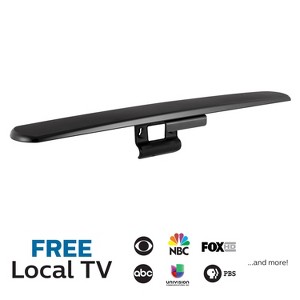
Indoor antennas are popular for analog TV watching inside homes. They are small, easy to set up, and do not need outdoor installation. These antennas work best in areas with good signal strength.
Indoor antennas come in different types. Each type has unique shapes and ways to catch TV signals. Understanding these types helps choose the right one for your needs.
Dipole Antennas
Dipole antennas are among the simplest indoor antennas. They usually have two metal rods arranged in a straight line. These rods pick up signals well from nearby TV towers.
Dipole antennas are affordable and easy to move. They work best in places with strong signals. They need to be placed near a window or wall for better reception.
Loop Antennas
Loop antennas are circular or square-shaped indoor antennas. They catch signals by using a loop of wire or metal. This design helps reduce interference from other devices.
Loop antennas are good for areas with medium signal strength. They are compact and can fit on shelves or desks. Their shape helps improve signal clarity for analog TV.
Flat Panel Antennas
Flat panel antennas are thin and rectangular, resembling a small flat screen. They are modern and blend well with home decor. These antennas often use advanced technology to catch signals.
Flat panel antennas work well in urban areas with many TV channels. They can be mounted on walls or windows. Their sleek design makes them a popular indoor antenna choice.
Outdoor Antennas
Outdoor antennas are a common choice for analog TV users. They capture signals from distant broadcast towers. These antennas are placed outside, usually on rooftops or poles. Their design helps to pick up weak signals better than indoor antennas. Different types of outdoor antennas suit various needs and locations. Understanding these types helps you choose the right one for your setup.
Yagi Antennas
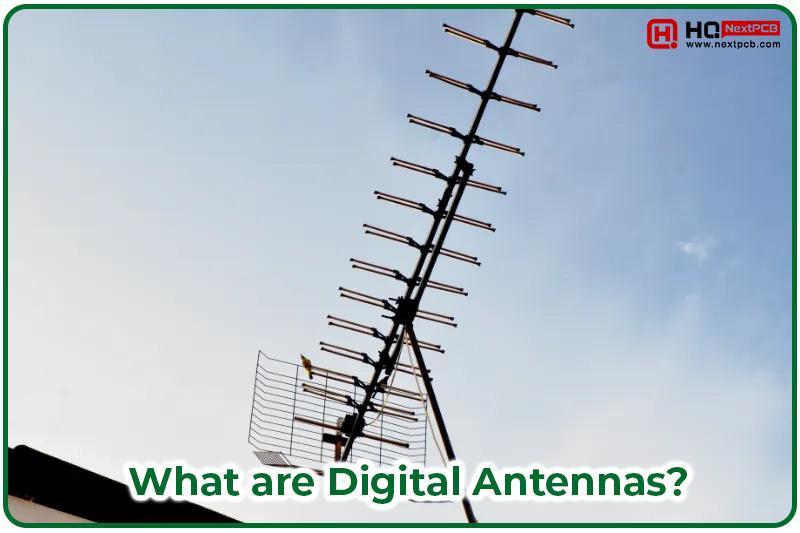
Yagi antennas are popular for outdoor TV reception. They have a long, narrow shape with several metal rods. These rods work together to focus on signals from one direction. Yagi antennas provide strong signal strength and good range. They work well in rural areas or places with weak signals. Easy to install and adjust, they are a reliable option.
Log Periodic Antennas
Log periodic antennas look similar to Yagi types but have a wider design. They cover a broader range of frequencies. This feature helps capture more channels at once. Log periodic antennas handle changing signal directions better. They suit areas with multiple broadcast towers in different directions. These antennas offer a balance between range and frequency coverage.
Parabolic Antennas
Parabolic antennas use a dish shape to collect signals. The dish focuses signals onto a small receiver. This design gives very high signal gain. Parabolic antennas work best for very weak or distant signals. They are bigger and more complex to install. Ideal for remote locations, they provide strong and clear reception.
Directional Vs Omnidirectional
Analog TV antennas come in two main types: directional and omnidirectional. Each type receives signals differently. Choosing the right antenna depends on your location and signal sources.
Directional antennas point toward a specific direction to catch signals. They focus on one area, making them strong for distant signals. Omnidirectional antennas gather signals from all around. They work well if signals come from many directions.
Advantages Of Directional Antennas
Directional antennas provide stronger signal quality. They reduce interference from unwanted sources. These antennas are good for rural areas. They help pick up weak or far signals better. Directional antennas also improve picture and sound clarity. They focus on one direction for better reception.
Advantages Of Omnidirectional Antennas
Omnidirectional antennas catch signals from every direction. They work well in cities with many signal sources. These antennas need less adjustment once installed. They are ideal if signals come from different places. Omnidirectional antennas are easier to set up. They offer stable reception in changing signal conditions.
Specialty Antennas
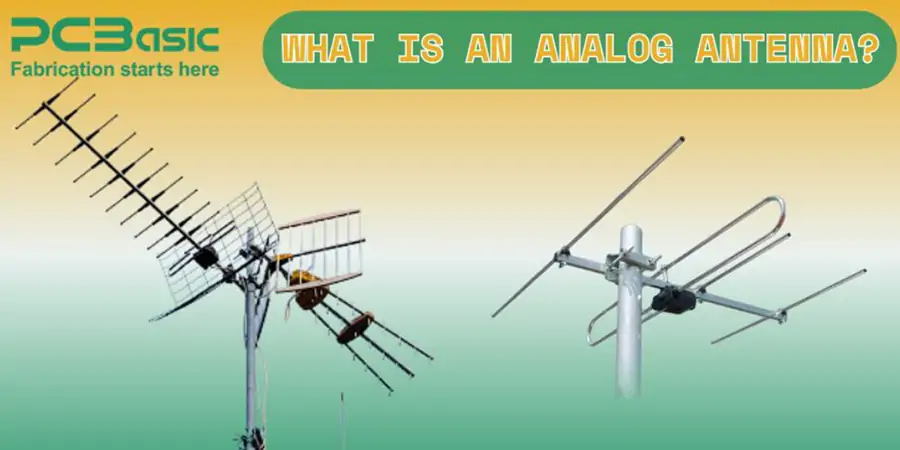
Specialty antennas are designed to improve signal quality in specific situations. They often work best in areas with weak or tricky signals. These antennas have unique shapes and features that help them capture more channels. They offer better performance than standard antennas in many cases.
Specialty antennas include several types. Two popular ones are Bowtie and Panel Bowtie antennas. Each type suits different needs and locations.
Bowtie Antennas
Bowtie antennas have a distinctive shape like a butterfly or bowtie. This design helps catch signals from many directions. They work well for both UHF and VHF channels. Their wide arms increase the area for signal reception. Bowtie antennas often deliver strong, clear pictures. They are also easy to mount on rooftops or indoors.
Panel Bowtie Antennas
Panel bowtie antennas combine the bowtie shape with a flat panel design. This setup focuses signals more in one direction. It improves reception from distant broadcast towers. The panel helps reduce interference from other directions. These antennas are thin and lightweight, making installation simple. They provide steady, reliable TV signals in challenging areas.
Factors To Choose Antenna
Choosing the right analog TV antenna is important for clear picture and sound. Several factors affect how well the antenna works for your needs. Understanding these can help you pick the best antenna for your location and setup.
Each factor plays a role in how the antenna receives signals and how easy it is to install. Consider these points before making your choice.
Signal Range
Signal range shows how far the antenna can pick up TV signals. Longer ranges work better in rural areas. Shorter ranges suit cities with many broadcast towers nearby. Check the distance from your home to the TV stations before choosing.
Installation Location
The place where you install the antenna affects its performance. Outdoor antennas usually get better signals but need more effort to set up. Indoor antennas are easier to install but may catch weaker signals. Think about roof space, walls, and obstacles like trees or buildings.
Frequency Compatibility
TV signals come in different frequency bands: VHF and UHF. Some antennas work well with both, while others only support one type. Match the antenna to the channels you want to watch. Check the frequencies used in your area for best results.
Frequently Asked Questions
What Are The Main Types Of Analog Tv Antennas?
Analog TV antennas mainly include indoor, outdoor, directional, omnidirectional, and rabbit ear types. Each type serves different needs based on location and signal strength. Choosing the right type improves TV reception quality.
How Does A Directional Antenna Work For Analog Tv?
Directional antennas focus on signals from one direction, boosting weak signals. They help get clearer pictures by reducing interference from other directions. Best for areas with signals coming from a single source.
Can Indoor Antennas Receive Strong Analog Tv Signals?
Indoor antennas can work well if you live close to TV towers. They are easy to install and do not need outdoor mounting. Their performance depends on building materials and signal strength nearby.
Why Choose An Omnidirectional Antenna For Analog Tv?
Omnidirectional antennas pick up signals from all around the antenna. They are ideal in places with many TV towers in different directions. This type reduces the need to adjust the antenna often.
What Is The Benefit Of A Rabbit Ear Antenna?
Rabbit ear antennas are simple and good for short distances. They are adjustable and easy to use on older TVs. These antennas work best where the signal is strong and nearby.
Conclusion
Choosing the right analog TV antenna depends on your needs and location. Indoor antennas work well in areas with strong signals. Outdoor antennas capture signals better in distant places. Directional antennas focus on one signal, while omnidirectional catch signals from all sides.
Understanding these types helps you get clearer TV pictures. Remember, signal strength and antenna placement matter a lot. Simple antennas can still offer great TV quality. Explore different options and pick what fits your home best. Clear TV signals are possible with the right antenna choice.