
Are you thinking about upgrading your TV to 4K but feel overwhelmed by all the options? You’re not alone.
With so many types of 4K TVs on the market, choosing the right one can feel confusing. But don’t worry—understanding the differences will help you pick the perfect TV for your needs. You’ll discover the main types of 4K TVs and what makes each unique.
By the end, you’ll feel confident about making a choice that brings stunning picture quality right into your living room. Keep reading to find the 4K TV that’s just right for you.

Led 4k Tvs
LED 4K TVs are popular for their bright, clear pictures and energy efficiency. They use light-emitting diodes to illuminate the screen. This technology enhances color and contrast in 4K resolution TVs. Different types of LED 4K TVs offer various viewing experiences and price points. Understanding these types helps in choosing the right TV for your needs.
Standard Led Technology
Standard LED TVs use a backlight behind the screen. The LEDs shine through an LCD panel to create images. This setup provides good brightness and color. It works well in most lighting conditions. These TVs are usually more affordable than advanced models.
Edge-lit Led Tvs
Edge-lit LED TVs place LEDs along the screen edges. Light spreads across the screen using a special panel. This design makes TVs thinner and lighter. It may cause uneven brightness in some areas. Edge-lit TVs offer a slim look with decent picture quality.
Full-array Led Tvs
Full-array LED TVs have LEDs spread evenly behind the screen. They allow for better control of light zones. This improves contrast and black levels. Full-array TVs often include local dimming for deeper blacks. They provide sharper images and richer colors than edge-lit models.
Oled 4k Tvs
OLED 4K TVs offer a unique viewing experience. These TVs display rich colors and deep blacks. They use a special type of screen technology that differs from traditional LED TVs. OLED stands for Organic Light Emitting Diode. This technology allows each pixel to light up independently.
Self-emissive Pixels
OLED screens have self-emissive pixels. Each pixel produces its own light. This means pixels can turn completely off for true black. No backlight is needed, unlike LCD TVs. This creates better contrast and sharper images. The picture looks more natural and vibrant.
Advantages Of Oled
OLED TVs offer several benefits. The black levels are very deep and clear. Colors appear bright and accurate. The viewing angles are wide, keeping colors consistent from different spots. These TVs are thin and lightweight. They also react quickly to fast-moving scenes, reducing blur.
Popular Oled Brands
Many brands make OLED 4K TVs. LG is a leader and known for quality. Sony offers OLED models with great picture processing. Panasonic also produces OLED TVs with strong color accuracy. These brands provide different sizes and features to suit many needs.
Qled 4k Tvs
QLED 4K TVs offer sharp images and vibrant colors. They use special technology to improve picture quality. These TVs are popular for bright rooms and clear details. Many users enjoy their vivid displays and strong performance.
Quantum Dot Technology
QLED TVs use quantum dots to produce colors. These tiny particles glow when light hits them. This process creates bright and pure colors. It helps the TV show more shades than regular screens. The result is a clearer and more colorful picture.
Brightness And Color
QLED TVs are known for high brightness levels. They shine bright enough to fight room light. This makes images easy to see in daylight. The colors stay rich without fading or washing out. Brightness and color work together for a great view.
Qled Vs Oled
QLED and OLED are two different TV types. OLED offers deeper blacks and better contrast. QLED shines brighter and lasts longer. OLED pixels light up individually, giving perfect black. QLED uses backlight and quantum dots for color. Choose QLED for bright rooms and vivid colors.
Mini-led 4k Tvs
Mini-LED 4K TVs offer a fresh take on screen technology. They use tiny LEDs behind the screen to create images. This design helps produce clearer pictures and better colors. Mini-LED TVs fit between traditional LED and OLED TVs in price and performance. They bring sharp details and bright images to your living room.
Mini-led Backlighting
Mini-LED backlighting uses thousands of tiny LEDs. These LEDs light up small areas of the screen. This precise control reduces light bleed. It also improves the TV’s ability to show dark and bright spots. This method offers better image quality compared to standard LED TVs.
Improved Contrast And Brightness
Mini-LED TVs have excellent contrast. Dark scenes look deeper and more detailed. Bright parts of the screen shine clearly without washing out colors. The TV can show bright highlights and deep shadows at once. This makes movies and games look more realistic and vivid.
Microled 4k Tvs
MicroLED 4K TVs are a new type of screen technology. They offer bright colors and deep blacks. The picture quality is sharp and clear. These TVs use tiny light-emitting diodes to create images. This tech is different from OLED and LCD screens. MicroLED TVs can be very thin and flexible. They also last longer without losing brightness. This makes them a strong choice for future TV models.
Microled Structure
MicroLED screens have many small LEDs. Each LED acts as a single pixel. These pixels light up independently. This means the TV can show true black by turning off pixels. The screen does not need a backlight. This saves power and improves contrast. The tiny size of LEDs allows for high resolution. That is why MicroLED TVs can show detailed 4K images. The structure also reduces glare and reflections.
Future Of Microled Tvs
MicroLED technology is still growing. Costs are high but expected to drop. More brands are starting to develop MicroLED TVs. Future models will be larger and brighter. They will have better color accuracy and energy efficiency. Repair and manufacturing methods will improve too. This will make MicroLED TVs more common in homes. They may replace OLED and LCD in the next years.
8k Upscaling In 4k Tvs
8K upscaling in 4K TVs is a feature that improves picture quality. It uses advanced technology to make lower resolution content look sharper on 4K screens. This helps viewers enjoy clearer and more detailed images without needing true 8K content.
Upscaling Technology
Upscaling technology analyzes each frame and adds extra pixels. It uses algorithms to guess missing details and sharpens edges. The TV’s processor plays a key role in this process. Some TVs use artificial intelligence to enhance accuracy. This results in smoother and more natural images.
Impact On Viewing Experience
Upscaled 8K content looks cleaner and more vibrant on 4K TVs. It reduces blur and improves texture details. This makes movies, sports, and games more enjoyable to watch. Dark scenes gain better contrast, and bright scenes appear clearer. Upscaling helps 4K TVs deliver near-8K quality without extra cost.
Smart Features In 4k Tvs
Smart features in 4K TVs bring more than just sharp images. They make your TV a hub for entertainment and convenience. These features allow easy access to apps, voice commands, and smart controls. This section explores the key smart functions in modern 4K TVs.
Operating Systems
Operating systems run the smart functions on 4K TVs. Popular systems include Android TV, webOS, and Tizen. They provide a smooth and user-friendly experience. Each OS offers different apps and settings. Choose one that matches your needs for easy navigation and updates.
Voice Control And Ai
Voice control lets you command the TV without a remote. Most 4K TVs support assistants like Google Assistant or Alexa. AI improves content recommendations and picture settings. You can search shows, adjust volume, or switch channels by speaking. It saves time and adds comfort.
App Support
App support turns your TV into a streaming machine. Netflix, YouTube, and Disney+ come pre-installed or easy to download. You can watch movies, sports, and news anytime. Some TVs also allow gaming and fitness apps. This wide app variety keeps entertainment fresh and fun.
Choosing The Right 4k Tv
Choosing the right 4K TV can feel confusing. Many options exist, each with different features. Picking the best one depends on a few key points. These points help you find a TV that fits your needs and space.
Viewing Environment
Consider the room where you will place the TV. Bright rooms need TVs with high brightness and anti-reflective screens. Dark rooms benefit from TVs with deep blacks and good contrast. Size matters too. Choose a screen size that fits your space and distance from the TV.
Budget Considerations
Set a clear budget before shopping. 4K TVs vary widely in price. Higher price often means better picture and extra features. Look for models that offer good value, not just the cheapest or most expensive. Spend wisely to get the best picture for your money.
Brand And Warranty
Choose brands known for quality and support. Good brands often provide better picture and durability. Check the warranty length and what it covers. A solid warranty protects your investment and gives peace of mind. Customer service is important for any issues after purchase.
Frequently Asked Questions
What Are The Main Types Of 4k Tvs Available?
The main types of 4K TVs are LED, OLED, QLED, and NanoCell. Each type uses different technology for color and brightness. Choosing depends on your budget and viewing needs.
How Does Oled 4k Tv Differ From Led 4k Tv?
OLED TVs use organic pixels that light up individually, offering better contrast. LED TVs use backlights behind the screen, which may cause less deep blacks. OLED generally provides richer colors and thinner screens.
What Benefits Do Qled 4k Tvs Offer?
QLED TVs use quantum dots to enhance brightness and color accuracy. They work well in bright rooms and offer vibrant images. QLEDs tend to be more affordable than OLEDs but with slightly less perfect blacks.
Are Nanocell 4k Tvs Good For Gaming?
NanoCell TVs have better color accuracy and wide viewing angles. They also support low input lag, which is good for gaming. These TVs balance picture quality and performance for gamers.
Is 4k Resolution The Same Across All 4k Tv Types?
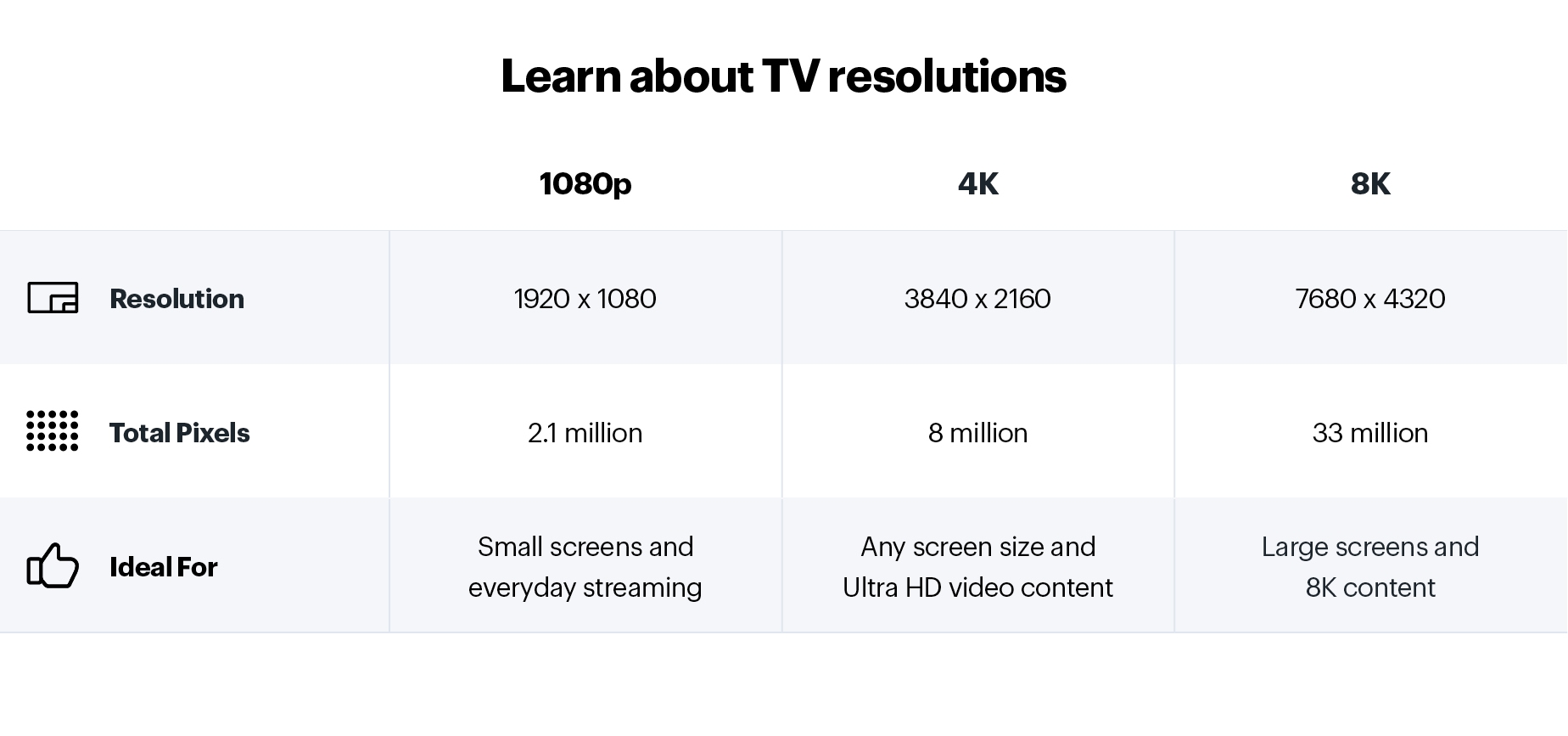
All 4K TVs have the same resolution of 3840 x 2160 pixels. Differences lie in color, brightness, and contrast technology. Resolution is just one part of picture quality.
Conclusion
Choosing the right 4K TV depends on your needs and budget. Each type offers unique benefits and features. Consider screen size, picture quality, and smart functions. OLEDs deliver deep blacks, while QLEDs shine bright. LED TVs are budget-friendly and reliable.
Think about where you will place the TV. A good choice improves your viewing experience. Take your time to compare models. This helps you find the perfect 4K TV for your home.