
Cloud cover usually doesn’t affect TV antenna reception much, because over-the-air TV signals are not strongly blocked by normal clouds. Most reception problems during “cloudy weather” come from things like rain, high humidity, wind moving trees, or changing atmospheric conditions that weaken or distort the signal.
If your channels drop out when it’s overcast, it often means your signal is already borderline and needs better placement, a higher mount, or improved cabling.
How Tv Antennas Receive Signals
Understanding how TV antennas receive signals helps explain how weather affects reception. TV antennas catch broadcast signals sent from TV stations. These signals travel through the air as radio waves. The antenna picks up these waves and sends them to the TV. The TV then changes the signals into pictures and sound.
Basics Of Signal Transmission
TV signals are sent as electromagnetic waves. These waves move through the air at the speed of light. The waves carry audio and video information. Antennas capture these waves using metal elements. The shape and size of the antenna help catch signals better. Strong signals mean clearer TV pictures. Weak signals cause fuzzy or no pictures.
Types Of Tv Antennas
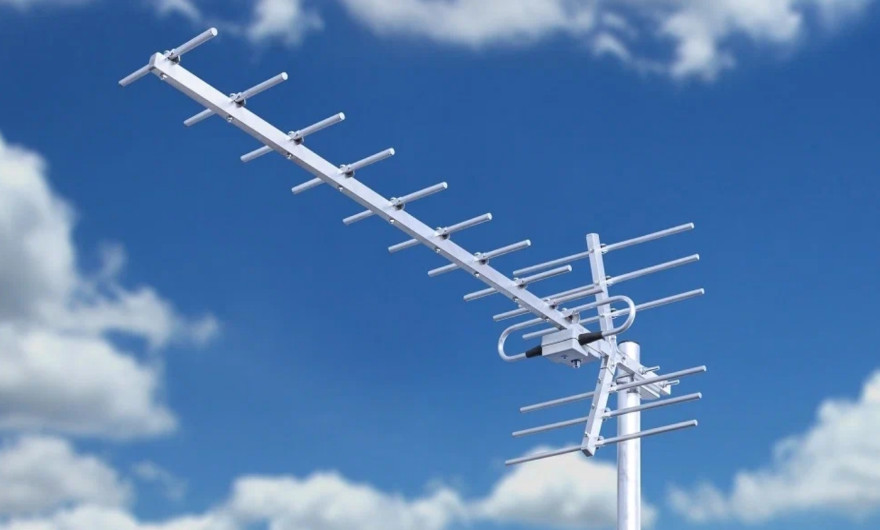
Different antennas work best in different places. Outdoor antennas usually catch stronger signals. They are bigger and placed on rooftops or poles. Indoor antennas are smaller and easy to install. They work well near broadcast towers. Directional antennas focus on one signal source. Omnidirectional antennas catch signals from all directions. Choosing the right antenna helps improve TV reception.
Credit: www.antennasdirect.com
Impact Of Weather On Signal Quality
Weather plays a big role in how well a TV antenna works. Changes in the atmosphere can make signals weaker or stronger. Clouds, rain, snow, and other weather elements affect the path of the signals. This can cause the picture on your TV to be clear or blurry.
Understanding how weather affects signal quality helps you know what to expect. It also guides you to find ways to improve your antenna setup. Weather changes can cause signal loss, but knowing the reasons can reduce frustration.
Role Of Atmospheric Conditions
The atmosphere contains gases, moisture, and particles. These elements can absorb or scatter TV signals. Thick clouds hold water droplets that can block some signals. Dry, clear air lets signals travel with less interruption.
Temperature changes can create layers in the air. These layers bend the signals, a process called refraction. Refraction can either improve or weaken reception depending on the situation. Strong winds might move your antenna, affecting signal stability.
Effects Of Rain And Snow
Rain causes water drops to fall between your antenna and the broadcast tower. These drops absorb part of the signal, making it weaker. Heavy rain has a bigger impact than light rain. Snow also affects signals but in a different way.
Snow can cover the antenna, blocking signals physically. Wet snow is heavier and sticks more to the antenna. Dry snow may not cause as much trouble. Both rain and snow create noise that mixes with the TV signal, leading to fuzziness or loss of picture.
Cloud Cover And Signal Interference
Clouds can change how TV antenna signals travel through the air. They add moisture and particles that sometimes block or weaken these signals. This effect may cause your TV picture to look fuzzy or cut out.
Not all clouds affect signals the same way. Their type and height play a big role in how much interference happens. Let’s explore how clouds impact TV antenna reception.
Clouds And Signal Attenuation
Signal attenuation means the signal gets weaker as it passes through the air. Clouds contain water droplets that absorb some signal energy. This absorption lowers the strength of the TV signal by the time it reaches your antenna.
Thick clouds with more water can cause more attenuation. Light or thin clouds usually cause little to no signal loss. The frequency of the TV signal also matters. Higher frequencies lose more strength passing through clouds.
Differences Between Low And High Clouds
Low clouds are closer to the ground and often denser. They hold more water and can block or scatter signals more. This can cause more noticeable signal problems for TV antennas.
High clouds are thinner and contain less water. They usually cause less signal interference. Signals often pass through high clouds with minor weakening. The height and type of clouds help determine how much TV signals are affected.

Credit: installmyantenna.com.au
Factors Influencing Cloud Impact
Cloud cover can affect TV antenna reception in different ways. The impact depends on certain key factors. These factors help explain why some people notice more signal loss than others during cloudy weather.
Understanding these factors can help you manage your TV antenna setup better. It also helps to set the right expectations about signal quality during bad weather.
Frequency Bands Used By Tv Antennas
TV antennas receive signals on different frequency bands. The two main bands are VHF (Very High Frequency) and UHF (Ultra High Frequency). Clouds affect these bands differently.
UHF signals have shorter wavelengths and are more likely to be absorbed or scattered by clouds. VHF signals have longer wavelengths and usually pass through clouds easier.
This means antennas that mainly use UHF frequencies may experience more signal issues during heavy cloud cover.
Distance From Broadcast Towers
The distance between your antenna and the broadcast tower matters a lot. Signals weaken as they travel farther. Clouds can add extra interference to weak signals.
If you live far from the tower, cloud cover can cause more noticeable reception problems. Near the tower, the signal is strong enough to resist most cloud interference.
Understanding your location helps predict how much cloud cover might affect your TV antenna reception.
Real-world Experiences And Studies
Cloud cover often raises questions about TV antenna reception. Many wonder if cloudy skies affect signal strength. Real-world experiences and scientific studies provide useful insights. They help us understand how weather impacts TV signals.
This section shares reports from users and research findings. These details clarify the real effects of clouds on antenna reception.
User Reports On Reception During Cloudy Weather
Many TV antenna users say cloudy weather rarely harms reception. Some notice minor changes in picture quality. These changes often involve slight fuzziness or brief signal drops.
Others report no difference in reception during cloudy days. Some users say heavy rain or storms cause more trouble than clouds alone. Overall, user reports show that cloud cover itself has little impact on TV signals.
Scientific Research Findings
Scientists studied how clouds affect TV antenna signals. Their research shows clouds do not block TV signals significantly. Clouds mainly consist of water droplets, which have low effect on signal waves.
Research indicates other weather factors, like rain or snow, can weaken signals more. Cloud cover alone does not absorb or reflect enough signal to cause problems. Studies confirm that TV antennas work well even on cloudy days.
Ways To Improve Reception In Cloudy Conditions
Cloudy weather can weaken TV antenna signals. Signal loss happens because clouds block some radio waves. This causes pixelated images or loss of channels. There are ways to improve reception during cloudy days. Simple steps can make a big difference in signal quality. Follow these tips to enjoy clear TV even when the sky is gray.
Antenna Positioning Tips
Place your antenna as high as possible. Higher spots get fewer obstructions like buildings or trees. Point the antenna toward the nearest broadcast tower. Use a compass app to find the right direction. Avoid placing the antenna near metal objects. Metal can block or reflect signals, causing interference. Test different spots to find the best reception.
Use Of Signal Amplifiers
Signal amplifiers boost weak antenna signals. They help reduce interference caused by clouds. Use an amplifier designed for TV antennas. Connect it between the antenna and TV. Avoid using too many amplifiers as this can cause signal distortion. Choose a model with noise reduction features for better clarity.
Alternative Solutions
Consider using a digital TV converter box. It can enhance weak signals and improve picture quality. Try streaming services as a backup during bad weather. Some channels offer apps for live TV on smartphones or smart TVs. Satellite TV is another option, but it also can be affected by heavy clouds. Combining different methods can ensure steady TV reception.
Credit: www.antennaexperts.co
Conclusion
Cloud cover usually does not cause big problems for TV antenna signals. Rain or thick clouds can sometimes weaken the signal a little. Most antennas work well in normal weather conditions. To keep good reception, place your antenna high and clear of obstacles.
Small weather changes rarely stop you from watching your favorite shows. So, enjoy your TV without worrying about cloudy skies too much. Good signal mostly depends on antenna quality and placement. Keep these tips in mind for a steady TV picture.