
TV stand fireplaces don’t use much electricity for the flame effect alone—most draw about the same as a light bulb. The real power use comes from the heater, which often runs around 1,500 watts, similar to a small space heater.
If you use heat daily, it can add noticeably to your bill, but for occasional warmth or flames-only mode, the cost is usually low.
Electricity Usage Of Tv Stand Fireplaces
Electricity usage of TV stand fireplaces is an important factor for many homeowners. These fireplaces combine heating with a stylish TV stand, making them popular in modern homes. Understanding how much electricity they consume helps manage energy bills effectively. The amount of electricity depends mainly on the wattage and usage duration.
Typical Wattage Range
Most TV stand fireplaces use between 750 and 1500 watts. Lower wattage models provide gentle heat, suitable for small rooms. Higher wattage units offer stronger warmth for larger spaces. Many models have adjustable heat settings to control power use. Some also feature a flame-only mode that uses very little electricity.
Comparison To Other Heating Devices
TV stand fireplaces use similar electricity as electric space heaters. They consume less power than central heating systems. Portable heaters often use the same wattage range, about 1000 to 1500 watts. Gas fireplaces do not use electricity for heating, only for controls or fans. Compared to traditional fireplaces, electric models are more energy-efficient and safer indoors.

Credit: alivinghome.com
Factors Affecting Electricity Consumption
Electricity consumption of TV stand fireplaces varies. Several factors influence how much power they use. Understanding these factors helps manage energy costs effectively.
Each element plays a role in the total electricity used by your fireplace. This section explains key points that affect power use.
Usage Frequency And Duration
The more often you use your electric fireplace, the higher the electricity consumption. Running it for long hours daily will increase your electric bill. Short, occasional use consumes less power and saves money.
Heat Settings Impact
Higher heat settings consume more electricity. Using the fireplace on low or medium heat reduces power use. Some models have thermostat control, which helps maintain temperature without running constantly, lowering energy use.
Local Electricity Rates
Electricity costs vary by location. Your local rate per kilowatt-hour affects the total cost of running the fireplace. In areas with higher rates, even small usage can add up quickly. Check your local rates to estimate costs better.
Cost Implications For Your Electric Bill
Electric fireplaces in TV stands add warmth and style to your room. They use electricity to create heat, which affects your electric bill. Understanding the cost impact helps you manage expenses better. The amount you spend depends on usage, power, and local electricity rates.
Monthly And Annual Estimates
Most electric fireplaces use between 750 and 1500 watts per hour. Running one for 5 hours daily can use about 7.5 kWh to 15 kWh each day. At an average rate of $0.13 per kWh, that means $1 to $2 per day. Over a month, this adds up to $30 to $60. Annually, expect to pay around $360 to $720 if used regularly.
Using lower heat settings or a thermostat reduces these costs. If you use the fireplace only part of the day, your bill will be lower. Decorative-only models use very little electricity, costing just a few cents per hour.
Regional Variations In Costs
Electricity prices differ widely by region. Some areas have rates as low as $0.10 per kWh, while others charge $0.30 or more. Higher rates increase your monthly and yearly costs significantly. For example, in a high-rate area, a fireplace might cost $4 per day to run at full power.
Climate also affects usage. Colder regions tend to use electric fireplaces longer, which raises costs. Warmer regions might use them mainly for decoration, keeping costs low. Check your local rates and usage habits to estimate expenses accurately.
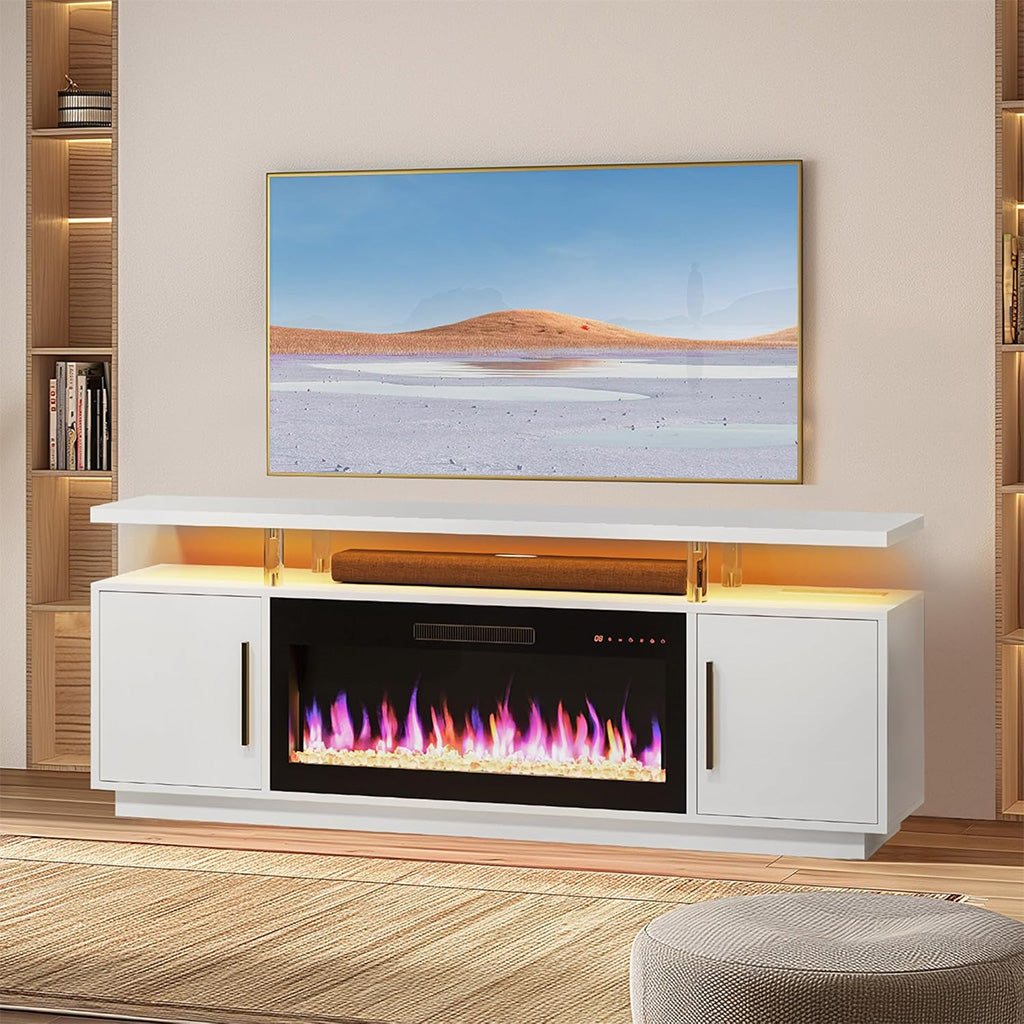
Credit: belleze.com
Energy Efficiency Features
Electric fireplaces built into TV stands often include energy-saving features. These features help reduce electricity use and keep heating costs low. They make the fireplace more efficient without sacrificing comfort or style. Understanding these features can help you use your fireplace smartly and save money.
Thermostat Controls
Thermostat controls keep room temperature steady. The fireplace turns off when the set temperature is reached. It turns on again only if the room gets colder. This cycling uses less power than running continuously. It also prevents overheating and saves energy.
Timer Settings
Timer settings allow you to set the fireplace to run only at certain times. You can schedule it to turn off after a few hours. This stops electricity waste if you forget to turn it off. Timers make it easy to control usage and avoid extra costs.
Zone Heating Benefits
Zone heating means heating only the room you use. Electric fireplaces focus warmth in one space instead of the whole house. This reduces the need for central heating, which uses more energy. It saves electricity and lowers your overall heating bill.
Tips To Reduce Electricity Use
Electric fireplaces can add warmth and style to your room. They do use electricity, but you can control how much. Small changes help lower the power use. These tips save money and keep your home cozy.
Try simple steps to cut electricity use without losing comfort or charm. Adjusting settings and choosing the right model makes a big difference.
Using Low Heat Settings
Set the fireplace to low heat when possible. Low settings use less electricity. They provide enough warmth for most rooms. High heat settings increase power use quickly. Use high only if you need extra heat for a short time.
Supplemental Heating Strategy
Use the fireplace to warm only the room you are in. This method is called zone heating. It reduces the need to heat the whole house. Zone heating lowers your central heating costs. It also cuts down on electric bills by focusing heat where you need it.
Choosing Decorative-only Models
Select a fireplace that shows flames without heat. These models use very little electricity. They create a cozy look without raising energy bills. Perfect for mild days or when you want ambiance only. Decorative-only models save money and energy.

Credit: www.realcozy.co
When To Consider Electric Fireplaces
Electric fireplaces blend style and function in many homes. Knowing when to consider these units helps you save energy and money. They work well for heating and decoration, depending on your needs. Understanding their benefits guides smart choices for your space.
Cost-effective Heating Alternatives
Electric fireplaces often use less electricity than central heaters. They heat specific rooms instead of the entire house. This targeted heating lowers overall energy use and bills. Use them as supplemental heat during colder months. They offer a budget-friendly way to stay warm.
Visual Ambiance Without Heat
Some electric fireplaces run without producing heat. These models use LED lights to create a cozy flame effect. They consume very little electricity, just enough for the lights. Ideal for adding atmosphere without extra warmth or cost. Perfect for mild weather or year-round decoration.
Conclusion
Tv stand fireplaces do use electricity, but not excessively. Their power use depends on settings and how often you run them. Using lower heat or just the flame effect saves energy and money. They work well to warm one room, reducing the need for full-house heating.
Monitoring usage helps keep your electric bill reasonable. Choosing the right model fits your needs and budget. Overall, these fireplaces offer cozy warmth without huge electricity costs.