
No, TV antennas don’t have to be perfect line of sight, but reception is usually better when they are. Over-the-air TV signals can bend and reflect a bit, so you can still get channels through trees, walls, and small hills. The problem is that obstacles weaken the signal and can cause dropouts or pixelation, especially at longer distances.
If you’re blocked, mounting the antenna higher or moving it closer to a window often makes a big difference.
Line Of Sight Basics
Understanding line of sight is key to using TV antennas well. It affects how well your antenna gets signals. This section explains the basics of line of sight and how signals travel.
What Line Of Sight Means
Line of sight means a clear path between two points. For TV antennas, it means the antenna and the broadcast tower must see each other. No big objects like buildings or hills should block the view.
If something blocks this path, the signal can weaken or stop. This is why antennas placed near windows or outdoors often get better reception.
How Signals Travel
TV signals move through the air as radio waves. These waves travel straight from the tower to your antenna. They do not bend well around obstacles.
Objects like trees, walls, or hills can block or reflect these waves. This can cause your picture to freeze or become blurry.
Strong signals need a clear path. Line of sight helps the antenna catch signals with less interference and better quality.

Credit: en.wikipedia.org
Impact Of Obstacles
Obstacles can change how well a TV antenna receives signals. Signals travel best when there is a clear path. Objects between the antenna and the signal source can block or weaken the signal. Understanding these obstacles helps improve your TV reception.
Common Barriers To Signals
Buildings and walls are common barriers that block signals. Trees with thick leaves also reduce signal strength. Hills and mountains can stop signals from reaching your antenna. Even weather conditions like heavy rain or snow can interfere with signals. Metal objects near the antenna can reflect or absorb signals, causing problems.
Effect On Signal Strength
Obstacles make signals weaker and less clear. The more barriers in the path, the poorer the signal quality. Weak signals can cause pixelation or loss of channels. Sometimes, signals bounce off obstacles, leading to ghost images on TV. To get a strong signal, antennas should be placed high and away from barriers.
Antenna Types And Placement
Choosing the right antenna type and placing it correctly affects TV signal quality. Antennas differ in design and how they receive signals. Proper placement helps avoid obstacles and improves reception. Understanding antenna types and positioning helps get better TV channels without cable.
Directional Vs Omnidirectional
Directional antennas focus on signals from one direction. They offer stronger reception from distant towers. Good for rural areas with signals from one side. Omnidirectional antennas receive signals from all directions. Best for urban areas where signals come from multiple towers. Directional antennas need aiming, but omnidirectional work without adjustment.
Optimal Antenna Positioning
Place antennas high and clear of obstructions like trees or buildings. Roofs, attics, or near windows work well. Avoid metal objects that block signals. Small movements can improve reception. Test different angles and heights for best results. Keep the antenna steady once the signal is clear.

Credit: satmaximum.com
Signal Reflection And Diffraction
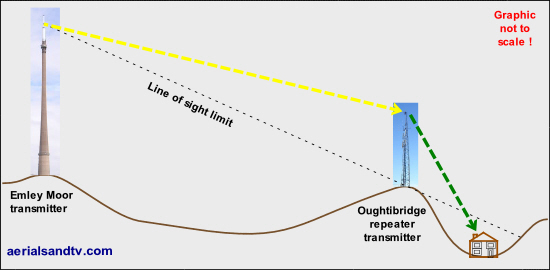
TV signals do not always travel in a straight line. They can bounce off surfaces or bend around objects. This happens because of signal reflection and diffraction. These effects help signals reach your antenna even if it is not in a direct line of sight with the broadcast tower.
How Signals Bend Around Objects
Signal diffraction occurs when waves bend around edges or corners. This bending allows signals to reach places hidden behind obstacles. For example, a hill or building can block a direct path. Still, the signal can curve around it and reach your antenna. This means your antenna can pick up signals even in some blocked areas.
Using Reflections To Improve Reception
Signal reflection happens when waves bounce off surfaces like walls, roofs, or water. These reflected signals can reach your antenna from different directions. Sometimes, these reflections help improve reception. Moving your antenna slightly can catch more reflected signals. Reflections can make a weak signal stronger and clearer.
Technology Advancements
Technology has improved TV antennas a lot in recent years. These advancements help antennas catch signals better. They reduce problems caused by obstacles blocking the view. This means antennas do not always need a direct line of sight to the broadcast tower. New designs and tools make signal reception easier and stronger.
Modern Antenna Designs
Modern antennas use smart shapes and materials. These designs focus on picking up signals from many directions. Some antennas have multiple elements to catch weak signals. They also reduce interference from buildings and trees. This helps users get clearer TV channels indoors or in tricky spots.
Signal Amplifiers And Boosters
Signal amplifiers increase the strength of weak signals. They help antennas work better over long distances. Boosters clean up the signal, making the picture sharper. Some devices adjust automatically for the best reception. These tools make watching TV easier without perfect line of sight.
Troubleshooting Reception Issues
Troubleshooting reception issues with TV antennas can be simple. Many problems happen because the signal is blocked or weak. Knowing how to find and fix these problems helps improve your viewing experience. Small changes can make a big difference in signal quality.
Identifying Signal Blockages
Signal blockages often cause poor TV reception. Buildings, trees, and hills can block signals. Metal objects and walls inside your home also reduce signal strength. To find blockages, move the antenna slowly and watch for changes in picture quality. Check for new obstacles outside, such as construction or parked vehicles. Clear line of sight to the broadcast tower usually improves reception.
Tips For Better Signal Quality
Place the antenna as high as possible, like on the roof or near a window. Point the antenna toward the nearest broadcast tower for stronger signals. Use a signal amplifier if the signal is weak but avoid too much boost, which can cause interference. Keep cables short and in good condition to reduce signal loss. Regularly check connections for tightness and corrosion. Simple adjustments often improve TV reception significantly.
Credit: www.aerialsandtv.com
Conclusion
TV antennas usually work best with a clear line of sight. Obstacles like buildings or trees can block signals. Sometimes, signals bend or reflect, helping reception even without direct view. Placement matters—higher and near windows often help. Testing different spots can find the best signal.
Remember, signal strength affects picture quality. Keep antennas steady and away from metal objects. With simple steps, good TV reception is possible without perfect line of sight. Try these tips to enjoy clear channels at home.