
Yes, you can build a TV antenna at home, and it can pull in free local channels if you’re close enough to broadcast towers. A simple DIY design using a coat hanger, copper wire, or a bowtie-style frame can work for many UHF stations, especially when placed high and near a window. The key is using a proper coax connection and keeping the antenna away from metal objects and electronics that cause interference. Your results will depend on distance, terrain, and indoor signal blockers.
Types Of Tv Antennas
Choosing the right TV antenna is important for good signal reception. Different types of antennas suit different needs. This guide covers the main types of TV antennas. Knowing these types helps you pick the best antenna for your home and location.
Indoor Antennas
Indoor antennas are small and easy to set up. You can place them on a shelf or near a window. These antennas work best in cities or places close to TV towers. They do not require mounting on the roof or outside walls. Indoor antennas are a good choice for renters or apartments.
Outdoor Antennas
Outdoor antennas are larger and mounted outside your house. They capture signals from farther away. These antennas provide a stronger and more reliable signal. Installation may need a pole or roof mount. Outdoor antennas are ideal for rural areas or places with weak signals.
Directional Vs Omnidirectional
Directional antennas point toward one signal source. They receive stronger signals from a single direction. These are useful if TV towers are in one direction. Omnidirectional antennas receive signals from all directions. They work well if towers are spread out. Choosing between these depends on your location and signal sources.
Materials Needed
Building a TV antenna requires some basic materials. These materials make the process easier and help the antenna work well. You do not need many items to get started.
Gathering the right tools and components is important. It saves time and avoids problems later. Below is a list of what you need.
Basic Tools
Simple tools can help you build your antenna quickly. A pair of wire cutters is useful to cut wires cleanly. A screwdriver helps to fasten screws and hold parts firmly.
A ruler or tape measure ensures correct lengths of wire. Pliers help to bend and shape metal parts. A soldering iron can join wires for better connection but is optional.
Common Components
The main parts of a TV antenna are easy to find. Copper or aluminum wire works well for the antenna elements. These metals conduct signals clearly.
A wooden or plastic board acts as the base. It holds the wires in place. Coaxial cable connects the antenna to your TV. This cable carries the signal without losing strength.
Connectors like F-type connectors attach the cable to the antenna and TV. Screws and bolts keep everything tight and secure. A balun can help match the antenna to your TV for clearer reception.
Steps To Build An Antenna
Building a TV antenna is an interesting project. It saves money and helps understand how signals work. The process has clear steps. Each step is important for a good antenna.
The steps include choosing a design, assembling parts, and testing the antenna. Follow these steps carefully for better TV reception.
Design Selection
Start by picking the right design. Common types are dipole, Yagi, and loop antennas. Choose one based on your location and signal strength. Simple designs work well for beginners. A good design helps capture strong signals.
Assembly Process
Gather materials like wire, a wooden board, and connectors. Cut wires to the right length. Follow the design measurements closely. Attach wires firmly to the board. Secure all parts to avoid movement. Use tools like pliers and a screwdriver. Take your time to avoid mistakes.
Testing The Antenna
Connect the antenna to your TV or signal meter. Place it near a window or outside. Adjust the direction to find the best signal. Check picture quality and channel reception. Make small changes to improve performance. Testing ensures your antenna works well.
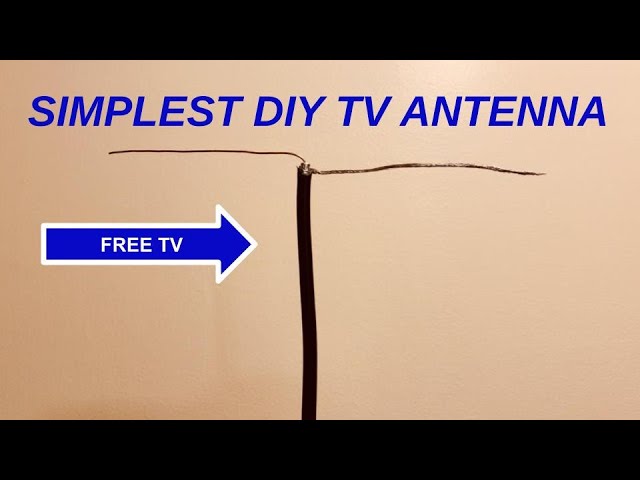
Credit: www.youtube.com
Tips For Better Reception
Getting a clear TV signal can be tricky. Small changes can boost your antenna’s reception a lot. These tips help you get better picture and sound quality. They focus on where and how to place your antenna.
Optimal Placement
Place your antenna high. The higher, the better the signal. Avoid placing it near walls or metal objects. These block signals. Try near a window facing the broadcast towers. Test different spots to find the best one.
Adjusting Direction
Point your antenna toward the nearest TV tower. Use an online map to find tower locations. Slowly turn your antenna and stop when the picture improves. Small changes in direction can make a big difference.
Avoiding Interference
Keep your antenna away from electronics. Devices like routers, microwaves, and cordless phones cause interference. Metal objects and large trees also block signals. Clear space around your antenna for the best results.
Troubleshooting Common Issues
Building your own TV antenna can be rewarding but may come with some common issues. Knowing how to fix these problems helps improve your TV viewing experience. Troubleshooting keeps your antenna working well and your picture clear. Let’s explore some typical problems and how to solve them quickly.
Weak Signal
Weak signal causes a blurry or pixelated picture. Check the antenna’s position first. Move it higher or near a window for better reception. Avoid metal objects that block signals. Also, make sure the antenna cable is tight and not damaged. Using a signal amplifier can help if the signal is very weak.
No Signal
No signal means your TV cannot find any channels. Start by checking if the antenna is connected properly. Try rescanning for channels on your TV menu. Inspect the cable for any breaks or loose ends. If you live far from broadcast towers, consider a stronger antenna. Sometimes weather can disrupt the signal temporarily.
Static And Noise
Static and noise create a distracting viewing experience. This often happens due to interference. Keep the antenna away from other electronic devices. Replace old or damaged cables to reduce noise. Changing the antenna’s direction slightly can clear up interference. Using shielded cables also helps block unwanted signals.

Credit: www.youtube.com
Safety Considerations
Building a TV antenna can be a rewarding project. Safety must be your top priority during the process. Taking precautions protects you from accidents and injuries. Understanding risks and handling tools properly makes the task easier and safer.
Handling Tools
Use the right tools for each step of the build. Keep tools clean and in good condition. Wear gloves to protect your hands from sharp edges. Hold tools firmly to avoid slips or drops. Never use broken or damaged tools. Follow the instructions for each tool carefully. Store tools safely after use to prevent accidents.
Outdoor Installation Risks
Climbing ladders or roofs can be dangerous. Always check the weather before working outside. Avoid installing the antenna during strong winds or rain. Use a sturdy ladder on flat ground. Ask someone to help or watch you during installation. Stay clear of power lines to avoid electric shock. Wear shoes with good grip to prevent falls. Take breaks if you feel tired or dizzy.
Cost Comparison
Building a TV antenna yourself can save money. But how much? Comparing costs helps you decide what fits your budget.
Some expenses are clear, like parts for a DIY antenna. Others come with buying a ready-made product.
Diy Vs Store-bought
DIY antennas need wires, connectors, and tools. These parts usually cost less than a new antenna.
Store-bought antennas have a set price. They range from low-cost to expensive models.
Building your own saves money on the initial purchase. But it requires time and effort.
Store-bought antennas offer convenience. No need to spend hours assembling parts.
Long-term Savings
DIY antennas rarely need repairs. You control the quality of materials used.
Store-bought antennas might need replacement parts or repairs. This adds to costs over time.
Energy use is low for both types. So, no big difference in electric bills.
Overall, DIY antennas can save more money in the long run.

Credit: www.instructables.com
Conclusion
Building a TV antenna can save money and improve signal quality. You only need some basic tools and materials. Following simple steps helps create a working antenna at home. This project suits those who enjoy hands-on tasks. Testing the antenna ensures you get the best reception.
Experimenting with different designs can improve results. Watching TV without cable or satellite is possible. Give it a try and see how well it works for you. Small effort, big rewards.