
Yes, a curved TV can be wall mounted as long as it has a standard VESA mounting pattern and you use a compatible wall bracket. The curve doesn’t stop it from mounting—the key is choosing the right mount type and keeping the bracket plate flat against the back of the TV.
A fixed or tilting mount works for most models, while a full-motion mount needs enough clearance so the edges don’t hit the wall when you swivel. Always match the VESA size, weight rating, and screw depth, and use spacers if the mounting area is recessed.
Mounting Curved Tvs
Mounting curved TVs on the wall is possible and popular. It saves space and creates a modern look. Curved screens need special care during installation. The curve affects how the mount fits and holds the TV. Understanding this helps avoid damage and ensures a safe setup.
Choosing the correct mount and following the right steps makes the process easier. Below are key points to consider when mounting your curved TV.
Compatibility With Wall Mounts
Not all wall mounts fit curved TVs. The mount must support the TV’s curve and weight. Look for mounts labeled as compatible with curved screens. These mounts usually have adjustable arms or brackets. Check the VESA pattern on your TV and mount. Matching patterns guarantee the mount fits perfectly.
Choosing The Right Mount
Pick a mount designed for curved TVs to ensure proper support. Fixed mounts keep the TV close to the wall. Tilt mounts allow slight angle adjustments. Full-motion mounts offer the most flexibility with swivel and extension options. Consider your room setup and viewing angles before choosing. The right mount improves your viewing comfort and safety.
Installation Tips
Use a stud finder to secure the mount to wall studs. This prevents the TV from falling or shifting. Follow the mount and TV manuals carefully. Have a helper hold the TV during installation to avoid accidents. Use a level to keep the TV straight. Double-check all screws and bolts are tight. Avoid mounting the TV too high to reduce neck strain.
Types Of Wall Mounts
Choosing the right wall mount for your curved TV ensures safety and the best viewing experience. Different mounts offer various levels of movement and support. Understanding these types helps you pick one that fits your room and TV style.
Fixed Mounts
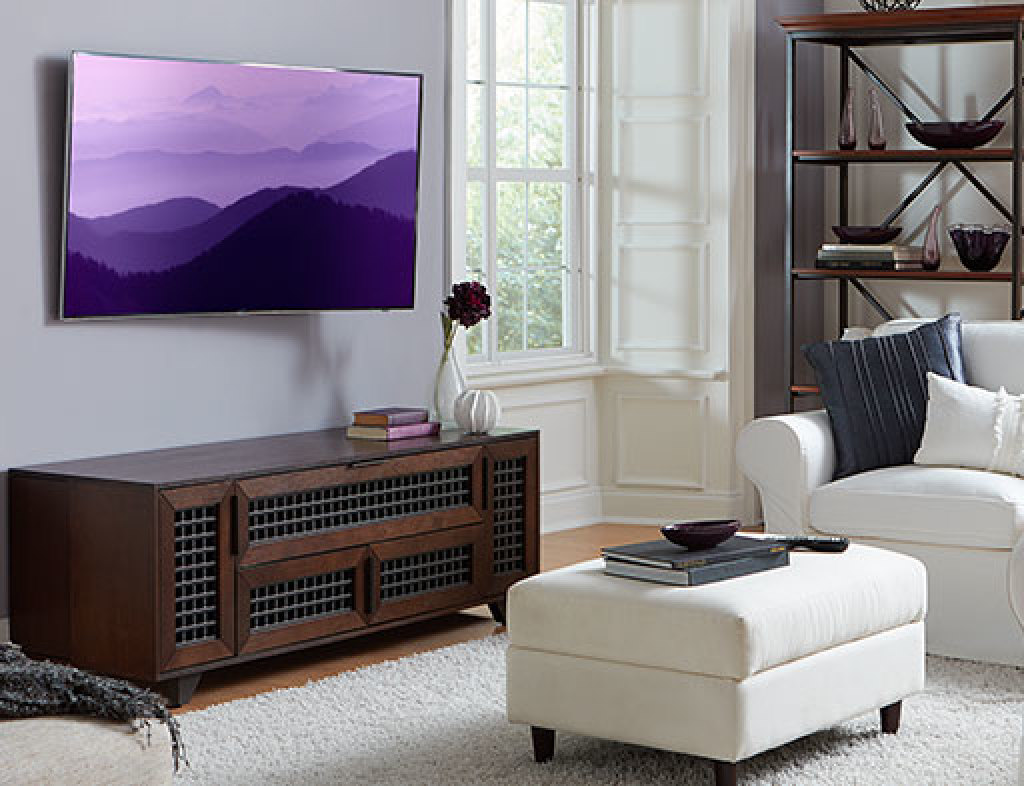
Fixed mounts hold your curved TV close to the wall. They do not move or tilt. This type is simple and sturdy. Fixed mounts save space and create a clean look. They work well if you watch TV from one main spot.
Tilting Mounts
Tilting mounts allow you to angle the TV up or down. This helps reduce glare from lights or windows. They keep the TV close to the wall but add some flexibility. Tilting mounts suit rooms with bright lights or uneven seating.
Full-motion Mounts
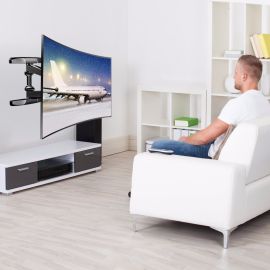
Full-motion mounts let you pull the TV away from the wall. You can swivel it left, right, up, or down. This mount offers the most flexibility for curved TVs. It is ideal for large rooms or multiple viewing angles. Full-motion mounts give you control over your viewing position.
Factors To Consider
Mounting a curved TV on the wall requires careful thought. Several factors affect the installation and the viewing experience. These elements help you choose the right mount and position for your TV. This section explains the key factors to consider before wall mounting your curved TV.
Tv Size And Weight
Check your TV’s size and weight first. Curved TVs can be heavier than flat ones. Use a wall mount that supports your TV’s weight safely. Mounts have weight limits. Exceeding these can cause the TV to fall. Measure your TV’s width and height. Make sure the mount fits these dimensions well.
Wall Material And Support
Look at the wall where you want to mount the TV. Different walls need different types of anchors and screws. Drywall alone may not hold a heavy curved TV. Find studs in the wall for strong support. Concrete or brick walls require special tools and anchors. Proper support prevents damage and keeps your TV secure.
Viewing Angle And Height
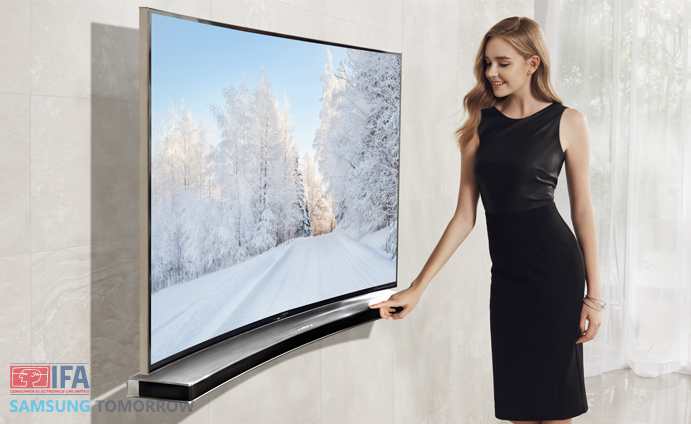
Curved TVs have a best viewing angle. Position the TV at eye level when seated. Too high or low can cause neck strain. The curve works best when you watch from the center. Avoid placing the TV where sunlight causes glare. Plan the height and angle carefully for the best picture and comfort.
Credit: news.samsung.com
Common Challenges
Mounting a curved TV on the wall brings unique challenges. These issues can affect the look and functionality of your setup. Knowing them helps you prepare better and avoid problems later.
Curved Screen Alignment
Aligning a curved screen on the wall is tricky. The curve means the TV does not sit flat. This can cause gaps between the wall and TV edges. The mount must fit the curve exactly. Otherwise, the TV may tilt or hang unevenly. Proper alignment keeps the picture clear and stable.
Cable Management
Cables can be harder to hide with a curved TV. The curve creates space behind the screen, making cables more visible. You need longer cables or special clips. Organizing cables neatly keeps the look clean. Good management prevents cables from tangling or pulling loose.
Reflection And Glare
Curved screens can catch light differently than flat TVs. This can increase reflection and glare. Light sources from windows or lamps may create bright spots. Positioning the TV carefully helps reduce glare. Choosing a wall without direct light improves viewing comfort.
Benefits Of Wall Mounting
Wall mounting a curved TV offers many advantages. It improves room layout and viewing comfort. Curved TVs, with their unique shape, fit well on walls with the right mount. This setup brings practical and aesthetic benefits.
Space Saving
Mounting your curved TV on the wall frees up floor space. No need for bulky TV stands or cabinets. It creates a clean, open area in your room. This is perfect for smaller rooms or minimalist designs. Wall mounting keeps your space neat and organized.
Enhanced Viewing Experience
A curved TV on the wall sits at eye level for better viewing. It reduces glare and reflections from lights. The curve of the screen wraps around your view, adding depth. This setup helps you enjoy movies and shows more comfortably. Adjusting the height and angle is simple with a wall mount.
Safety And Stability
Wall mounting secures your curved TV firmly in place. It prevents accidental tipping or falls, especially in homes with children or pets. The right mount supports the TV’s shape and weight safely. This reduces the risk of damage and injury. Stability is key for peace of mind.
Why Curved Tvs Declined
Curved TVs once promised an immersive viewing experience. Many buyers were curious about the new design. Yet, these TVs faced several challenges that made them less popular over time.
The curved shape worked well for one viewer at the center. Watching from the sides often reduced picture quality. This and other issues caused many to prefer flat screens instead.
Limited Viewing Angles
Curved TVs show the best image only from the center. Viewers sitting on the sides see distorted or dull pictures. This limits group viewing and makes shared watching less enjoyable.
Reflection Issues
The curved screen can reflect light sources more than flat TVs. This causes glare in bright rooms or near windows. The reflections distract viewers and reduce picture clarity.
Higher Costs
Curved TVs usually cost more than flat models. The unique design and manufacturing add to the price. Many buyers choose cheaper flat screens that offer similar or better performance.
Curved Vs Flat Screen Tvs
Curved and flat screen TVs offer different viewing experiences and design styles. Both types can be mounted on walls, but their shapes affect performance and placement. Understanding these differences helps in choosing the right TV for your space and needs.
Performance Differences
Curved TVs aim to create a more immersive picture. The curved shape can reduce glare and improve contrast when viewed from the center. Flat screens provide consistent picture quality from almost any angle. Curved screens may cause distortion if viewed from the side. Flat TVs suit wider viewing areas better.
Content Optimization
Most TV content is made for flat screens. Curved screens do not change the content but can affect how you see it. Some images may look stretched or warped on curved TVs. Flat TVs display content as intended by creators. This makes flat screens ideal for general use.
Consumer Preferences
Many buyers prefer flat screens for their versatility and easier wall mounting. Curved TVs attract users who want a theater-like experience. Curved models may require special mounts to fit the wall properly. Flat TVs often have more mounting options and fit flush against walls. Personal taste and room setup influence the choice strongly.
Credit: www.instructables.com
Curved Monitors Today
Curved monitors have become popular for personal and professional use. They offer a unique design that wraps around the viewer’s field of vision. This design aims to increase immersion and reduce eye strain. Many users find curved screens more comfortable for long hours of use.
These monitors come in various sizes and curvatures. They fit different needs, from simple office tasks to advanced gaming setups. The technology is evolving, bringing new features and better performance every year.
Use Cases For Curved Screens
Curved screens work well for watching movies and videos. They create a more natural view that feels like a theater. Many professionals use curved monitors for design, video editing, and data analysis. The curve helps keep content clear across the entire screen. It also makes multitasking easier by allowing multiple windows to be open side by side.
Gaming And Productivity Benefits
Gamers enjoy curved monitors for their immersive experience. The wrap-around effect draws players into the game world. Curved screens reduce distortion at the edges, improving visual clarity. This helps in fast-paced games where detail matters. For productivity, the curve can reduce glare and reflections. It also encourages better posture by matching the natural shape of the eyes.
Future Trends
Curved monitors are improving with higher resolutions and faster refresh rates. New models focus on reducing blue light and flicker to protect eyes. Flexible and ultra-wide curved displays are gaining interest. These screens could change how people work and play. Although curved TVs are less common now, curved monitors remain popular in niche markets.
Credit: www.sanus.com
Conclusion
Curved TVs can be wall mounted with the right equipment. Use a mount designed specifically for curved screens. Position the TV carefully for the best viewing angle. Wall mounting saves space and gives a clean look. Make sure the mount supports the TV’s weight and shape.
Follow the instructions to secure it safely. Enjoy your curved TV as part of your wall setup. It looks sleek and works well when done properly.