
Yes, TV wall mounts are usually allowed in apartments, but it depends on your lease and the landlord’s rules. Many landlords allow mounting as long as you install it properly into studs, avoid major wall damage, and patch the holes when you move out. Some buildings may restrict drilling into concrete, brick, or certain fire-rated walls, so it’s smart to check first.
If mounting isn’t allowed, a no-drill TV stand or a floor-to-ceiling tension mount is a safer option.
Lease Agreement Rules
Your lease agreement often holds the key to whether you can mount a TV on your apartment wall. It sets the rules about what changes you can make to the apartment. Reading it carefully helps avoid trouble later.
Many leases include specific terms about alterations. These terms may limit or forbid any changes that leave marks or damage. Knowing these rules protects your security deposit.
Check For Alteration Clauses
Look closely for clauses about alterations or modifications. These clauses explain if you can drill holes or attach items to the walls. Some leases strictly forbid any changes, while others allow them with conditions.
Alteration clauses may require you to restore the wall to its original state when you move out. This means patching holes and repainting. Ignoring this can lead to losing part of your deposit.
Permission Requirements
Many leases require you to get permission before mounting a TV. This permission is usually written, not verbal. Written approval protects you if disputes arise later.
Ask your landlord or property manager for clear, written consent. This step shows respect for the property and the lease terms. It also helps maintain a good relationship with your landlord.
Getting Landlord Approval
Mounting a TV on the wall in an apartment usually needs landlord approval. This permission helps avoid conflicts and damage disputes later. Always check your lease for any rules about wall mounting before starting.
Getting approval shows respect for the property and keeps your security deposit safe. It also helps you understand any conditions or limitations set by the landlord.
Request Written Permission
Ask your landlord or property manager for written permission before mounting your TV. A written note or email is proof you have approval. This protects you if questions arise later.
Do not rely on verbal agreements only. Written permission clearly states what you can and cannot do. It may include details about repairs or allowed mounting methods.
Document Wall Condition
Take clear photos or videos of the wall before you mount your TV. This shows the wall’s condition before any holes or marks appear. It helps avoid disputes about damage when you move out.
Keep the images in a safe place. Showing the original wall state proves you did not cause pre-existing damage. It supports your case if the landlord claims otherwise.
Preparing For Installation
Preparing to install a TV wall mount in an apartment requires careful planning. This step ensures safety and protects your rental agreement. Proper preparation helps avoid damage to walls and possible lease violations.
Start by understanding your wall structure and choosing the right tools. Correct hardware and secure mounting make a big difference in stability and safety.
Locate Wall Studs
Wall studs provide strong support for your TV mount. Use a stud finder to locate them behind drywall. Mark the stud positions clearly before drilling. Avoid mounting on drywall alone, as it cannot hold the TV’s weight. Double-check stud locations for accuracy. Securing your mount into studs prevents damage and keeps the TV stable.
Choose Proper Hardware
Select hardware that matches your wall type and TV weight. Heavy-duty screws and anchors are essential for drywall installations. Concrete or brick walls need masonry anchors. Follow the mount manufacturer’s instructions closely. Using the wrong hardware can lead to wall damage or a falling TV. Purchase hardware kits designed for your specific mount model to ensure a secure fit.
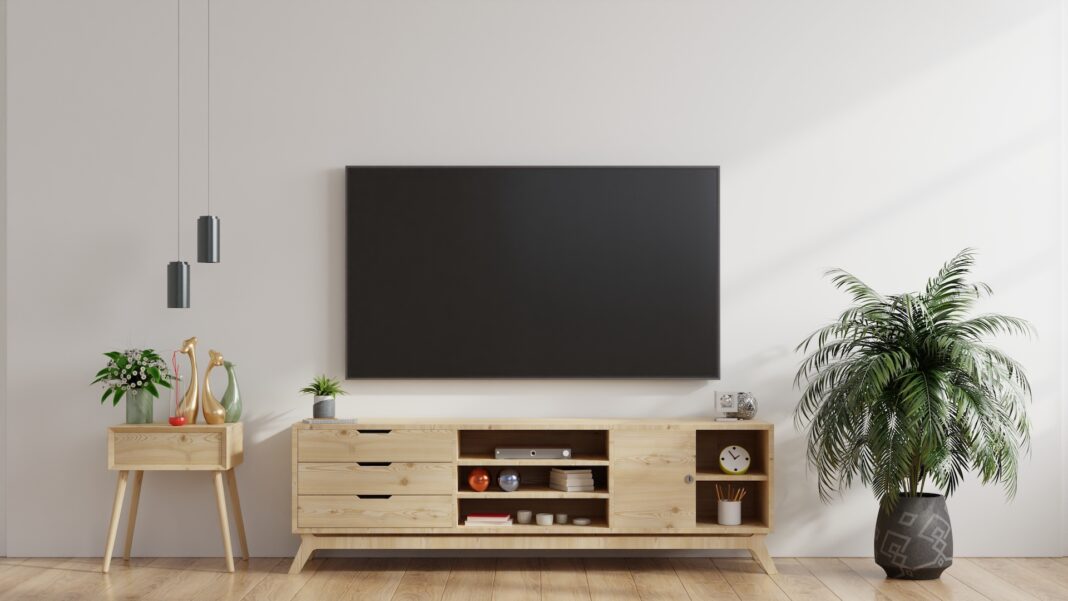
Credit: www.zumper.com
Repairing After Removal
Removing a TV wall mount from an apartment requires careful repair work. Damage to the walls can affect your security deposit. Fixing the wall properly ensures a smooth move-out process and good landlord relations. Repairing after removal involves patching holes and matching the paint perfectly. Small details make a big difference in how the wall looks afterward.
Patch And Paint Walls
Start by filling all holes left from the mount. Use spackling paste or wall filler for a smooth finish. After the filler dries, sand the area lightly to remove bumps. Next, apply primer if needed. This helps the paint stick and covers the patch better. Finally, paint over the patched spots with matching wall paint. This step hides the repair and restores the wall’s original look.
Obtain Paint Samples
Matching the paint color is crucial for seamless repairs. Ask your landlord for the paint color code or a leftover paint sample. If you cannot get the exact color, bring a chip of the wall paint to a store. Many stores can match the color closely for you. Test the sample on a small wall spot before painting the patched area. This ensures the repair blends well with the rest of the wall.
Alternative Tv Setup Options
Finding ways to set up your TV in an apartment without wall mounting can be simple. Many apartments restrict drilling or mounting on walls. This calls for creative and damage-free solutions. These alternatives keep your space neat and protect your security deposit.
Use Freestanding Stands
Freestanding TV stands work well in apartments. They come in various sizes and styles to fit your room. You can place them against any wall without causing damage. Many stands offer shelves for media devices and storage. This option allows easy relocation of your TV anytime you want.
Try Damage-free Mounts
Damage-free mounts use adhesives or tension rods instead of screws. They hold the TV securely without holes in the wall. These mounts suit light to medium-sized TVs. They are easy to install and remove, leaving no marks behind. This method keeps your landlord happy and your walls intact.
Handling Security Deposits
Handling security deposits after mounting a TV in an apartment requires careful attention. Landlords may deduct from your deposit for any damage caused during installation. Protect your deposit by following the rules and repairing any damage properly. Taking steps early can save you from losing money later.
Avoiding Damage Deductions
Use the right tools to mount your TV securely. Locate wall studs before drilling to prevent unnecessary holes. Choose anchors suitable for your wall type and TV weight. Avoid large holes or cracks by installing the mount carefully. Patch holes with spackling compound after removal. Sand and paint the area to match the wall color. Doing this reduces the chance of deposit deductions.
Documenting Repairs
Take clear photos of the wall before and after mounting your TV. Keep records of all repairs you make. Save receipts for any materials you buy, like spackling or paint. This proof helps show the landlord you fixed any damage. It can also support you in case of disputes. Documenting repairs protects your security deposit effectively.
Legal And Tenant Rights
Understanding your legal rights as a tenant is crucial before mounting a TV on apartment walls. Laws and lease agreements set boundaries on what changes you can make. Following these rules protects you from potential penalties or loss of your security deposit.
Knowing your rights helps ensure a smooth rental experience. You can enjoy your space without risking conflicts with your landlord. This section explains key legal points and tenant protections related to TV wall mounts.
Normal Wear Vs Alterations
Normal wear means small marks or minor wall damage from daily use. Landlords expect this and cannot charge tenants for it.
Alterations include drilling holes or installing fixtures like TV mounts. These changes often require landlord approval. Tenants may have to repair any damage before moving out.
Distinguishing between normal wear and alterations is important to avoid disputes. Small nail holes from hanging pictures are usually okay. Larger holes or permanent fixtures need permission.
Landlord Entry Rules
Landlords must follow legal rules before entering your apartment. They usually need to give notice, often 24 hours in advance.
Entry is allowed for repairs, inspections, or emergencies. Installing or inspecting a TV mount typically requires permission and proper notice.
Knowing these rules protects your privacy and ensures landlords respect your rights. Always ask for written communication regarding any access to your apartment.

Credit: condomounts.com
Conclusion
Mounting a TV in an apartment can be simple if you follow the rules. Always check your lease for permission first. Get written approval from your landlord to avoid problems. Use proper tools and find the studs for secure mounting.
Remember to fix any holes before you move out. If mounting is not allowed, choose damage-free options like TV stands. This way, you keep your apartment safe and your landlord happy. Small steps help you enjoy your TV without worry or extra costs.