
Yes, some TV stands are adjustable, but not all of them. Many modern stands let you adjust the height, swivel the TV, or change the viewing angle, especially tripod stands and rolling TV carts. Traditional console-style TV stands usually aren’t adjustable, since they’re fixed furniture, but you can adjust the TV position using a stand mount or a wall-mount-style bracket attached to the stand.
If you need flexibility, look for a stand that lists height adjustment and swivel as features.
Adjustable Tv Stands
Adjustable TV stands offer flexibility in setting the perfect viewing height. These stands help reduce neck strain and improve comfort. They suit different room layouts and user preferences. Many people prefer adjustable stands for their versatility and ease of use.
Types Of Adjustable Stands
There are several types of adjustable TV stands. Some stands allow height changes by sliding the mount up or down. Others use telescoping poles to raise or lower the TV smoothly. Some models include swivel and tilt features for better angle adjustments. Portable stands offer quick setup and easy height changes. Each type fits different needs and budgets.
Mechanisms For Height Adjustment
Height adjustment works through various mechanisms. Manual adjustment uses knobs or screws to lock the TV in place. Gas spring systems provide smooth and effortless height changes. Electric stands use motors controlled by remote or buttons. Some stands combine these systems for more precision. The right mechanism depends on the user’s preference and the TV’s weight.
Methods To Raise Tv Stands
Raising the height of your TV stand can improve your viewing comfort and room aesthetics. Various simple methods help you adjust your TV stand’s height without replacing it. These options suit different budgets and skill levels, from quick fixes to more permanent solutions.
Furniture Risers
Furniture risers are small platforms placed under the legs of your TV stand. They come in wood, plastic, or metal and can add several inches of height. Risers are easy to install and remove, making them a practical choice. They provide stable support and come in different shapes and sizes to fit most stands.
Wooden Blocks And New Legs
Attaching wooden blocks or new legs to your TV stand can increase its height effectively. Wooden blocks can be glued or screwed under the stand’s legs for a sturdy lift. Alternatively, replacing the existing legs with longer ones offers a cleaner, more durable look. Both methods require basic tools and a little time.
Stacking Objects
Stacking objects like sturdy books or wooden blocks under the TV stand offers a quick, temporary height boost. This method works well if you need a fast, low-cost fix. Make sure the objects are solid and stable to prevent wobbling or accidents. Avoid uneven or soft materials to keep your TV safe.
Building A Plinth
A plinth is a base structure built to raise your entire TV stand. It can be made from wood or other materials and customized to your preferred height. This option provides a strong, permanent solution and adds a stylish element to your room. Building a plinth requires some woodworking skills but results in a professional look.
Adjusting Tv Mounts
Adjusting TV mounts helps you find the perfect viewing height and angle. It improves comfort and reduces neck strain. Many TV stands with mounts offer some adjustment options. These changes may include moving brackets, tightening screws, or understanding height limits. Small adjustments can make a big difference in your viewing experience.
Bracket Repositioning
Bracket repositioning involves moving the mounting brackets on the TV or stand. Loosen the screws that hold the brackets in place. Slide the brackets up or down to the desired position. Align the holes carefully before tightening screws again. This method allows slight height adjustments. It works best for universal TV mounts with adjustable brackets.
Screw Adjustment Tips
Use the right screwdriver to avoid stripping screws. Turn screws slowly and evenly on both sides. Tighten screws firmly but do not over-tighten. Over-tightening can damage the mount or TV. Check that the TV is level after adjusting screws. If the TV feels loose, tighten screws a little more. Always follow the mount’s instruction manual for best results.
Height Limitations
Most TV mounts have height limits for safety and stability. These limits depend on the mount’s design and TV size. Adjustments usually allow only a few inches of movement. Avoid forcing the mount beyond its range. Overextending can cause the TV to fall or the mount to break. For larger height changes, consider a different mount or stand. Always ensure the TV is secure after any adjustment.

Credit: www.corujonda.com.br
Compatibility With Tvs
Choosing the right TV stand depends heavily on its compatibility with your television. An adjustable TV stand must fit your TV’s size and support its weight safely. Compatibility ensures your TV stays stable and looks good on the stand. Understanding key factors like stand width, weight limits, and mounting options helps you find the best fit.
Matching Stand Width And Weight
The width of the TV stand should match your TV’s width. A stand too narrow risks tipping over. Check the stand’s maximum weight capacity before buying. Your TV must not exceed this weight. Adjustable stands often allow some flexibility in width. Still, always verify the measurements to keep your TV secure.
Vesa Compatibility
Many TVs use VESA mounting standards to attach to stands. The VESA pattern is the distance between mounting holes on the TV’s back. Adjustable TV stands often support multiple VESA sizes. Confirm your TV’s VESA size to ensure it fits the stand’s mounting bracket. This compatibility guarantees a strong, stable hold for your TV.
Checking Mounting Hole Patterns
Mounting hole patterns vary by TV model and brand. Measure the horizontal and vertical distances between holes. Adjustable stands usually have brackets that slide or shift to fit different patterns. Ensure the stand’s mounting system matches your TV’s pattern. Proper alignment prevents stress on the TV and stand, improving safety.
Choosing The Right Tv Stand
Choosing the right TV stand is important for both style and function. The stand must fit your TV perfectly and blend well with your room decor. It also needs to support the TV safely and offer the right height for comfortable viewing.
Many stands are adjustable to match different TV sizes and heights. This flexibility helps you find the best position for your screen. Let’s explore how to pick the right TV stand for your needs.
Size Guide For Tv Stands
Measure your TV’s width before choosing a stand. The stand should be wider than the TV for stability. Check the depth and height to ensure the stand fits your space. Some stands offer adjustable shelves for extra devices.
Keep clearance in mind for ventilation and cables. A good fit prevents tipping and damage. Follow the size guide on the stand’s label for best results.
Universal Pedestal Stands
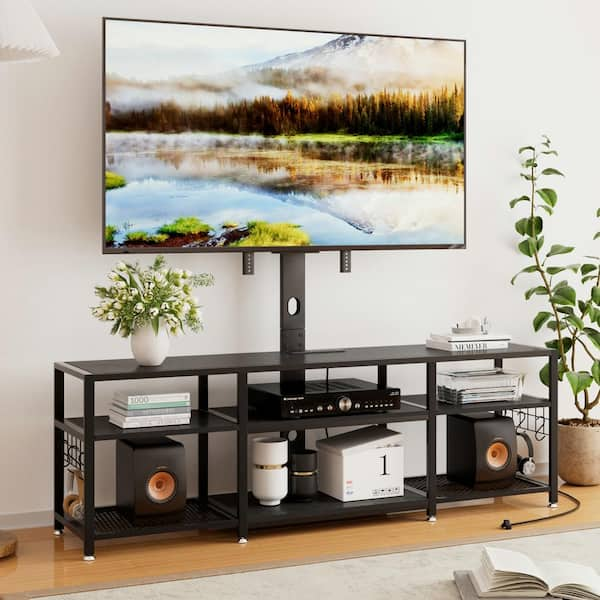
Universal pedestal stands fit many TV brands and sizes. They usually have adjustable brackets or feet. This design allows the TV to sit securely at different heights.
These stands are great for flexible setups or if you change TVs often. They often include cable management to keep wires tidy. Check weight limits to ensure your TV is supported well.
Brand Base Compatibility
Some TV brands have unique bases that fit only specific stands. Matching your TV brand helps maintain a clean look. It also ensures the stand holds the TV firmly.
Look for stands made by your TV manufacturer or certified partners. These options often provide the best fit and safety. Verify the model number to avoid compatibility issues.
Credit: www.homedepot.com
Diy Solutions And Tips
Adjusting the height of a TV stand can improve your viewing comfort and room aesthetics. Many TV stands are not adjustable by default. DIY solutions can help you raise or lower your TV stand easily. These tips allow you to customize your setup without buying a new stand. Below are simple and effective ways to adjust the height.
Building Custom Risers
Custom risers are blocks or platforms placed under your TV stand’s legs. You can use wood, plastic, or metal to build them. Cut the material to the desired height and secure it firmly. Attach the risers using screws or strong adhesive for stability. This method raises the entire stand evenly. It looks neat and fits well with your furniture style.
Temporary Height Fixes
Temporary fixes work well if you need a quick solution. Stack sturdy books, boxes, or wooden blocks under the stand legs. Make sure the objects are stable and flat. Avoid using soft or uneven items to prevent wobbling. This method is easy and requires no tools. Just remember it is not a long-term fix and may need adjustment over time.
Safety Considerations
Safety is crucial when adjusting your TV stand height. Ensure the stand stays stable after modification. Check that risers or stacked items can hold the TV’s weight. Avoid placing the stand on slippery surfaces. Secure all parts tightly to prevent accidents. Keep cords organized to avoid tripping hazards. Always test stability before placing your TV on the stand.
Conclusion
Adjustable TV stands offer flexible viewing options for many setups. You can raise or lower height using risers, blocks, or adjustable feet. Some stands allow small height changes by adjusting brackets. Not all TV stands fit every TV, so check size compatibility first.
Simple adjustments improve comfort and viewing angles without much effort. Choose the method that suits your space and needs best. Adjustable stands help create a better TV experience in any room.