
Tripod TV stands are safe when they’re built for your TV’s size and weight, assembled correctly, and used on a flat surface. The main risk is tipping—tripods have a smaller footprint than wide-base stands—so stability depends on strong legs, a solid center column, and keeping the TV centered.
For the safest setup, choose a stand with a high weight rating, use the safety straps if included, avoid full extension in busy areas, and keep kids and pets from climbing or pulling on it.
Tripod Tv Stand Basics
Tripod TV stands offer a unique and stylish way to hold your television. They combine functionality with a modern look. Understanding their basics helps you decide if they fit your needs and space.
These stands differ from traditional TV furniture. Their tripod design provides a distinct support system. This design often appeals to those wanting a minimal and open feel in their rooms.
Design And Structure
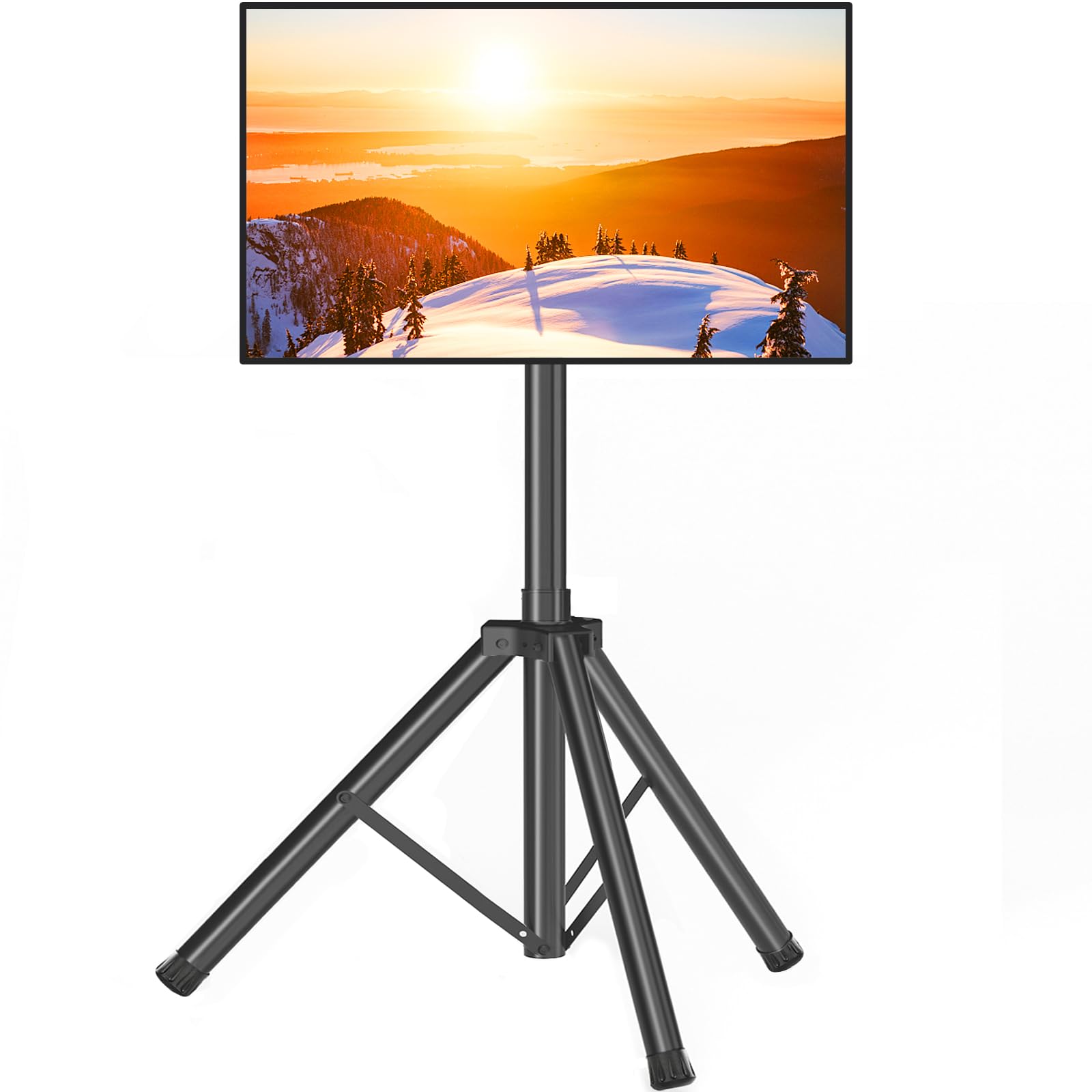
Tripod TV stands use three legs to support the screen. This design gives stability and balance. The legs spread out evenly to hold the TV securely. Many models allow height adjustment for better viewing angles. Some tripods include shelves or mounts for extra devices. Their structure keeps the TV away from walls, improving ventilation.
Common Materials Used
Most tripod TV stands are made from wood, metal, or a mix. Wood offers a warm, classic look and is sturdy. Metal stands provide a sleek, modern style and strong support. Some stands use plastic parts to reduce weight. Quality materials ensure durability and safety for your TV. Finishes like paint or varnish protect the stand from damage.
Weight Capacity
Each tripod TV stand has a specific weight limit. This limit depends on materials and design. Light tripods may hold smaller TVs safely. Heavy-duty models can support larger and heavier screens. Always check the weight capacity before buying. Exceeding this limit risks tipping or damage. Proper weight balance on the stand ensures safety and stability.

Credit: www.walmart.com
Safety Factors
Safety is a key concern when using tripod TV stands. These stands must securely hold your TV to avoid accidents. Several factors influence their safety. Understanding these helps you choose and use the stand wisely.
Stability And Balance
A tripod TV stand must have strong stability. It should hold the TV without wobbling. The three legs need to spread wide enough. This spreads the weight evenly. A narrow base risks tipping over. Check if the stand stays firm on the floor. Stability prevents falls that can cause injury or damage.
Proper Assembly
Assembling the tripod stand correctly is vital. Follow the instructions step-by-step. Use all the provided screws and parts. Tighten all connections firmly. Loose parts reduce safety. Assembly mistakes can weaken the stand. Double-check the setup before placing your TV. Proper assembly ensures the stand supports your TV well.
Surface And Placement
Place the tripod stand on a flat, level surface. Uneven floors make the stand unstable. Avoid carpets that let legs sink. Hard floors like wood or tile work best. Keep the stand away from high-traffic areas. This reduces chances of bumping it accidentally. Good placement adds to the overall safety of your TV setup.
Risks Of Improper Use
Using a tripod TV stand incorrectly can lead to safety problems. These risks affect your TV, home, and personal safety. Understanding these dangers helps you avoid accidents and damage. Proper use and setup reduce these risks significantly.
Tipping And Falling Hazards
Tripod stands can tip over if not balanced well. Uneven floors or bumps increase this risk. A heavy TV on an unstable stand may fall easily. This can happen if the tripod legs are not spread wide enough. Always ensure the stand is on a flat surface and the TV is centered.
Damage To Tv And Property
A falling TV can break its screen or internal parts. The impact may also harm your walls, furniture, or floor. Repairing this damage can be costly and time-consuming. Loose cables can pull the TV off the stand too. Secure all wires and keep the area clear to protect your property.
Injury Risks
Falling TVs or stands can injure people nearby. Heavy screens may cause cuts, bruises, or worse. Children and pets are especially at risk. Sudden falls can startle and cause accidents. Keeping the tripod stable and out of high-traffic areas lowers injury chances.
Credit: www.amazon.com
Comparing Tripod Stands To Alternatives
Choosing the right TV stand affects safety and convenience. Tripod TV stands offer portability and style. Comparing them with other options helps understand which fits your needs best. Each type varies in stability, mobility, and installation needs.
Wall Mounts
Wall mounts save floor space and keep TVs off surfaces. They offer strong support when installed correctly. Anchoring into wall studs is essential for safety. Wall mounts reduce the risk of tipping over. TVs stay fixed and out of reach from pets or children. Installation requires tools and some skill. Adjusting the TV angle can improve viewing comfort.
Mobile Tv Stands
Mobile stands come with wheels for easy movement. They suit spaces where TV relocation is frequent. Most include locking wheels to prevent rolling. Stability depends on the base design and wheel locks. Mobile stands usually support larger TVs safely. They allow flexible setups in offices or classrooms. Some models include shelves for devices and accessories.
Traditional Tv Stands
Traditional stands offer sturdy, fixed support for TVs. They often have shelves or cabinets for storage. Stability depends on the stand’s build quality and material. Heavy wood or metal stands provide strong support. They require no installation beyond placement. These stands take up more floor space. They suit living rooms where TV position rarely changes.
Tips For Safe Use
Using a tripod TV stand can be a smart choice for many homes. Safety should always come first when setting up your TV. Following some simple tips helps prevent accidents and keeps your TV secure. Here are key points to ensure safe use of tripod TV stands.
Checking Weight Limits
Always check the weight limit of your tripod stand. Each model has a maximum capacity it can hold safely. Do not place a TV heavier than this limit on the stand. Overloading the stand can cause it to tip or break. Use the manual or product label to find the exact weight limit.
Using Anti-tip Features
Many tripod TV stands come with anti-tip features. These include straps or anchors that attach the stand to a wall. Use these features to add extra stability. They prevent the TV from falling if bumped or pulled. Secure the stand properly to avoid accidents, especially in homes with children or pets.
Regular Maintenance
Check your tripod stand regularly for signs of wear or damage. Tighten any loose screws or bolts to keep the stand sturdy. Look for cracks or bends in the legs or frame. Replace any broken parts immediately. Regular maintenance extends the life of the stand and keeps your TV safe.
Suitability For Different Environments
Tripod TV stands vary in suitability depending on the environment. Choosing the right stand matters for safety and convenience. Different spaces have unique needs that affect stability and risk.
Consider the daily activity and layout before selecting a tripod TV stand. Assessing these factors helps ensure the stand remains steady and secure.
Homes With Kids Or Pets
Homes with children or pets need extra caution. Tripod stands can tip over if bumped or pulled. Look for models with wide, sturdy legs to reduce this risk.
Adding anti-tip straps or wall anchors increases safety. Keep cords hidden to prevent tripping or pulling. Choose stands with smooth edges to avoid injuries.
High-traffic Areas
Busy rooms require stable TV stands that resist being knocked over. Tripod stands with adjustable height and locking mechanisms add stability. Position the stand away from walkways to avoid accidents.
Heavy bases on tripod stands improve balance in crowded spaces. Frequent movement around the stand calls for durable materials that withstand wear and tear.
Small Spaces
Compact rooms benefit from tripod stands with slim profiles. Their minimal footprint saves floor space while supporting the TV securely. Look for lightweight stands that are easy to move and reposition.
Some tripod stands offer foldable legs for easy storage. Choose designs that complement small rooms without cluttering the area. Proper size matching with the TV is crucial to maintain stability.
Conclusion
Tripod TV stands can be safe when used correctly. Always check the stand’s weight limit before placing your TV. Secure the stand on a flat, stable surface to prevent tipping. Avoid placing the stand where children or pets can easily bump it.
Regularly inspect the stand for any loose parts or damage. Following these simple steps helps protect your TV and home. Safety depends on careful use and proper maintenance. Choose a tripod stand that fits your TV size and weight well.
This keeps your viewing area safe and worry-free.