
An amplified indoor TV antenna is just an indoor antenna with a built-in signal booster, while a regular indoor antenna has no amplification. Amplified models can help if you’re far from towers, have to place the antenna behind walls, or use a longer cable, because they reduce signal loss.
But in strong-signal areas, amplification can overload the tuner and make reception worse. In both cases, placement matters most—getting the antenna higher and near a window often beats adding an amplifier.
How Tv Antennas Work
TV antennas capture signals from broadcast towers and bring them to your television. Understanding how antennas work helps you choose the best one for your needs. The process involves receiving radio waves and converting them into pictures and sound on your TV.
Basics Of Signal Reception
TV antennas catch radio waves sent by broadcast stations. These waves carry information like video and audio. The antenna’s shape and size affect how well it receives signals. Indoor antennas work best near broadcast towers. Walls and furniture can block signals inside your home. Outdoor antennas usually get stronger signals because they are higher and less obstructed.
Role Of Amplifiers
Amplifiers boost weak signals to improve reception quality. They help reduce static and picture fuzziness. Amplified antennas are useful in areas with weak signals or long cable runs. But amplifiers can also increase noise if the signal is already strong. Choosing the right amplifier depends on your location and signal strength.

Credit: store.antennasdirect.com
Features Of Amplified Antennas
Amplified antennas have unique features that help improve TV signal reception. They use technology to strengthen weak signals. This makes watching TV clearer and more reliable. These antennas work well in areas with low signal strength. They differ from indoor antennas in several ways.
Signal Boosting Capabilities
Amplified antennas have built-in amplifiers. These devices increase the strength of incoming signals. They capture weaker signals from far away towers. This boost helps reduce signal loss during transmission. Amplifiers make channels clearer and reduce interruptions. They are useful in locations with obstacles like tall buildings or trees.
Design And Placement
Amplified antennas come in different shapes and sizes. Some are compact and easy to place indoors. Others are designed for outdoor use with weather-resistant materials. Placement is important for the best reception. Higher positions often receive stronger signals. Some models offer flexible mounting options on walls or rooftops.
Pros And Cons
Amplified antennas enhance signal quality effectively. They allow access to more channels from distant towers. These antennas can improve picture and sound clarity. On the downside, amplifiers may cause signal overload in strong signal areas. They also require power to operate. Sometimes, amplified antennas are more expensive than non-amplified versions.
Traits Of Indoor Antennas
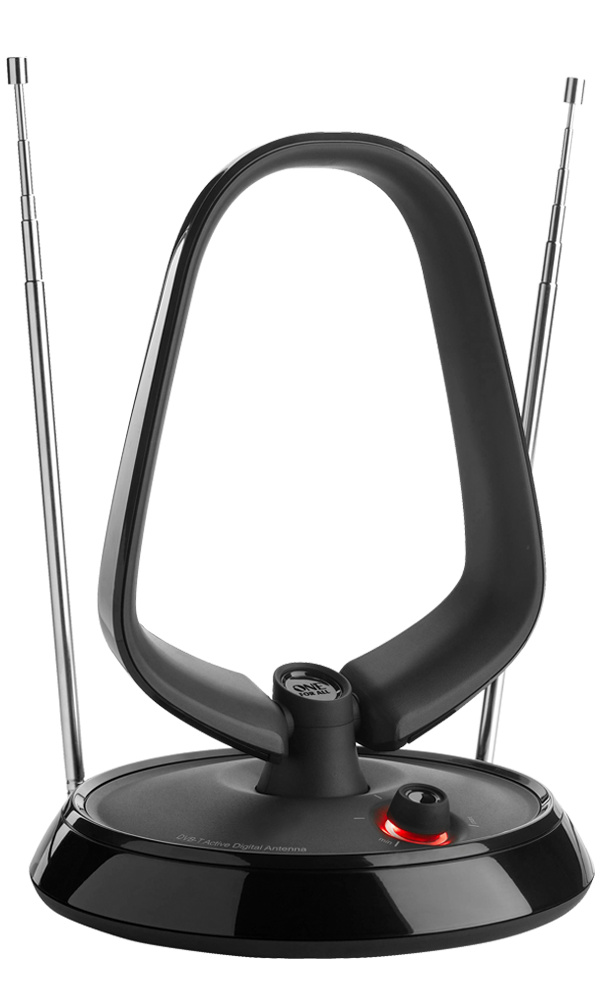
Indoor TV antennas have unique traits that affect their use and performance. They sit inside the home, making them easy to place. These antennas capture TV signals from nearby broadcast towers. Their design focuses on convenience and simplicity. Understanding their traits helps choose the right antenna for your needs.
Ease Of Installation
Indoor antennas are simple to install. They usually come with a plug-and-play setup. No special tools or skills are needed. You just connect the antenna to your TV. Then place it near a window or higher spot for better signal. This makes indoor antennas ideal for renters or those who move often.
Signal Limitations
Indoor antennas have limits in signal strength. Walls, furniture, and electronic devices can block signals. This reduces picture quality or causes interruptions. They work best in areas close to broadcast towers. Farther locations may get weak or no signal. Signal strength also depends on antenna size and design.
Pros And Cons
Indoor antennas offer several benefits. They are affordable and easy to use. They do not require outdoor mounting or drilling. However, their signal range is shorter than outdoor antennas. They may pick up fewer channels. Signal quality varies with placement and nearby obstacles. Consider these factors before choosing an indoor antenna.
Credit: www.oneforall.com
Signal Strength Comparison
Signal strength is a key factor in choosing the right indoor TV antenna. It affects the picture quality and number of channels you receive. Comparing amplified and non-amplified antennas helps understand their benefits in different areas.
Performance In Urban Areas
Urban areas have many TV towers nearby. Amplified antennas boost weak signals, but this boost is often unnecessary here. Non-amplified antennas usually get strong, clear signals without extra power. Amplifiers can sometimes cause signal noise in cities. Simple indoor antennas often perform better in urban settings.
Performance In Rural Areas
Rural areas have fewer TV towers and weaker signals. Amplified antennas help by increasing signal strength. This increase can bring in more channels with better quality. Non-amplified antennas might struggle to catch distant signals. Amplifiers make a big difference in remote locations with weak reception.
Interference And Noise Factors
Interference and noise affect TV antenna performance a lot. They can cause poor picture and sound quality. Understanding these factors helps pick the right antenna. Both amplified and indoor antennas face these challenges but handle them differently.
Common Sources Of Signal Interference
Electronic devices near the antenna can cause interference. Microwaves, cordless phones, and Wi-Fi routers are common culprits. Thick walls and metal objects block or weaken signals. Weather conditions like rain and wind also disrupt signals. Other broadcast signals from nearby towers may overlap and cause noise.
How Amplifiers Affect Noise Levels
Amplifiers boost weak signals to improve reception. They also increase noise and interference along with the signal. A poor quality amplifier can make noise worse instead of better. Amplifiers work best with already strong signals. Using an amplifier with a weak signal can cause more static and distortion.
Cost And Value Analysis
Choosing between an amplified and an indoor TV antenna involves understanding their cost and value. Both types serve the same purpose but differ in price and long-term benefits. This section breaks down the financial aspects to help make a wise choice.
Price Range Differences
Indoor TV antennas usually cost less than amplified ones. Basic indoor antennas can be found for under $20. Amplified antennas tend to start around $30 and can go up to $100 or more. The extra cost covers the built-in amplifier that boosts signal strength. The price difference reflects the technology and materials used in each type.
Long-term Investment
Amplified antennas offer better signal quality in weak reception areas. They can reduce the need for additional equipment or upgrades later. Indoor antennas work well in strong signal zones but might require replacement if signals weaken. Spending more on an amplified antenna can save money over time. It reduces frustration and improves viewing experience. Consider your location and signal strength before deciding.
Choosing The Right Antenna
Choosing the right TV antenna is important for clear and reliable reception. Different antennas work best in different situations. Understanding your needs helps you pick the best option for your home. Think about where you live and how you watch TV. This guide makes it easier to decide between amplified and indoor antennas.
Assessing Your Location
Check how far you are from the broadcast towers. The farther you are, the stronger the antenna you need. Walls and buildings can block signals. An amplified antenna boosts weak signals. Urban areas with many buildings may need an amplified antenna. In rural or open areas, a simple indoor antenna may work well.
Considering Your Viewing Needs
Think about the number of channels you want. Some antennas catch more channels than others. If you want local news and sports, make sure the antenna covers those stations. Amplified antennas pick up more channels but can cause extra noise. Indoor antennas are easy to move and adjust for better reception.
Installation Tips
Place your antenna near a window or high spot for better signals. Avoid metal objects that block signals. Use the shortest cable possible to reduce signal loss. Test different locations before fixing the antenna in place. Amplified antennas need power, so place them near outlets. Follow the manufacturer’s instructions for best results.

Credit: www.amazon.com
Conclusion
Choosing between amplified and indoor TV antennas depends on your needs. Amplified antennas boost weak signals well. Indoor antennas work best near broadcast towers. Think about your location and signal strength. Simple setups suit indoor antennas. For distant signals, amplified antennas help.
Both types can provide free TV channels. Pick the one that fits your home and budget. Enjoy clearer TV without monthly fees. The right antenna brings better shows to you.