
When you think about promoting your business on the radio, you might wonder what options are available and which type of radio advertising will work best for you. Understanding the different types can make a huge difference in how effectively you reach your audience and boost your brand.
Whether you want a quick, catchy message or a more personal connection with listeners, there’s a style of radio ad that fits your goals perfectly. You’ll discover the key types of radio advertising and how each one can help you grab attention, build trust, and drive results.
Keep reading to find out which approach suits your business and how to make your radio ads truly stand out.
Spot Commercials
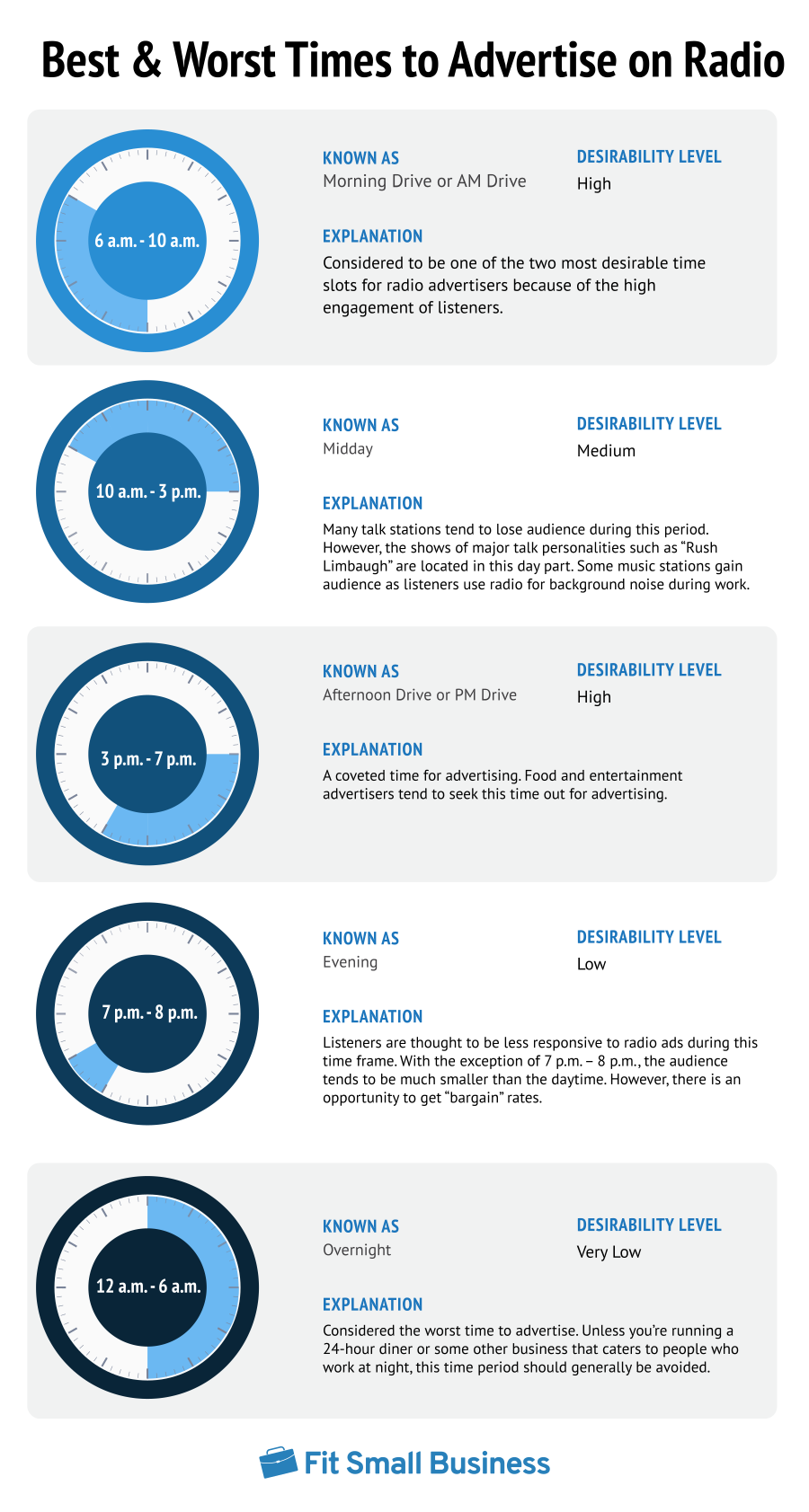
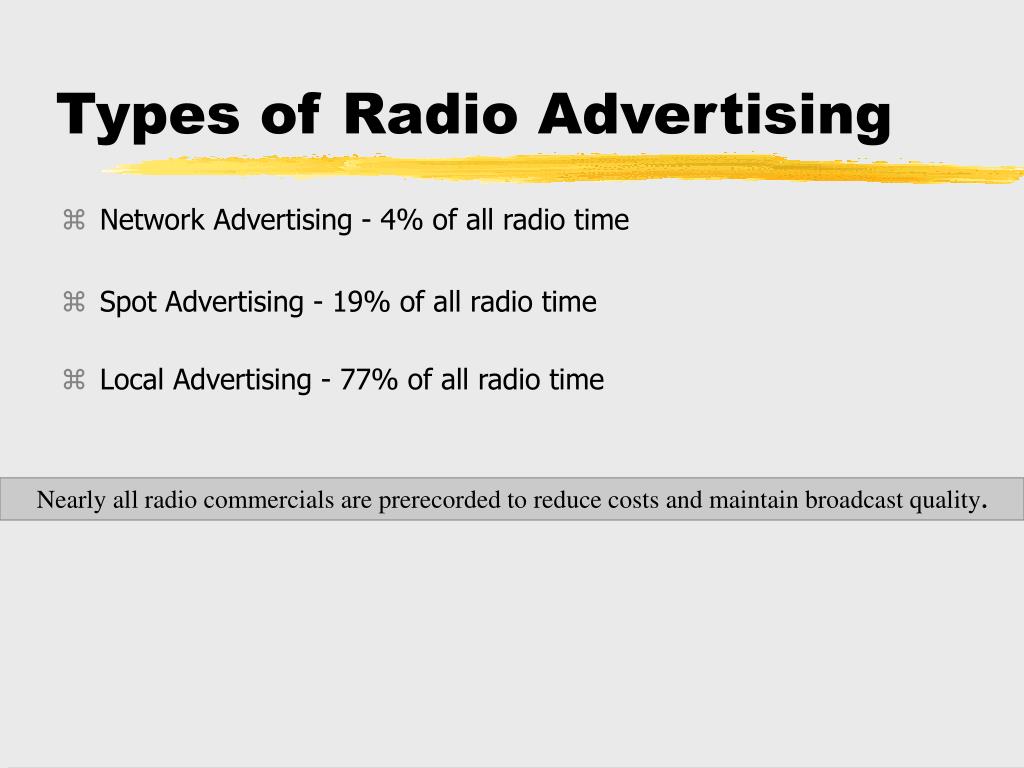
Spot commercials are brief radio ads played during commercial breaks. They promote products, services, or events clearly and quickly. These ads grab listeners’ attention with catchy messages and sounds. Businesses often use spot commercials for local or national campaigns. Their short length makes them easy to fit into radio programming.
Duration And Format
Spot commercials usually last between 15 and 60 seconds. The most common length is 30 seconds. This time is enough to deliver a clear message without losing listener interest. Formats can include voiceovers, jingles, or sound effects. Some spots use a single speaker, while others feature dialogues or multiple voices. The format depends on the advertiser’s goal and budget.
Target Audience Reach
Spot commercials can reach specific audiences based on the radio station’s listeners. Advertisers choose stations that match their target market. For example, a sports store may pick a sports radio channel. This focused reach helps advertisers connect with potential customers. Spot commercials can be scheduled at times when the target audience listens most. This strategy improves ad effectiveness and return on investment.
Live Reads
Live reads are a unique type of radio advertising where the show host personally delivers the ad during the broadcast. This style blends advertising with natural conversation. It helps messages feel more genuine and less scripted. Live reads grab listeners’ attention and keep them interested.
Host-delivered Ads
The host reads the advertisement directly to the audience. This makes the ad feel like part of the show. The host’s voice and style build trust with listeners. It is easier for the audience to connect with the message. Hosts can also add their personal touch to make ads more relatable.
Authenticity And Engagement
Live reads sound authentic because they come from a familiar voice. Listeners often believe the host genuinely supports the product or service. This increases the chances they will act on the ad. The natural flow of conversation keeps people engaged. It does not feel like a typical commercial break.
Sponsorships
Sponsorships offer a unique way for brands to connect with radio audiences. They go beyond simple commercials by linking a brand with specific content. This connection can build trust and recognition over time.
Through sponsorships, companies support radio programs financially. In return, they get mentions that highlight their brand during the show. This form of advertising feels more natural to listeners.
Program Sponsorship
Program sponsorship means a brand supports a whole radio show or segment. The brand’s name often appears as “brought to you by” before or after the program. This creates a strong link between the content and the brand.
Listeners begin to associate the positive feelings they have for the show with the sponsor. It is a subtle but powerful way to keep the brand in mind.
Brand Association Benefits
Brand association through sponsorships builds credibility. When a popular program mentions a brand, it gains trust. People tend to favor brands connected to content they enjoy.
Sponsorships also increase brand recall. Hearing a brand name repeatedly during a favorite show helps it stick in memory. This can lead to more customer interest and sales.
Jingles And Sound Branding
Jingles and sound branding form a powerful part of radio advertising. They use music and sound effects to make a brand memorable. These audio elements stick in the listener’s mind. That helps businesses connect with their audience quickly and effectively.
Jingles combine catchy lyrics with simple melodies. Sound branding uses unique sounds or audio logos. Both create an identity that people recognize instantly. They make ads more enjoyable and easier to remember.
Catchy Tunes
Catchy tunes grab attention fast. They are easy to sing along with or hum later. This keeps the brand alive in the listener’s memory. Short, repetitive melodies work best for radio ads. They repeat the brand message subtly without sounding like a commercial.
Good jingles match the brand’s personality. They build a positive feeling around the product or service. A memorable tune can make a brand stand out among many radio ads. It helps listeners recall the brand even after the ad ends.
Brand Recall Impact
Sound branding boosts brand recall significantly. Unique sounds or musical logos create strong mental associations. Listeners link these sounds directly with the brand. This makes it easier to remember the brand later.
Repeated exposure to jingles and sound branding builds familiarity. Familiarity builds trust and preference for the brand. Radio ads using these elements can influence buying decisions. They leave a lasting impression that simple spoken ads may not achieve.
Promotional Advertising
Promotional advertising on the radio focuses on engaging listeners through special offers and interactive content. This type of advertising grabs attention by creating excitement and encouraging audience participation. It helps brands connect directly with their audience while boosting awareness and sales.
Contests And Giveaways
Contests and giveaways are popular promotional tools on radio. Stations invite listeners to enter contests by calling in or sending messages. Winners get prizes like products, event tickets, or discounts. These promotions create buzz and make listeners eager to tune in. They also increase brand recall by linking prizes to the advertiser.
Listener Interaction
Listener interaction involves engaging the audience through live calls, questions, and shout-outs. Radio hosts encourage listeners to share opinions or answer trivia related to the brand. This two-way communication builds trust and loyalty. It makes ads feel more personal and less like traditional commercials. Interactive ads keep listeners interested and connected to the message.
Digital Radio Ads
Digital radio ads have transformed how businesses reach listeners. These ads play over internet-based radio stations, making them accessible worldwide. They offer creative ways to connect with audiences beyond traditional radio waves.
Digital radio ads can be customized and measured easily. Advertisers gain insights on listener behavior and ad performance. This data helps improve future campaigns and boost engagement.
Internet Radio Advertising
Internet radio advertising targets users streaming music and talk shows online. Platforms like Spotify, Pandora, and iHeartRadio offer ad slots between songs or during shows. These ads reach a diverse, global audience with varied interests.
Advertisers can select stations or genres that fit their brand. This way, ads appear to listeners more likely to respond positively. Internet radio ads often include clickable links, driving traffic directly to websites or promotions.
Targeted Campaigns
Targeted campaigns use listener data to deliver relevant ads. Factors include location, age, gender, and listening habits. This precision reduces wasted impressions and increases ad effectiveness.
For example, a local restaurant can target listeners within a few miles. A sports brand can focus on fans of athletic music stations. Targeted digital radio ads create a more personal experience for listeners.
Frequently Asked Questions
What Type Of Radio Advertising Is Most Commonly Used?
The most commonly used radio advertising type is the “spot commercial. ” It usually lasts up to one minute and airs during scheduled breaks. Live reads, where hosts read ads on-air, also remain popular for engaging listeners directly.
What Are The 4 Types Of Advertising?
The four types of advertising are Digital, Traditional (Broadcast/Print), Social Media, and Direct Marketing. Each uses different channels to reach target audiences effectively.
What Are The 5 Forms Of Advertising Media?
The five forms of advertising media are: digital, traditional (TV, radio, print), social media, direct marketing, and outdoor advertising.
What Are The Different Types Of Radio Broadcasting?
The main types of radio broadcasting are AM, FM, DAB, and internet radio. Each offers unique features for listeners and broadcasters.
Conclusion
Radio advertising offers various formats to suit different business needs. Spot commercials deliver clear, quick messages to grab attention. Sponsorships build a brand’s connection with listeners over time. Live reads add a personal touch through trusted hosts. Jingles help make ads memorable with catchy tunes.
Choosing the right type depends on your goals and audience. Understanding these options helps you use radio effectively. It remains a strong tool for local and broad marketing. Try combining types for better reach and impact. Radio advertising still plays an important role in marketing today.