
When it comes to staying connected, handheld radios are your reliable partners. Whether you’re hiking in the wilderness, coordinating a large event, or simply keeping in touch with family nearby, choosing the right type of handheld radio can make all the difference.
But with so many options available, how do you know which one suits your needs best? This guide breaks down the main types of handheld radios, helping you understand their features, benefits, and ideal uses. By the time you finish reading, you’ll feel confident picking the perfect radio that keeps your communication clear, simple, and hassle-free.
Ready to find out which handheld radio fits your lifestyle? Let’s dive in.

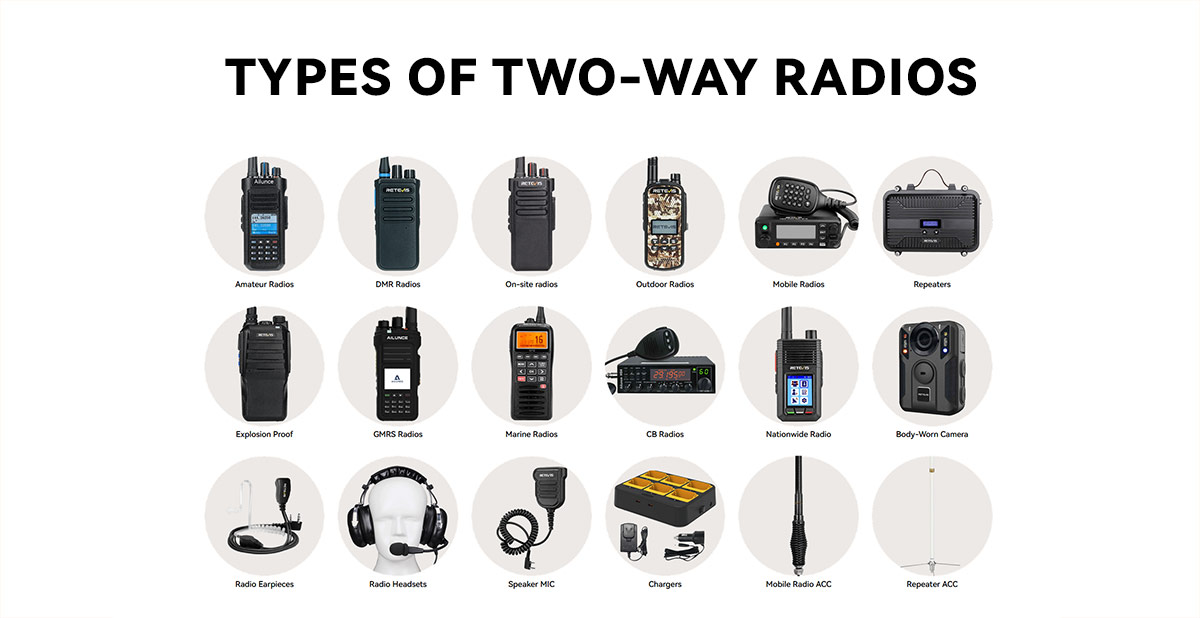
Handheld Radio Categories
Handheld radios come in various categories, each designed for specific communication needs. These radios differ in range, power, and licensing requirements. Knowing the categories helps you pick the right radio for your activities.
Frs Radios
FRS stands for Family Radio Service. These radios are easy to use and do not require a license. They work well for short-range communication. Ideal for family outings, hiking, or small events.
Gmrs Radios
GMRS means General Mobile Radio Service. These radios offer higher power and longer range than FRS. They require an FCC license to operate. GMRS radios support external antennas and repeaters for better coverage.
Murs Radios
MURS stands for Multi-Use Radio Service. These radios operate on five channels without a license. They provide good range and clear sound. Suitable for small businesses and outdoor activities.
Ham Radios
Ham radios are for amateur radio operators. They require a license and training. Ham radios have wide frequency bands and can reach long distances. Great for emergency communication and hobbyists.
Marine Vhf Radios
Marine VHF radios are made for communication on water. They help boats stay in touch and call for help. These radios follow specific marine channel rules and need a license in many countries.
Airband Radios
Airband radios are used by pilots and air traffic controllers. They operate on aviation frequencies. These radios are crucial for safe flying and air communication. Only licensed users can operate them.
Weather Radios
Weather radios receive alerts about severe weather. They broadcast from government stations. These radios help keep you safe during storms and emergencies. No license is needed to use them.
Frs Radios Features
FRS radios are popular handheld radios for simple communication. They are easy to use and require no special license. These radios work well for short distances and casual use. Understanding their features helps you choose the right radio for your needs.
FRS radios are designed to be compact and lightweight. They offer clear audio quality for personal and family use. Let’s explore the key features of FRS radios.
Power And Range
FRS radios have a maximum power of 2 watts. This power level supports communication within a range of about 1 to 2 miles. The actual range depends on the environment and obstacles. Open areas offer better range than buildings or forests.
Antenna Design
These radios come with fixed, non-removable antennas. The antenna length is short, which limits the range. Fixed antennas make the radios simple and easy to carry. They also reduce the chance of damage during use.
Licensing Requirements
No license is needed to use FRS radios. Anyone can buy and operate them without government permission. This makes FRS radios a convenient choice for families and casual users. It also means less paperwork and costs.
Ideal Uses
FRS radios work well for outdoor activities like hiking and camping. They are perfect for keeping in touch at parks or events. These radios are also useful for small business communication. Their simplicity fits users who need quick, easy contact.
Gmrs Radios Features
GMRS radios offer powerful features designed for reliable communication over longer distances. These radios serve users who need more than basic talkie-walkies. Their unique capabilities make them ideal for family groups and outdoor enthusiasts. Understanding these features helps in choosing the right radio for your needs.
Higher Power Output
GMRS radios transmit at higher power levels than standard FRS radios. This boost allows signals to travel further, even through obstacles like trees and buildings. Users benefit from clearer communication across large areas.
Removable Antennas
Many GMRS radios come with removable antennas. This feature lets users upgrade to stronger antennas for improved range and signal quality. It also makes radios easier to store and carry.
Repeater Compatibility
GMRS radios can connect to repeaters. Repeaters receive and rebroadcast signals, greatly extending communication range. This feature is useful for reaching people far beyond direct radio contact.
Fcc Licensing
Using GMRS radios requires an FCC license in the United States. This license covers the user and their immediate family members. The licensing ensures proper use of frequencies and reduces interference.
Typical Applications
GMRS radios suit activities needing reliable, long-range communication. They are popular among hikers, hunters, off-road drivers, and event coordinators. These radios keep groups connected in remote or crowded areas.
Comparing Frs And Gmrs
FRS and GMRS radios serve similar purposes but differ in key features. Both are popular handheld radios used for personal and family communication. Understanding their differences helps in choosing the right radio for your needs. Below, we compare FRS and GMRS across important aspects.
Power Differences
FRS radios have lower power output, usually up to 2 watts. GMRS radios can transmit up to 50 watts. Higher power means GMRS radios can send signals further. This difference affects how far you can communicate clearly.
Licensing Needs
FRS radios do not require any license to operate. Anyone can use them freely. GMRS radios need an FCC license. The license covers the user and their immediate family. This requirement adds a step but allows access to more power and features.
Antenna Options
FRS radios have built-in, fixed antennas. Users cannot change or upgrade them. GMRS radios allow removable antennas. This lets users attach larger or more powerful antennas. Better antennas improve signal strength and range.
Range And Clarity
FRS radios work well within short distances, typically up to 1-2 miles. GMRS radios offer much longer range, up to 20 miles or more in open areas. GMRS also uses wider bandwidth for clearer sound. FRS radios have narrower bandwidth and less clear audio.
Use Case Scenarios
FRS radios suit casual use like hiking, family outings, or small events. They are easy and ready to use without paperwork. GMRS radios fit serious activities such as off-roading, hunting, or managing large properties. The license and better features support more demanding communication.
Specialized Handheld Radios
Specialized handheld radios serve unique needs beyond basic communication. These radios offer features tailored for specific activities and environments. Their design enhances safety, connectivity, and functionality in distinct scenarios.
Users rely on these radios in hobbies, emergencies, and professional settings. Understanding their capabilities helps choose the right radio for each purpose.
Ham Radio Capabilities
Ham radios provide access to amateur radio frequencies worldwide. They allow users to communicate over long distances without cell networks. Many models include multiple bands and modes for versatile use. These radios support emergency communication and social interaction among enthusiasts. They require a license but offer broad functionality.
Marine Communication
Marine handheld radios are built for water safety and navigation. They comply with marine communication standards and include waterproof designs. These radios use VHF frequencies to connect with boats and coast guards. Features often include distress signals and weather channels. They are essential for anyone spending time on water.
Weather Alert Radios
Weather alert radios keep users informed about severe weather conditions. They receive alerts from government weather services continuously. These radios often have built-in alarms to warn about storms and emergencies. Portable and battery-powered models work well during power outages. They help users stay safe by providing timely updates.
Emergency Preparedness
Emergency handheld radios focus on reliability during crises. They include multiple communication options like NOAA weather, AM/FM radios, and flashlights. Some models feature solar charging and hand cranks for power independence. These radios aid in disaster situations when other communication fails. They are vital tools for survival kits.

Choosing The Right Radio
Choosing the right handheld radio depends on your specific needs. Radios vary in range, power, and features. Picking the right one improves communication and safety. Consider where and how you will use the radio. This helps narrow down the best type for you.
Casual Use
Casual radios suit simple, short-range chats. They are easy to use and need no license. Family outings, neighborhood talks, or small events work well. Radios with limited channels and low power fit best here. They are affordable and lightweight.
Outdoor Adventures
Outdoor radios must handle rough environments. Features like water resistance and long battery life matter. Higher power radios cover more distance in forests or mountains. Look for models with weather alerts and GPS. These radios keep groups connected during hiking or camping.
Professional Applications
Professionals need reliable, clear radios for work. Construction, security, and event staff use them daily. Radios with multiple channels and privacy codes help avoid interference. Strong build and easy controls are important. Some radios offer integration with other communication systems.
Emergency Situations
Emergency radios must perform under pressure. They often combine weather alerts and emergency channels. Long battery life and strong signal range save lives. Simple operation is vital during stress. Radios with built-in flashlights or sirens add extra safety.
Battery And Power Management
Battery and power management is crucial for handheld radios. It ensures radios work longer and stay reliable during use. Good management helps avoid sudden power loss. It also extends the overall life of the battery. Understanding how to conserve power and charge effectively can improve your radio experience. This section explains key aspects of battery care.
Conservation Techniques
Turn off the radio when not in use. Lower the volume to save power. Use power-saving modes if available. Limit the use of backlight and display brightness. Avoid unnecessary transmissions. Use the lowest power setting needed for clear communication. These steps help reduce battery drain and extend operation time.
Battery Life Expectations
Battery life varies by radio model and usage. Typical handheld radios last between 8 to 24 hours. Heavy use with high power settings reduces battery time. Standby mode can keep radios ready for days. Rechargeable batteries lose capacity over time. Replace old batteries to maintain good performance. Knowing your radio’s battery life helps plan your activities better.
Charging Options
Most radios use rechargeable lithium-ion batteries. Charging can be done via wall adapters or USB ports. Some models support car chargers for on-the-go power. Charging docks offer convenient storage and power at once. Always use the manufacturer’s charger to avoid damage. Fast charging is available on some radios but may reduce battery lifespan. Proper charging keeps your radio ready for use.
Radio Accessories
Handheld radios become more useful with the right accessories. These add-ons improve signal strength, comfort, and protection. They help radios work better in different environments. Accessories also make radios easier to carry and operate. Choosing the right ones can enhance your communication experience.
External Antennas
External antennas boost radio signal and range. They replace the small built-in antennas. A longer antenna picks up signals from farther away. This is great for outdoor use or large areas. Some antennas are flexible, making them less likely to break. They are simple to install and improve radio performance.
Repeaters
Repeaters extend the radio’s communication range. They receive a signal and send it out again stronger. This helps radios talk over hills or buildings. Repeaters are common in GMRS systems. Using repeaters allows teams to stay connected over long distances. They require proper setup and sometimes licensing.
Headsets And Microphones
Headsets and microphones make hands-free communication easy. They let users speak and listen without holding the radio. This is useful for busy or noisy places. Some headsets have noise-canceling features for clear sound. Different styles fit over the ear or around the neck. They improve safety and convenience during use.
Mounts And Cases
Mounts and cases protect radios and keep them handy. Cases shield radios from drops, dust, and water. Some cases have belt clips for easy carrying. Mounts secure radios in vehicles or on gear. They keep radios stable and accessible. Durable mounts and cases help radios last longer in tough conditions.
Frequently Asked Questions
What Is Better, Gmrs Or Frs?
GMRS offers higher power, longer range, and repeater use but requires an FCC license. FRS is license-free and best for short-range, casual use. Choose GMRS for serious communication and FRS for simple, everyday conversations.
What Are The Different Types Of Radios?
Different types of radios include two-way radios, ham radios, CB radios, shortwave radios, weather radios, scanners, and marine VHF radios. Each serves unique communication or listening purposes across various frequencies and ranges.
What Is The 3 3 3 Rule For Radio?
The 3-3-3 rule for radio means: listen for 3 seconds, speak for 3 seconds, then wait 3 seconds before responding.
Which Is Better, Uhf Or Vhf?
UHF radios offer better indoor coverage and higher frequencies, ideal for urban areas. VHF radios excel outdoors and over longer distances, especially in open spaces. Choose UHF for buildings and VHF for rural or open environments based on your communication needs.
Conclusion
Handheld radios come in various types to fit different needs. Some offer long range and clear sound but need a license. Others work well for short distances without any paperwork. Choosing the right radio depends on your activities and where you use it.
Understanding these options helps you stay connected easily. Keep your communication simple and reliable with the right handheld radio.