
Are you struggling to get the perfect TV signal? The right TV aerial connector can make all the difference.
But with so many types out there, how do you know which one fits your setup? Understanding these connectors can improve your picture quality and save you from frustrating signal drops. You’ll discover the most common types of TV aerial connectors, what makes each unique, and how to choose the best one for your needs.
Keep reading, and soon you’ll be connecting your TV like a pro.
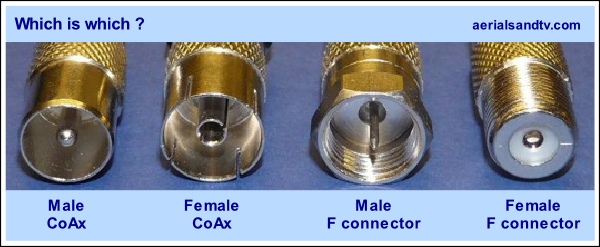
Coaxial Connectors
Coaxial connectors play a key role in connecting TV aerials to your devices. They help carry the signal from the aerial to your TV or set-top box. These connectors come in various types, each with its own use and design. Understanding them helps you choose the right one for your setup.
F-type Connectors
F-type connectors are the most common coaxial connectors for TV aerials. They have a threaded design that screws onto the cable. This ensures a tight and secure connection. They work well with satellite, cable, and terrestrial TV systems. Their simple design makes installation easy and reliable.
Belling-lee Connectors
Belling-Lee connectors, also called IEC connectors, are common in Europe. They have a push-fit design for quick connection. These connectors suit older TV sets and aerials. Though less secure than F-types, they are easy to use. They fit standard coaxial cables for TV signals.
Iec Connectors
IEC connectors are similar to Belling-Lee but come in different shapes. They often appear in modern TV equipment. Their push-on design allows fast and tool-free connections. IEC connectors support both audio and video signals. They are versatile and widely used in home setups.

Satellite Connectors
Satellite connectors play a key role in receiving clear TV signals. They connect your satellite dish to the receiver or TV. These connectors must be reliable to avoid signal loss or interference.
Two common types of satellite connectors are F-Type and SMA connectors. Each has unique features and uses in satellite TV setups.
F-type For Satellite
F-Type connectors are the most popular for satellite TV. They screw on tightly to ensure a solid connection. This prevents signal loss and keeps the picture clear.
These connectors use a copper wire at the center to carry signals. They work well with coaxial cables, which are common in satellite systems. Installation is simple and fast, making them ideal for home use.
Sma Connectors
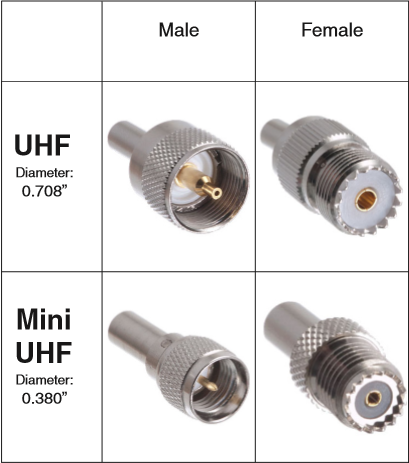
SMA connectors are smaller and used in some satellite systems. They provide a secure and stable connection. This helps maintain signal quality, especially in compact devices.
These connectors use a threaded design to lock in place. They are common in professional and specialized satellite equipment. SMA connectors handle high frequencies well, which is important for some satellite signals.
Rf Connectors
RF connectors are key parts of TV aerial systems. They link the aerial to the TV or receiver. These connectors carry radio frequency signals. Good connectors ensure clear signal transmission and reduce loss. Different types suit different setups and needs.
N-type Connectors
N-Type connectors are strong and reliable. They have a screw-on design for a tight fit. These connectors handle high frequencies well. They work great for outdoor and professional setups. Their weatherproof design keeps signals clear in tough conditions.
Pal Connectors
PAL connectors are common in home TV systems. They have a simple push-in design. These connectors are easy to use and install. They provide good signal quality for most aerials. PAL connectors are cost-effective and widely available.
Connector Materials
Connector materials play a key role in the quality and durability of TV aerial connectors. They affect signal strength and resistance to weather damage. Choosing the right material can improve your TV viewing experience. This section explains the most common materials used for connectors.
Brass Vs. Zinc
Brass connectors are popular for their strength and good conductivity. They resist corrosion well, especially outdoors. Zinc connectors are cheaper but less durable. They may corrode faster and weaken the signal. Brass is often preferred for long-term use and better performance.
Gold Plated Options
Gold plating on connectors helps prevent corrosion and signal loss. It improves the connection quality, especially in humid areas. Gold does not tarnish, keeping the signal clear over time. These connectors cost more but offer better reliability. Gold plating is a smart choice for stable TV signals.
Connector Compatibility
Connector compatibility is crucial for a clear TV signal. Different types of TV aerial connectors exist. Each type fits specific cables and devices. Using the wrong connector causes signal loss or no picture. Understanding compatibility helps you connect easily and correctly.
Matching Connectors And Cables
Always match the connector to the cable type. Coaxial cables use F-type or Belling-Lee connectors. These connectors fit tightly to avoid signal leaks. Using a mismatched connector causes weak signals. Check the cable diameter and connector size before buying. Correct matching ensures stable TV reception and fewer interruptions.
Adapters And Converters
Adapters help connect different types of connectors. They bridge connections between incompatible cables. For example, an F-type to Belling-Lee adapter fits two different connectors. Converters change signal types, like from analogue to digital. Use adapters and converters carefully to keep signal quality high. Choose quality products to avoid interference and loss.
Installation Tips
Installing TV aerial connectors correctly is key to a clear signal and long-lasting setup. Simple steps can make a big difference in performance and durability. Careful attention during installation prevents common problems.
Here are important tips for installing TV aerial connectors right.
Proper Connector Crimping
Use the right crimping tool for your connector type. A good crimp ensures the cable stays firmly attached. Avoid over-crimping as it can damage the connector and cable. Under-crimping causes loose connections and signal loss. Check the crimp strength by gently tugging the cable after crimping.
Avoiding Signal Loss
Keep cable lengths as short as possible to reduce signal loss. Use high-quality connectors and cables for better transmission. Make sure connectors fit tightly and there are no loose parts. Avoid sharp bends in the cable that can damage the wires inside. Always seal outdoor connectors to protect from moisture and dirt.
Frequently Asked Questions
What Are The Most Common Types Of Tv Aerial Connectors?
The most common TV aerial connectors are F-type, Belling-Lee, and IEC connectors. Each type fits different TV and aerial models. Knowing the right one helps ensure a strong signal.
How Do F-type Connectors Differ From Belling-lee Connectors?
F-type connectors screw onto the cable, providing a tight fit and good signal. Belling-Lee connectors push into the socket and are common in Europe. The choice depends on your TV and aerial setup.
Can I Use Any Tv Aerial Connector For All Tvs?
No, TV aerial connectors vary by region and device type. Using the wrong connector can cause poor signal or no signal at all. Always check your TV’s connector type before buying.
Why Is The Iec Connector Popular For Tv Connections?
IEC connectors are easy to connect and disconnect, making them user-friendly. They offer stable signal quality for many modern TVs. This makes them a popular choice worldwide.
How Do I Choose The Right Aerial Connector For My Home?
Check your TV’s manual or existing cable for connector type. Consider the aerial type and location for best signal strength. Matching the connector ensures smooth installation and viewing.
Conclusion
Choosing the right TV aerial connector makes a big difference. Different connectors fit different devices and needs. Knowing the types helps you avoid connection problems. It also saves time and money on repairs. Always check your TV and aerial before buying connectors.
Simple steps lead to better picture and sound quality. Keep this guide handy for easy reference. Connect your TV right. Enjoy your favorite shows without interruptions.