
Lighting can make or break your TV production. If you want your scenes to look clear, vibrant, and professional, understanding the different types of lighting is key.
Whether you’re behind the camera or producing content, knowing how to use lighting effectively will transform your work. You’ll discover the main types of lighting used in TV production and how each one impacts the mood, focus, and quality of your shots.
Keep reading to learn how to light your next project like a pro.
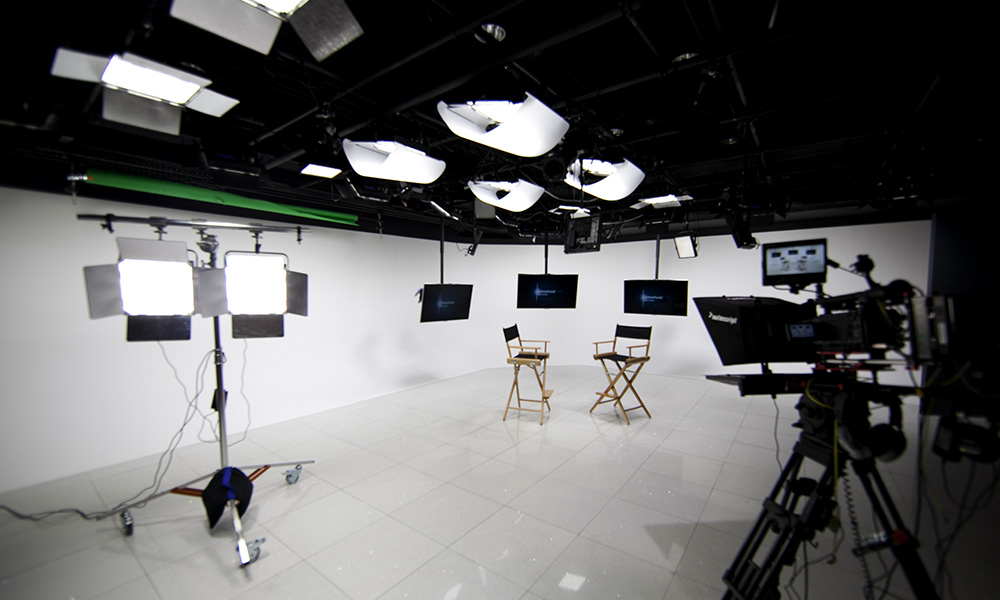
Key Lighting Types
Lighting sets the mood and focus in TV production. Different lighting types help tell the story visually. Key lighting types create depth, highlight subjects, and shape scenes. Understanding these lighting methods is vital for good visuals.
Three-point Lighting
Three-point lighting uses three lights to shape the subject. The key light is the main source, bright and direct. The fill light softens shadows made by the key light. The back light separates the subject from the background. This method creates a balanced and natural look.
Natural Lighting
Natural lighting uses sunlight or existing light in a scene. It gives a soft and realistic feel to TV shots. Producers often adjust camera settings to work with natural light. This lighting is cost-effective and adds authenticity to the scene.
Practical Lighting
Practical lighting uses visible light sources within the scene. Examples include lamps, candles, or TV screens. These lights add realism and depth to the shot. Practical lighting helps blend the set with the lighting design smoothly.
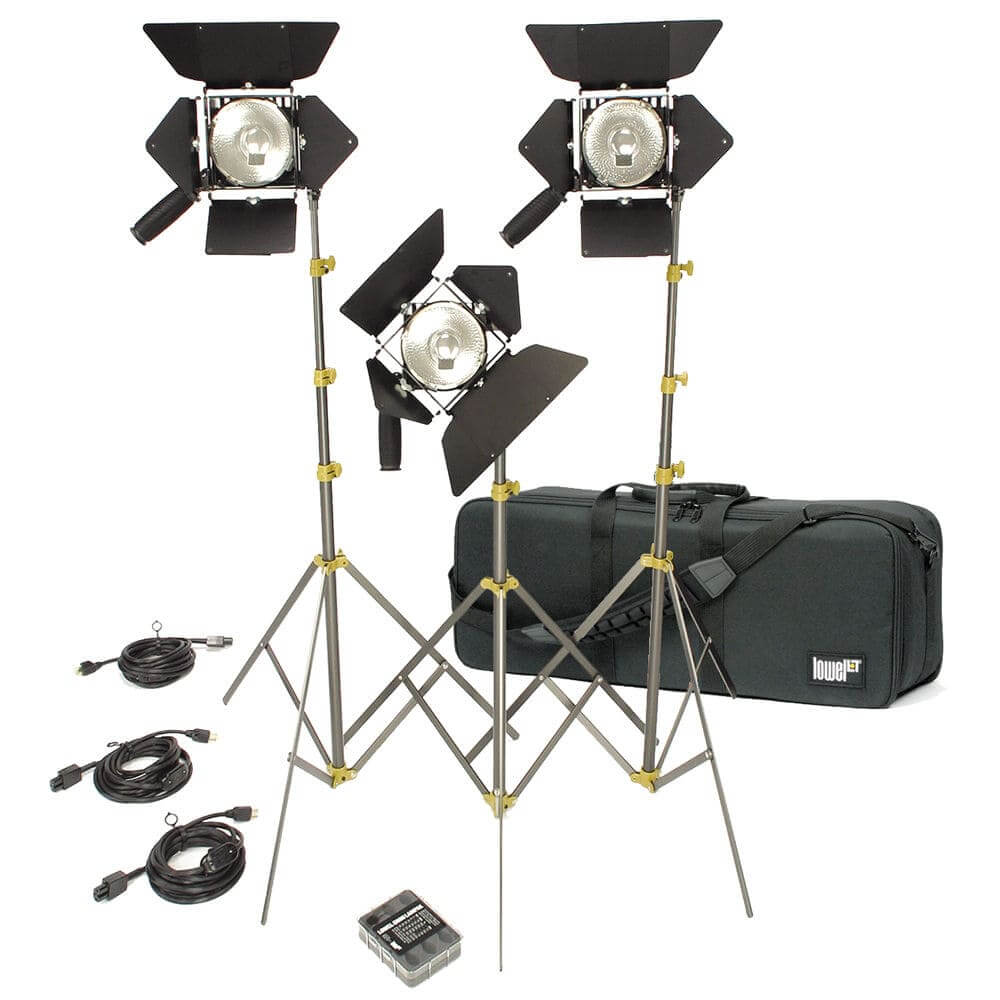
Lighting Techniques
Lighting techniques shape the look and feel of TV shows and films. They guide the viewer’s focus and set the mood. Each technique uses light and shadow differently to tell a story visually.
Understanding these techniques helps producers and directors create the desired atmosphere. It also enhances the viewer’s experience by adding depth to scenes.
High-key Lighting
High-key lighting creates a bright and cheerful atmosphere. It uses many lights to reduce shadows. This technique is common in comedies and talk shows. The even light makes the scene look clean and friendly. It helps viewers see every detail clearly.
Low-key Lighting
Low-key lighting uses strong contrasts between light and shadow. It creates a dark, moody feeling. This style suits thrillers and dramas. Shadows hide parts of the scene, adding mystery and tension. It makes the audience feel uneasy or curious.
Motivated Lighting
Motivated lighting mimics natural or practical light sources. Lights appear to come from lamps, windows, or candles in the scene. This technique makes the setting more realistic. It blends artistic lighting with the story’s environment. Viewers feel the light belongs naturally in the scene.
Specialized Lighting
Specialized lighting plays a key role in TV production. It shapes the mood and focuses viewers’ attention. These lighting types go beyond basic illumination. They add depth, texture, and emotion to scenes. Understanding specialized lighting helps create professional-looking videos.
Backlighting
Backlighting places light behind the subject. It creates a glowing outline around the edges. This effect separates the subject from the background. It adds a sense of depth and drama. Backlighting can highlight hair or shoulders. It also creates a silhouette effect when used strongly.
Fill Lighting
Fill lighting softens shadows created by the main light. It reduces harsh contrasts on the subject’s face or body. This light is usually less bright than the key light. It helps show details in dark areas. Fill lighting creates a balanced and natural look. It makes the scene easier to watch.
Accent Lighting
Accent lighting highlights specific parts of a scene. It draws attention to objects or areas like props or backgrounds. This light adds visual interest and texture. Accent lights can be colored for mood effects. They help guide viewers’ eyes to important details. This lighting style adds style and focus.

Lighting Equipment
Lighting equipment plays a key role in TV production. It shapes the mood and clarity of each scene. Choosing the right tools affects how viewers see the story.
Different types of lighting gear serve unique purposes. Each tool offers control over brightness, color, and direction. Understanding these helps create a professional look.
Led Panels
LED panels are popular for their energy efficiency and low heat output. They provide bright, even light that covers wide areas well. These panels often come with adjustable color settings. This makes them versatile for various shooting conditions.
They are lightweight and easy to move on set. Many LED panels offer dimming options. This helps control the light intensity without changing color quality.
Fresnel Lights
Fresnel lights focus light into a sharp beam. They have a lens that creates a soft-edged spotlight effect. This makes them ideal for highlighting subjects or objects.
These lights allow precise control over beam size. They can be adjusted from wide flood to narrow spot. Fresnel lights produce a warm, natural look favored in TV studios.
Softboxes
Softboxes diffuse light to create a gentle, even glow. They reduce harsh shadows and soften facial features on camera. Softboxes work well for interviews and close-up shots.
They come in different shapes and sizes. The larger the softbox, the softer the light. Softboxes help achieve a flattering, natural appearance on screen.
Lighting For Different Genres
Lighting plays a key role in setting the mood for different TV genres. Each genre needs a unique lighting style to tell its story well. The lighting can change how viewers feel about a scene or show. Understanding these styles helps create better visuals and stronger emotions.
Drama Lighting
Drama lighting uses shadows and contrasts to add depth. It often has low key lighting with dark areas. This style builds tension and highlights characters’ emotions. Soft light can show sadness or calm moments. Hard light creates sharp lines and drama. The goal is to make the story more intense and real.
Comedy Lighting
Comedy lighting is bright and even. It avoids harsh shadows to keep the mood light. The light is often soft to make faces clear and friendly. High key lighting is common, making scenes look cheerful. Colors are warm to boost happy feelings. This lighting helps viewers feel relaxed and amused.
Newsroom Lighting
Newsroom lighting is clean and balanced. It focuses on clarity and professionalism. Bright, even light ensures anchors look sharp and trustworthy. There are no strong shadows to distract viewers. The light is neutral to keep attention on the news. This style supports clear communication and trust.
Challenges In Tv Lighting
Lighting in TV production is not easy. It involves many challenges that affect the final image. Lighting must look natural and clear on screen. It changes the mood and feel of the show. Small mistakes can ruin the whole scene. Lighting teams need skill and careful planning to avoid problems.
Balancing Color Temperature
Color temperature means the light’s color tone. Lights can be warm like the sun or cool like daylight. Mixing different temperatures creates bad color on screen. It makes the picture look strange or unnatural. Lighting crews must match lights carefully. They use filters or adjust bulbs to fix color. This keeps the scene looking real and consistent.
Avoiding Shadows
Shadows can hide important parts of the scene. They may also distract the viewer’s eyes. Too many shadows make the picture look dark or messy. Lighting teams place lights at different angles. This softens shadows and lights up the subject well. They check the scene from many views to catch shadows. Good shadow control improves the video quality a lot.
Lighting For Live Broadcasts
Live TV has no chance for retakes. Lighting must be perfect in real-time. Changes in camera angle or movement affect lighting. The team must adjust lights quickly and smoothly. They use lights that do not flicker on camera. The goal is to keep the image clear and bright. Live lighting needs fast thinking and teamwork.
Frequently Asked Questions
What Are The Main Types Of Lighting Used In Tv Production?
Key types include key light, fill light, backlight, and background light. Each creates different effects and depth on screen.
Why Is Key Lighting Important In Tv Shows?
Key lighting highlights the subject and sets the mood. It is the brightest light and defines the scene’s tone.
How Does Fill Lighting Improve Camera Shots?
Fill lighting softens shadows created by the key light. It balances light and reduces harsh contrasts on faces.
What Role Does Backlighting Play In Tv Production?
Backlighting separates the subject from the background. It adds depth and makes the scene look more natural.
Can Different Lighting Types Affect Tv Production Quality?
Yes, lighting types shape the scene’s look and feel. Proper use makes images clear, professional, and appealing.
Conclusion
Good lighting shapes the look and feel of any TV show. Different types of lighting serve different purposes on set. Key lights highlight the main subject clearly. Fill lights soften shadows for balanced visuals. Backlights add depth and separate subjects from backgrounds.
Understanding these lights helps create better scenes. Lighting guides viewers’ focus and sets the mood. Every production benefits from using the right lighting mix. Experiment and practice to find what works best. Lighting truly brings TV stories to life.