
Are you thinking about upgrading your TV but feeling overwhelmed by all the options? OLED TVs have become a top choice for many, thanks to their stunning picture quality and sleek designs.
But did you know there are different types of OLED TVs, each with unique features that could change your viewing experience? Understanding these options can help you pick the perfect TV that fits your needs and budget. Keep reading to discover the main types of OLED TVs and find out which one is right for you.
Oled Technology Variants
OLED TVs use different types of technology to create bright and clear images. These types vary in how they produce colors and light. Each type has its own way to show vivid pictures on your screen. Understanding these types helps you pick the right OLED TV for your needs.
Wrgb Oled
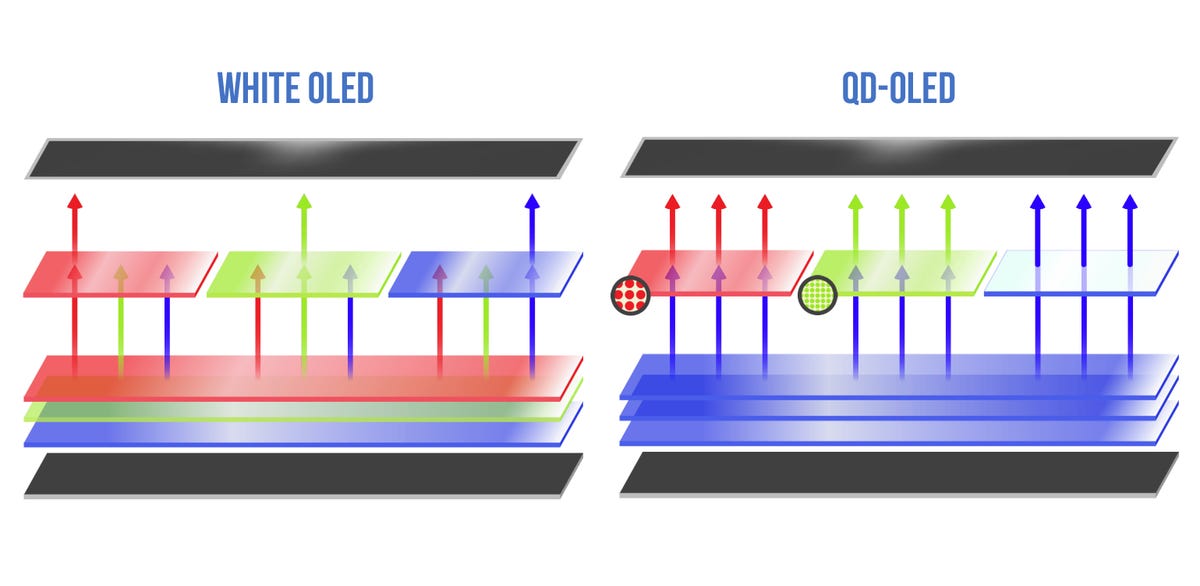
WRGB OLED adds a white pixel to the usual red, green, and blue pixels. This white pixel helps make the screen brighter. It also saves power because the white pixel uses less energy. Many popular OLED TVs use WRGB technology for deep blacks and sharp colors.
Rgb Oled
RGB OLED uses only red, green, and blue pixels. It does not have a white pixel. This allows for very pure and bright colors. RGB OLED screens can show more accurate colors. They are often used in high-end displays and professional monitors.
Qd-oled
QD-OLED blends quantum dots with OLED pixels. Quantum dots enhance color brightness and range. This technology gives richer colors and better contrast. QD-OLED screens often look more vivid and sharp. It is a newer type of OLED technology gaining popularity.
Screen Size Differences
OLED TVs come in various screen sizes to fit different spaces and needs. Choosing the right size affects your viewing experience. Smaller rooms benefit from compact screens, while larger rooms suit big displays. Each size offers unique advantages for clarity and immersion.
Compact Oled Tvs
Compact OLED TVs usually range from 48 to 55 inches. These screens fit well in bedrooms, kitchens, or small living rooms. They offer sharp images and deep colors despite their smaller size. Easy to mount on walls or place on desks. Perfect for viewers with limited space but high picture quality demands.
Large-format Oled Tvs
Large-format OLED TVs start around 65 inches and go up to 83 inches or more. These screens create a cinematic feel in big living rooms or home theaters. They deliver stunning details and wide viewing angles. Ideal for group watching and immersive entertainment. Larger screens emphasize OLED’s vibrant colors and deep blacks.
Design Styles
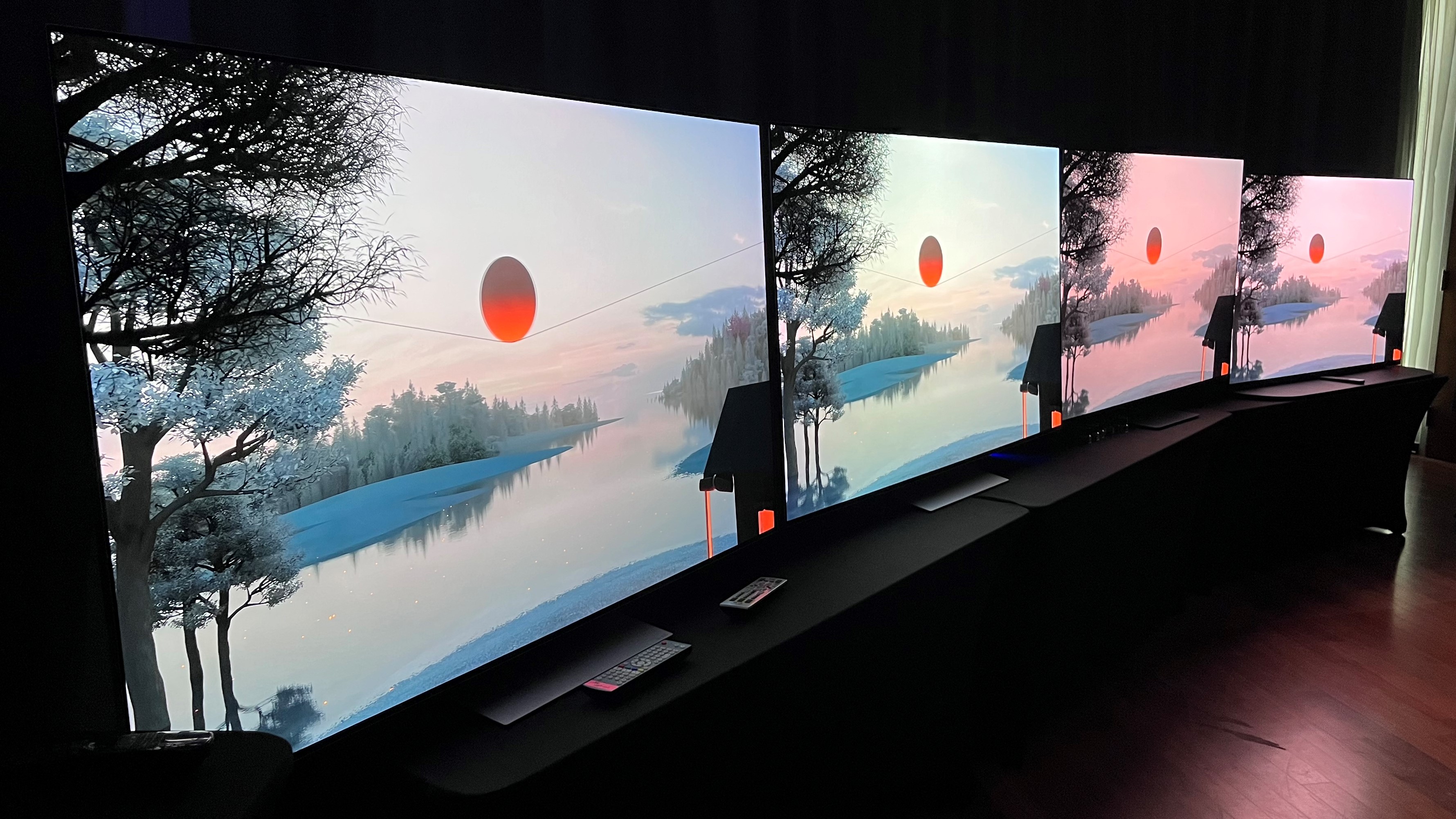
OLED TVs come in different design styles that affect how you watch and enjoy content. The design plays a key role in fitting the TV into your living space. It also changes your viewing experience. Two main styles are flat and curved OLED screens. Each has unique features and benefits.
Flat Oled Screens
Flat OLED screens have a sleek and modern look. They offer a clear and sharp picture from all angles. These screens fit easily on walls or TV stands. Flat designs are common and suit most rooms. They avoid glare and reflections better than curved screens. Many users find flat OLED TVs easy to use and versatile.
Curved Oled Screens
Curved OLED screens provide a more immersive viewing experience. The curve wraps slightly around your field of vision. It gives a feeling of depth and focus. Curved screens reduce distortion at the edges. These designs are best for wide seating areas. Some viewers feel more drawn into the action with curved TVs.
Usage Categories
OLED TVs come in various types based on their usage. Each type fits specific needs. Understanding these categories helps you pick the right OLED TV. Below are two main usage categories.
Home Entertainment Oleds
These OLED TVs are made for living rooms and home theaters. They offer bright colors and deep blacks. This creates a rich viewing experience for movies and shows. Many models support smart features and streaming apps. Their screen size ranges widely to fit different rooms. Users enjoy clear picture quality and smooth motion. These TVs are easy to set up and use daily.
Professional Oled Displays
These OLED screens serve professionals like designers and filmmakers. They deliver very accurate colors and high resolution. This precision helps in editing photos and videos. The displays often support wide color ranges and high brightness. They come in various sizes, from desktop monitors to large panels. These OLEDs are built for long hours of work with minimal eye strain. Their price is usually higher due to advanced features.
Performance Features
Performance features define how well an OLED TV displays images and videos. These features affect picture quality, smoothness, and color accuracy. Understanding these helps you choose the right OLED TV for your needs.
Different OLED TVs offer various performance options. Some focus on fast motion, while others emphasize color depth and brightness. Let’s explore key performance features found in many OLED TVs.
High Refresh Rate Oleds
High refresh rate OLEDs show more frames per second. This creates smoother motion on the screen. It is especially useful for watching sports and action movies. Gamers benefit from less motion blur and faster response times. Common rates include 120Hz, which doubles the standard 60Hz.
These TVs reduce screen tearing and make fast scenes clear. The image stays sharp even during quick movements. High refresh rates improve the overall viewing experience.
Hdr Support In Oleds
HDR means High Dynamic Range. It enhances the contrast between dark and bright areas. OLEDs with HDR support show more details in shadows and highlights. This makes the image appear more lifelike and vibrant.
Popular HDR formats include HDR10, Dolby Vision, and HLG. Each format offers different levels of brightness and color accuracy. HDR support is essential for enjoying modern movies and shows. It brings out the best picture quality on OLED screens.
Frequently Asked Questions
What Are The Main Types Of Oled Tvs Available?
OLED TVs mainly include WRGB OLED, RGB OLED, and Transparent OLED types. WRGB OLED uses white subpixels for colors, while RGB OLED uses red, green, and blue subpixels. Transparent OLEDs offer see-through displays for special applications.
How Does Wrgb Oled Differ From Rgb Oled Tvs?
WRGB OLED adds a white subpixel to the standard RGB, improving brightness. RGB OLED has separate red, green, and blue pixels for more vivid colors. WRGB is more common in consumer TVs, while RGB is often experimental.
Are There Size Differences Among Oled Tv Types?
Yes, OLED TVs come in various sizes, typically ranging from 48 to 83 inches. Larger sizes usually use WRGB OLED technology. Smaller or specialty sizes may use different OLED types like flexible or transparent OLED.
What Benefits Do Transparent Oled Tvs Offer?
Transparent OLED TVs let you see images and the background simultaneously. They are great for advertising and futuristic home designs. These TVs are less common and usually more expensive.
Which Oled Tv Type Is Best For Gaming And Movies?
WRGB OLED TVs are popular for gaming and movies due to bright images and deep blacks. They offer fast response times and wide viewing angles. This type ensures a smooth and immersive experience.
Conclusion
Choosing the right OLED TV depends on your needs and budget. Different types offer unique features and picture quality. Understanding these helps you pick the best option. OLED TVs deliver sharp images and deep blacks. They enhance your viewing experience, whether for movies or games.
Keep these points in mind when selecting your next TV. Enjoy clear, vibrant visuals with the perfect OLED model.