
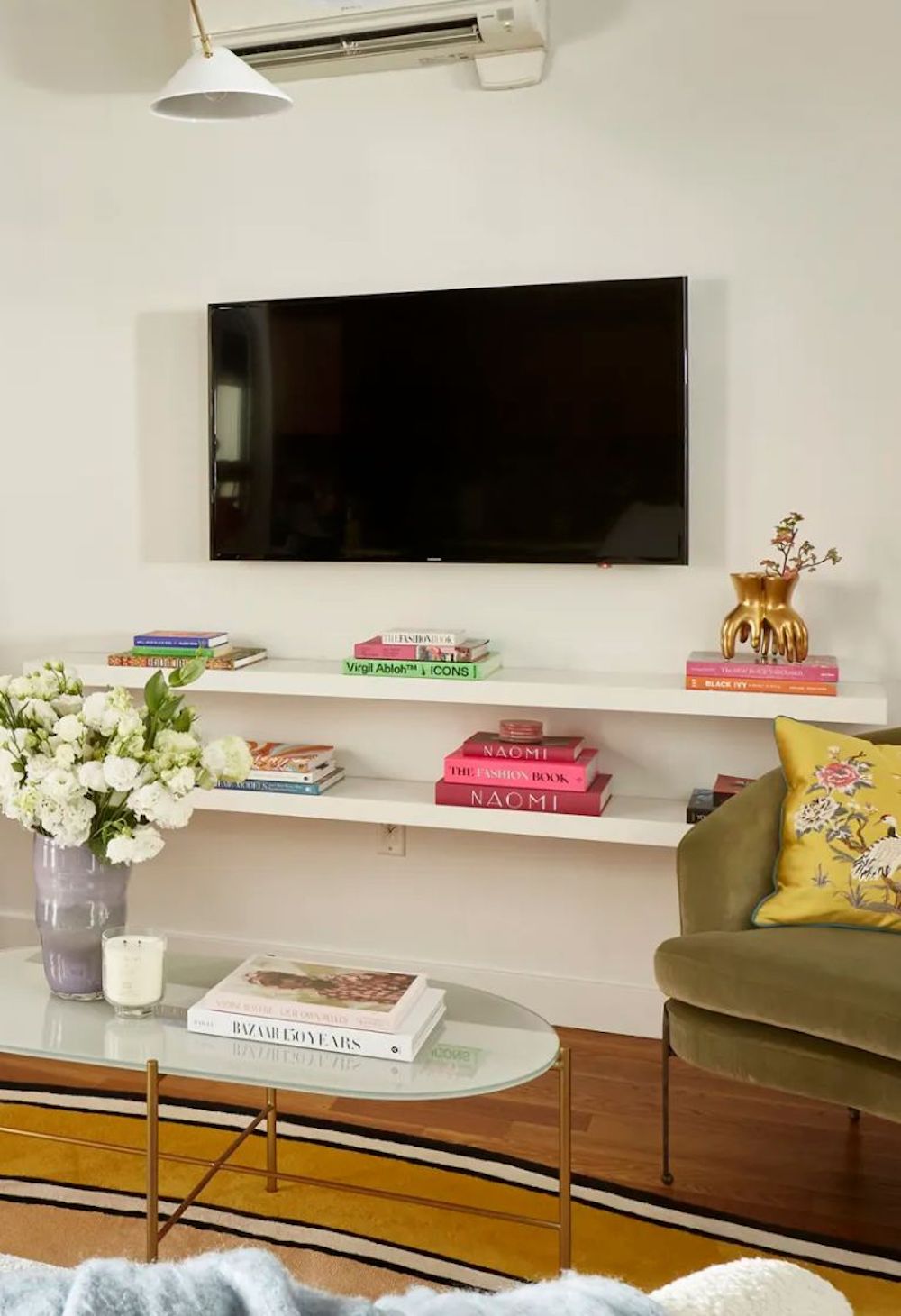
You can use a low dresser, sideboard, console table, or bookshelf as a TV stand as long as it’s wide, sturdy, and deep enough for the TV base. A wall-mounted TV with a floating shelf underneath is another clean option, and for renters, a floor TV stand or rolling cart works well with no drilling. Whatever you choose, make sure the TV’s weight is fully supported, there’s no overhang, and the setup won’t tip—especially if you have kids or pets.
Furniture Alternatives
Furniture alternatives offer stylish and practical options to replace a traditional TV stand. These pieces provide storage and display space while supporting your television securely. Choosing the right furniture can enhance your room’s look and save money. Below are some popular furniture types that work well as TV stands.
Dressers And Buffets
Dressers and buffets provide ample surface area and storage. Their sturdy tops can hold TVs of various sizes safely. Drawers and cabinets store media devices, remotes, and cables neatly. These pieces come in many styles, fitting both modern and classic decor. Using a dresser or buffet adds charm and function to your living space.
Console Tables And Cabinets
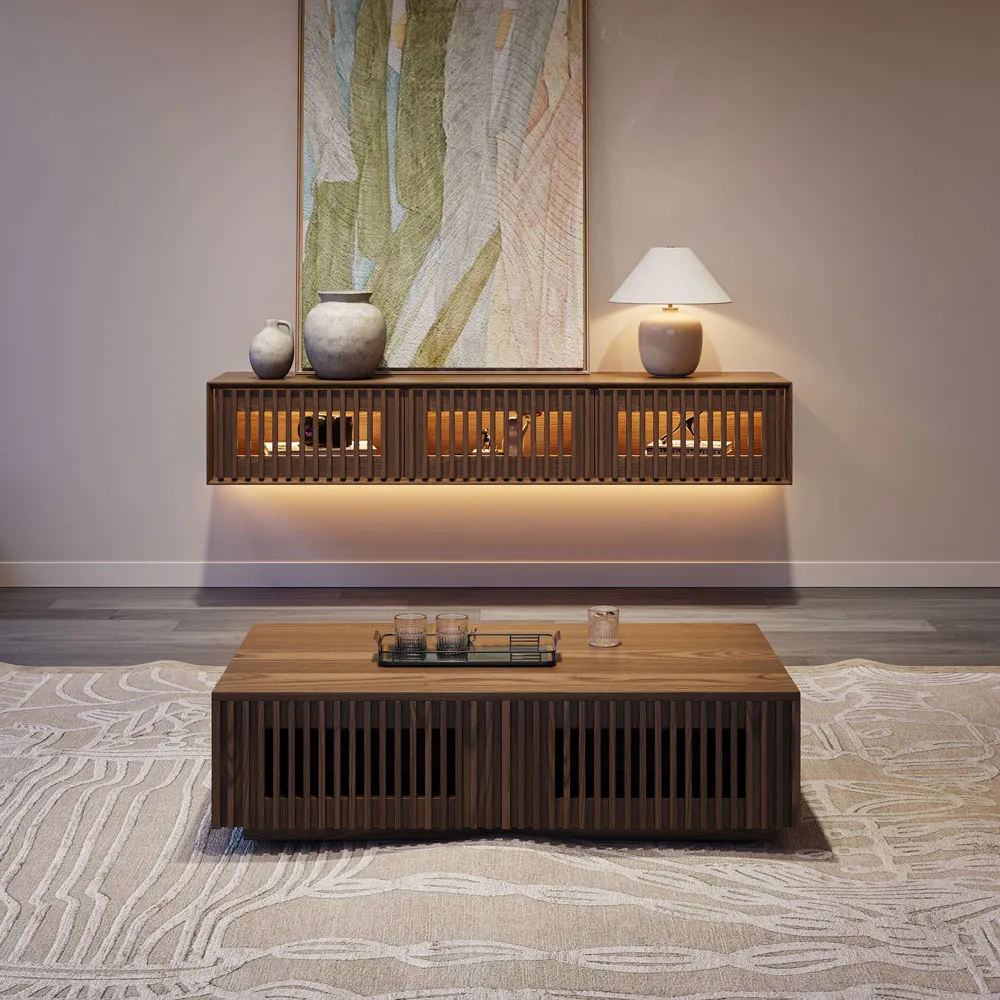
Console tables and cabinets offer sleek, narrow options for smaller rooms. Their open or closed storage helps organize electronics and accessories. Many consoles have cable management features to hide wires. These furniture pieces blend well with different decor styles. They create a neat and stylish setup for your TV.
Benches And Ottomans
Benches and ottomans provide a casual, versatile base for your TV. Choose sturdy, flat-topped designs for stable support. Some ottomans offer hidden storage inside for blankets or media. Benches with solid surfaces work well in open layouts. These options add a cozy and functional touch to your room.
Credit: curatedinterior.com
Diy Tv Stand Ideas
DIY TV stand ideas offer creative and affordable ways to support your television. These options use simple materials you may already have. They also add a personal touch to your living space. Building your own stand can be fun and practical. Plus, it allows you to customize the size and style to fit your needs perfectly.
Using Cinder Blocks And Wood
Cinder blocks and wooden planks create a strong, rustic TV stand. Stack two or three cinder blocks on each side. Lay thick wooden boards across them. This design holds heavy TVs safely. Paint or stain the wood for a polished look. You can adjust the height by changing the number of blocks. This setup is budget-friendly and easy to build.
Stacking Wooden Crates
Wooden crates make a stylish and functional TV stand. Stack crates horizontally or vertically to fit your space. Secure them with screws or brackets for stability. Use the inside of crates to store DVDs, books, or remotes. This idea adds storage and character to the room. Sand and paint the crates to match your décor.
Repurposed Moving Boxes
Strong moving boxes can serve as temporary or budget TV stands. Reinforce boxes with extra cardboard or wooden panels inside. Cover them with fabric or decorative paper for a neat look. Arrange boxes in a way that supports your TV’s weight evenly. This option works well if you need a quick solution. It’s lightweight and easy to move around.
Temporary Floor Solutions
Temporary floor solutions offer a quick way to place your TV without a stand. These options work best for short-term use or when you lack furniture suitable for a TV. They keep your TV off the ground and help avoid scratches or damage to the screen. Simple items from around the house can serve this purpose effectively.
Folded Towels Or Foam Mats
Folded towels provide a soft base to rest your TV on the floor. They help absorb shocks and prevent scratches on both the TV and the floor. Foam mats are another good choice. These mats add cushioning and create a stable surface. Use enough towels or mats to keep the TV level and balanced. Avoid stacking too few or too many, as this can cause instability.
Ensuring Stability And Safety
Stability is key when using floor solutions for your TV. Place the TV on a flat, even spot to avoid tipping. Keep the TV away from edges where it can fall. Check that the towels or mats do not slip or slide on the floor. Use anti-tip straps or secure the TV to a wall nearby if possible. Keep children and pets away from the area to prevent accidents.
Wall-mounted Options Without Studs
Mounting a TV on the wall without using studs is possible with several smart options. These solutions provide a clean, modern look without the need to locate studs behind drywall. They work well for lighter TVs and avoid drilling into structural supports.
Careful selection is important to ensure safety and stability. Some methods use special anchors or adhesives designed for drywall. Others involve creative shelving ideas that hold the TV securely without studs.
No-stud Tv Mounts
No-stud TV mounts use strong anchors that grip drywall firmly. They spread the weight over a larger area to prevent damage. These mounts fit smaller TVs and usually come with detailed instructions. Perfect for renters or those who cannot drill into studs.
Anchor Bolts For Drywall
Anchor bolts provide extra support by expanding behind drywall. They create a strong hold without reaching a stud. Choose anchors rated for the TV’s weight for safety. Installation requires careful drilling and insertion to avoid wall damage.
Adhesive Brackets
Adhesive brackets stick directly to the wall surface. They work best on smooth, clean walls and support lightweight TVs. These brackets avoid drilling completely and are quick to install. Check manufacturer weight limits before use to prevent falls.
Floating Shelves
Floating shelves offer a stylish platform for TVs without using studs. Mount shelves with heavy-duty drywall anchors or toggle bolts. Shelves also hold accessories like remotes and consoles. Ensure shelves are deep and strong enough to hold the TV base safely.
Custom Shelves With Brackets And Plywood
Custom shelves made from plywood and metal brackets create sturdy supports. Use multiple drywall anchors to spread the weight evenly. This option allows tailored sizes and finishes to match room decor. Proper installation keeps the TV secure without stud use.
Securing Your Tv
Securing your TV is crucial when you use alternatives to a traditional TV stand. Without proper support, your TV can easily tip over, causing damage or injury. Many alternative setups do not offer the same stability as a dedicated stand. Safety measures help keep your TV steady and protect your family and pets. Use simple tools to prevent accidents and ensure your TV stays in place.
Anti-tip Straps
Anti-tip straps are a simple and effective way to secure your TV. These straps attach the TV to the wall or furniture behind it. They reduce the risk of the TV falling forward. Install them by fixing one end to the TV and the other to a solid surface. They work well with dressers, consoles, or any alternative furniture. Anti-tip straps are affordable and easy to install.
Adhesive Strips For Extra Grip
Adhesive strips add extra grip between your TV and its surface. They help prevent slipping and sliding on smooth or slippery furniture. Use heavy-duty, double-sided adhesive strips for best results. Place the strips under the TV base or legs to hold it firmly. Adhesive strips are a good choice for lightweight TVs. They are not a replacement for straps but add extra security.
Credit: www.povison.com
Safety Tips
Choosing an alternative to a traditional TV stand requires careful attention to safety. TVs can be heavy and unstable on some surfaces. Taking safety precautions reduces risks of accidents and damage. This is important especially in homes with children and pets.
Child And Pet Safety
Children and pets can easily knock over a TV placed on unstable furniture. Secure the TV using anti-tip straps or brackets. Choose a surface that is wide and strong enough to hold the TV’s weight. Avoid placing the TV on high or narrow furniture that can tip over. Keep cords out of reach to prevent tripping or pulling. Regularly check the stability of the setup to ensure safety.
Preventing Accidents And Injuries
Place the TV on low furniture to reduce the risk of falls. Avoid using items like boxes or unstable crates as permanent stands. Use materials designed to bear heavy loads for DIY stands. Ensure the TV base is centered and supported evenly. Always test the setup by gently pushing to check for wobbling. Clear the area around the TV to avoid tripping hazards. Proper placement and securing methods help prevent injuries and accidents.
Conclusion
Choosing an alternative to a TV stand can be simple and budget-friendly. Use sturdy furniture like dressers or consoles to hold your TV safely. DIY options such as cinder blocks with wooden planks can create a strong base. For short-term setups, folded towels or foam mats offer quick support but lack stability.
Wall mounts without studs or adhesive brackets work for lighter TVs and save space. Always secure your TV properly to avoid accidents. Explore these options to find the best fit for your room and style.