
An amplified outdoor TV antenna isn’t automatically better than a non-amplified one—it depends on your signal conditions. Amplified antennas help most when you’re far from towers, using long coax runs, or splitting the signal to multiple TVs, because the amp makes up for signal loss.
A non-amplified antenna can be the better choice in strong-signal areas, since amplification can boost noise and overload the tuner, causing dropouts. In general, start with the best outdoor antenna placement first, then add an amp only if you truly need it.
Amplified Outdoor Antennas
Amplified outdoor antennas improve TV signal strength for better picture quality. They include a built-in amplifier that boosts weak signals. This helps in areas far from broadcast towers or with many obstacles. Amplified antennas often provide more channels and clearer reception.
Choosing the right amplified antenna depends on your location and signal needs. These antennas work best when you face signal loss due to distance or interference. Understanding how amplification works can help you decide if this antenna suits your home.
How Amplification Works
The amplifier inside the antenna increases the power of incoming signals. It makes weak signals stronger before they reach your TV. This process helps reduce signal loss from long cable runs or poor weather. The amplifier uses electricity to boost signal strength.
Benefits Of Amplified Antennas
Amplified antennas offer clearer and more stable TV reception. They help capture distant channels that non-amplified antennas miss. These antennas reduce static and signal dropouts. Amplified models support longer cable lengths without losing quality.
Common Use Cases
People living far from broadcast towers often choose amplified antennas. They are useful in areas with many trees or buildings blocking signals. Amplified antennas suit large homes needing long cable runs. They also work well for campers or remote cabins.
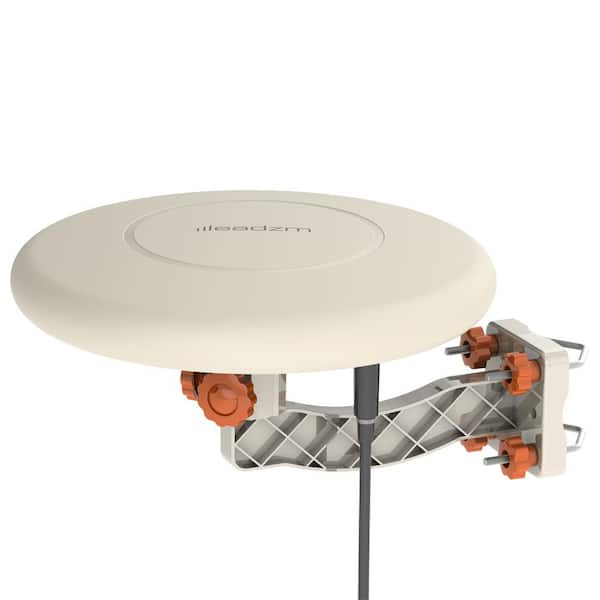
Credit: www.homedepot.com
Non Amplified Outdoor Antennas
Non amplified outdoor antennas offer a straightforward way to receive TV signals. They do not boost or increase the signal strength. Instead, they capture the signals directly from the broadcast tower. This simplicity makes them a popular choice for many users.
Basic Functionality
Non amplified antennas work by catching TV signals from the air. They rely on the natural strength of the signal. No extra power or electronics are used to increase the signal. The antenna’s shape and size help in capturing the signals well.
Advantages Of Non Amplified Models
These antennas are easy to install and maintain. They do not require power, so no cables or plugs are needed. They are less likely to cause signal noise or interference. Non amplified models often last longer because they have fewer parts.
Ideal Scenarios For Use
Non amplified antennas work best in areas close to broadcast towers. They suit places where signals are strong and clear. They are perfect for users who want a simple, low-cost solution. Also, they are good for homes with many devices that might cause interference.
Signal Strength And Quality
Signal strength and quality are key factors for outdoor TV antennas. They decide how clear and stable your TV picture will be. A strong, clean signal means better viewing without interruptions or fuzziness. Different antennas handle signals in various ways, especially amplified and non-amplified types.
Impact Of Amplification On Signal
Amplified antennas boost weak signals. This helps in areas far from broadcast towers. The amplifier strengthens the signal before it reaches your TV. This often improves picture quality and reduces dropouts. Amplification can extend the antenna’s range effectively.
Non-amplified antennas rely solely on their design and position. They do not add extra power to the signal. These antennas work best near broadcast towers. They can provide clear signals without extra noise from amplification.
Potential Signal Distortions
Amplifiers can sometimes increase noise along with the signal. This may cause static or ghosting on the screen. Over-amplification might distort strong signals, lowering picture quality. Proper placement and quality of the amplifier are important.
Non-amplified antennas avoid this issue since they do not boost the signal. The signal remains pure but might be weaker if far from the source. This can lead to pixelation or signal loss during bad weather.
Handling Weak Vs Strong Signals
Amplified antennas excel in weak signal areas. They pull in faint signals and make them viewable. This is useful for rural or obstructed locations. In strong signal areas, amplification can overload the TV tuner.
Non-amplified antennas perform well with strong signals. They provide a clean signal without extra noise. In weak signal zones, they might struggle to deliver a stable picture. Choosing the right antenna depends on your location and signal strength.
Installation And Maintenance
Installation and maintenance are key factors when choosing an outdoor TV antenna. They affect how easy the antenna is to set up and keep working well over time. Both amplified and non-amplified antennas have different needs in these areas.
Setup Complexity
Non-amplified antennas are simple to install. They need fewer parts and no power source. Just mount the antenna, point it toward the signal, and connect the cable. Amplified antennas require extra steps. You must connect a power supply to the amplifier. The amplifier also needs proper placement for best signal boost. This adds time and care during setup.
Durability And Weather Resistance
Both antenna types must withstand outdoor weather. Most outdoor antennas have strong materials to resist rain, wind, and sun. Amplified antennas have extra components like power adapters that can be sensitive to moisture. Keep these parts dry and safe. Regular checks help catch any wear or damage early.
Troubleshooting Tips
Non-amplified antennas have fewer problems. Check connections and adjust the antenna direction if the signal drops. Amplified antennas can have issues with power or the amplifier itself. Test the power supply and replace it if needed. Also, try bypassing the amplifier to see if the signal improves.
Cost And Value Comparison
Choosing between an amplified and a non-amplified outdoor TV antenna involves understanding their costs and value. This section compares their prices, long-term benefits, and how their performance matches their cost. It helps you decide which antenna fits your budget and needs best.
Price Differences
Non-amplified antennas usually cost less upfront. They have a simple design without extra parts. Amplified antennas include a built-in signal booster. This feature raises their price. Expect to pay more for amplification technology.
Long-term Investment
Amplified antennas can save money over time. They may need fewer replacements due to better signal strength. Non-amplified antennas might require upgrades in weak signal areas. Consider the cost of future repairs or replacements.
Performance Vs Cost
Amplified antennas work better in distant or blocked signal zones. Their higher price can be worth it for clear reception. Non-amplified antennas suit areas close to broadcast towers. They offer good performance at a lower cost.

Credit: www.ebay.com
Choosing The Right Antenna
Choosing the right outdoor TV antenna is important for clear and stable reception. The choice between amplified and non-amplified antennas depends on several key factors. Understanding these will help you pick the antenna that fits your needs and environment best.
Both types have benefits and drawbacks. Knowing what affects performance guides you to the best decision.
Factors To Consider
Signal strength in your area plays a big role. Amplified antennas boost weak signals. Non-amplified ones work well where signals are strong. Budget matters too. Amplified antennas usually cost more. Simple installation might favor non-amplified types. Your TV setup and cable length can also influence performance.
Location And Environment Impact
Urban areas often have stronger signals. Non-amplified antennas usually do well here. Rural areas might have weak signals. Amplified antennas help in these places. Obstacles like trees and buildings can block signals. Mounting height also affects reception. Higher placement often improves signal quality.
Personal Viewing Needs
Consider how many channels you want. If you watch local channels only, a non-amplified antenna may suffice. For distant or multiple channels, amplified antennas provide better reach. Think about future needs too. Amplified antennas offer more flexibility for upgrades.
Conclusion
Choosing between amplified and non-amplified outdoor TV antennas depends on your signal needs. Amplified antennas boost weak signals but may add noise. Non-amplified antennas work well with strong, clear signals. Consider your location and signal strength before deciding. A simple antenna might be enough in some areas.
In others, an amplifier could improve your TV experience. Think about ease of setup and cost too. Both types have pros and cons. Pick what fits your situation best for clear, reliable TV reception.